Bangkok
River or city — the choice that shapes the whole trip
The Destination
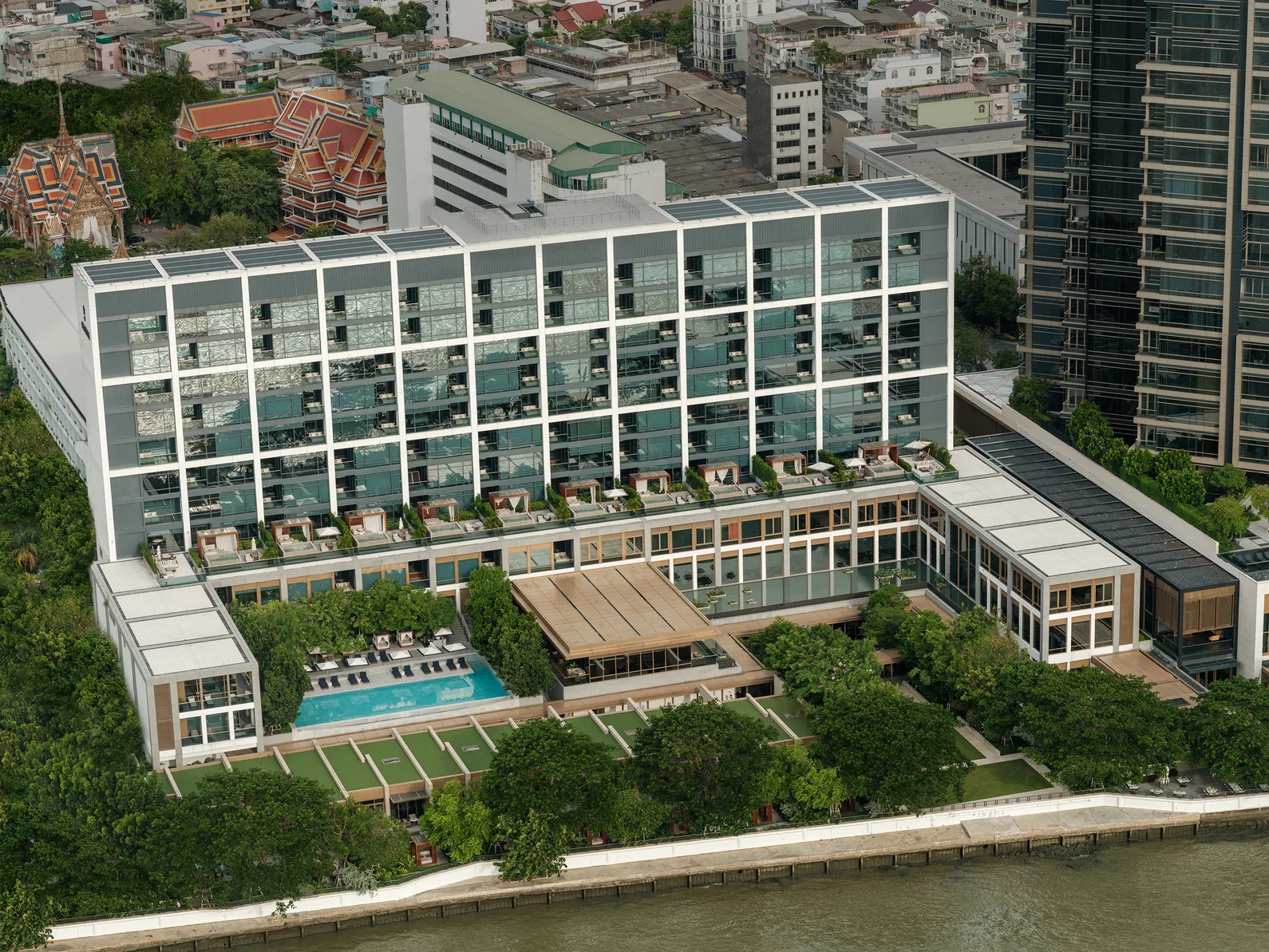
Bangkok has quietly become one of the two or three best hotel cities in the world. Mandarin Oriental has been on the Chao Phraya since 1876. Capella arrived in 2020 and was named the world's best hotel four years later. Four Seasons sits immediately alongside it, Aman opened in a heritage park in the middle of the city, and Sindhorn Kempinski put a cantilevered sky-pool over Lumpini Park. Very few cities can field this range.
The mistake people make is treating them as interchangeable five-stars and choosing on price or photos. They are not interchangeable. Bangkok is really two cities — the river and the grid — and which one you sleep in changes what the trip feels like, because the traffic between them is worse than any map suggests.
What follows is how we brief clients on it: who each house suits, where it actually sits, when to come, and how to move around a city where the roads will let you down. Four of these we have stayed in ourselves, and those write-ups are below. We book all of them at the hotel's own nightly rate, with preferred-partner benefits on top.
Where to Stay
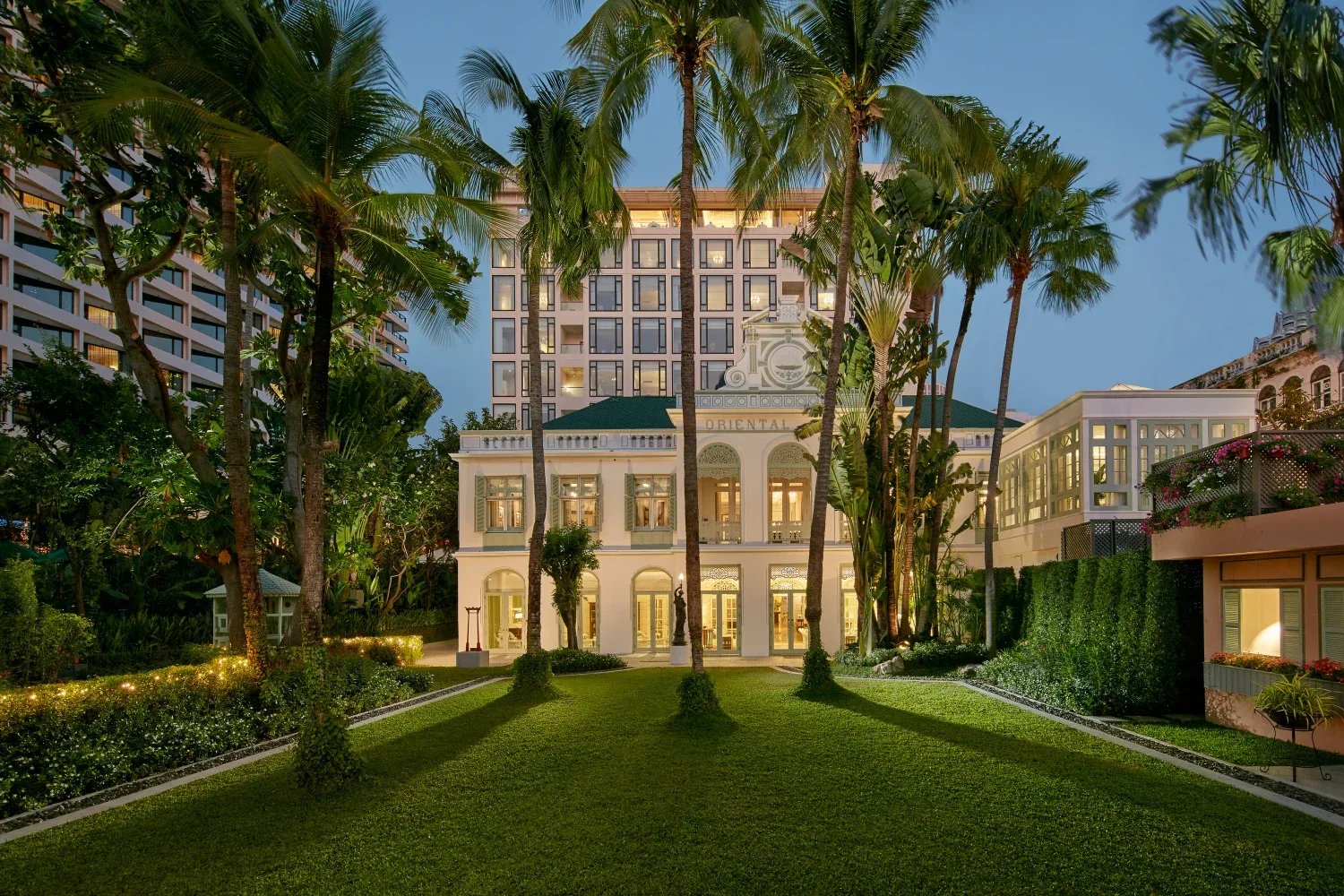
Mandarin Oriental, Bangkok
Bang Rak, on the river — the original address, open since 1876
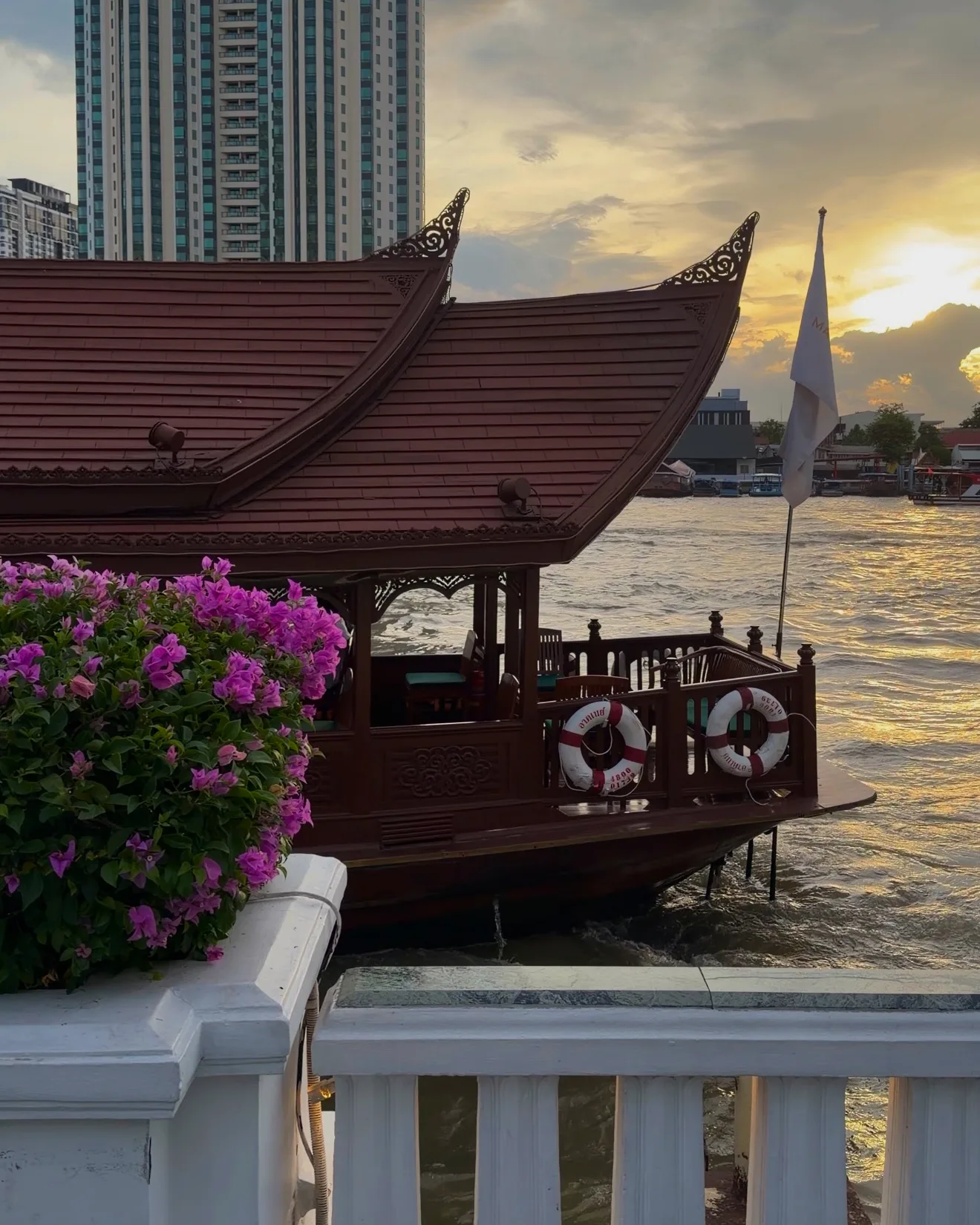
The Oriental since 1876 — 150 years on the Chao Phraya in 2026, the Authors' Lounge, two-Michelin-star Anne-Sophie Pic at Le Normandie, and a spa reached by the hotel's own boat
Capella Bangkok
Chao Phraya Estate, Yan Nawa — the quieter bank
A riverside hotel on the Chao Phraya, named the world's best hotel in 2024 and third in 2025
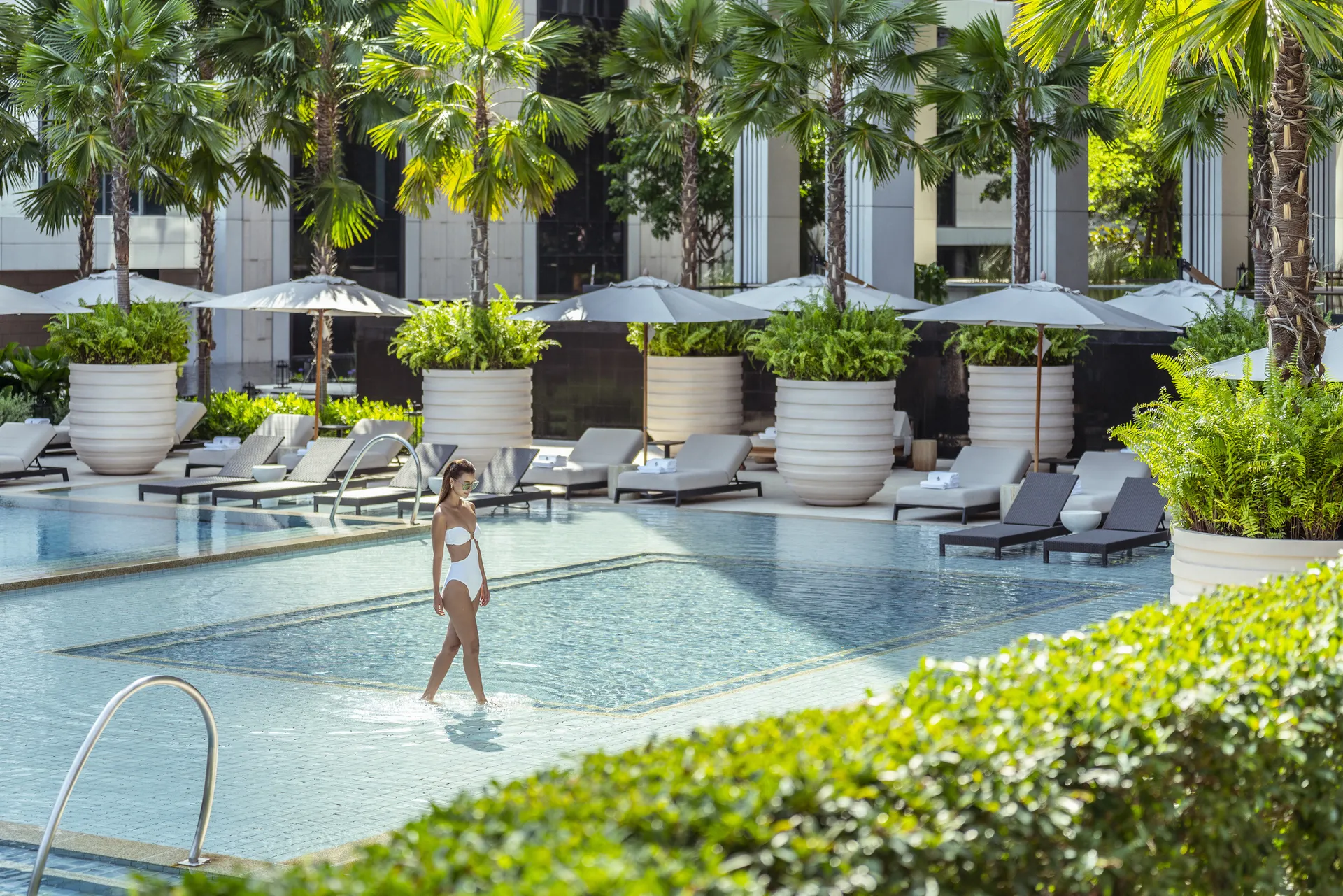
Four Seasons Hotel Bangkok at Chao Phraya River
Chao Phraya Estate, Yan Nawa — alongside Capella
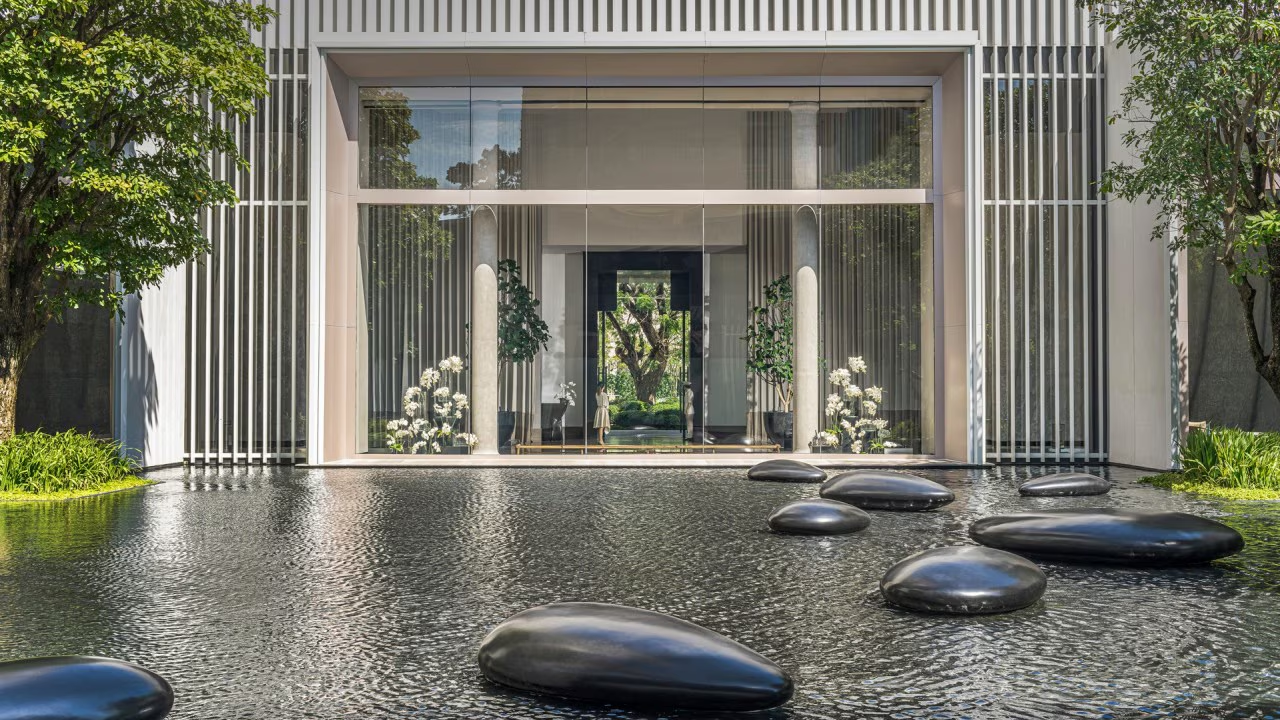
A purpose-built riverside hotel on the Chao Phraya, arranged by Jean-Michel Gathy around a courtyard of water gardens
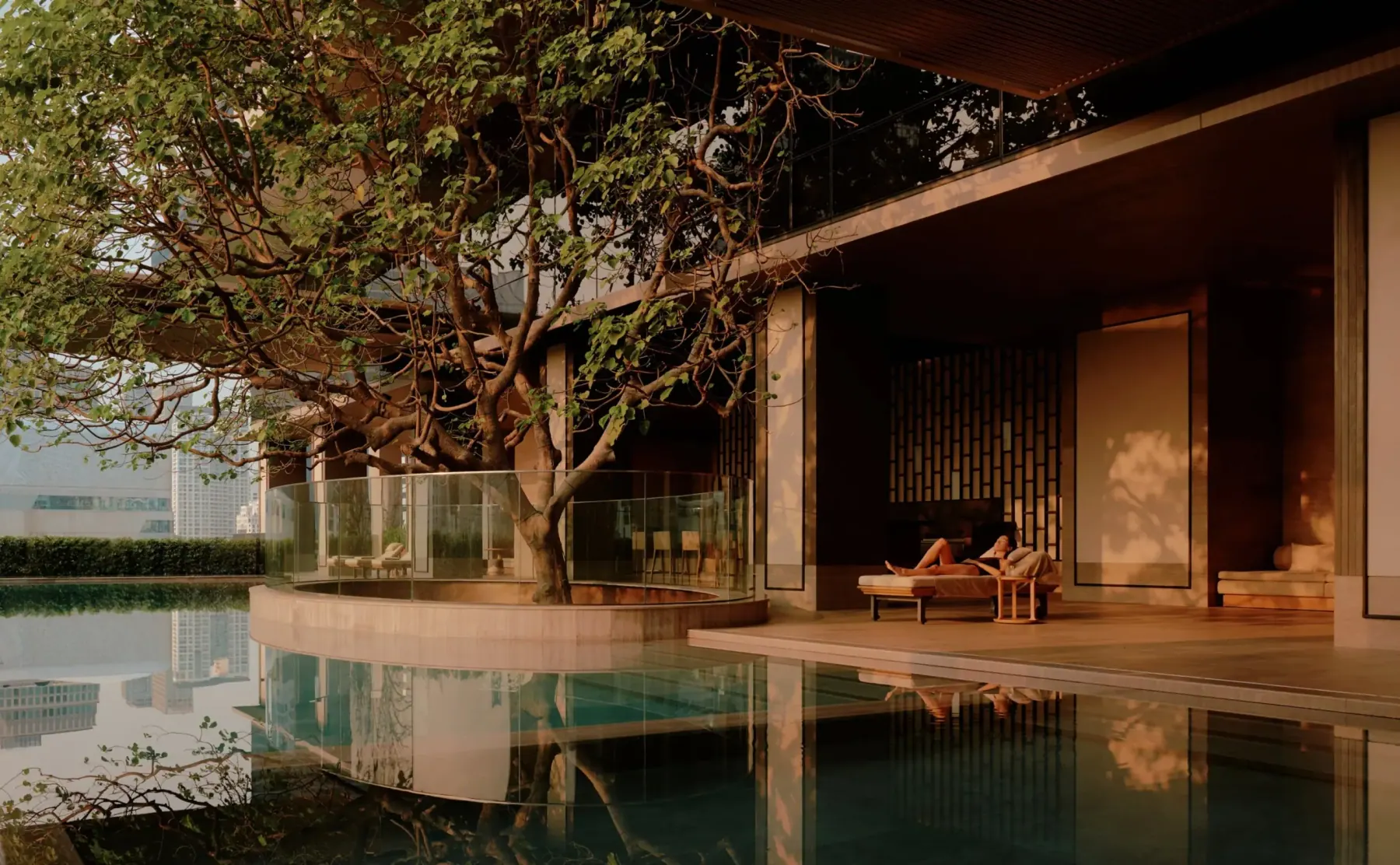
Aman Nai Lert Bangkok
Nai Lert Park, Ploenchit — in the city, not on the river
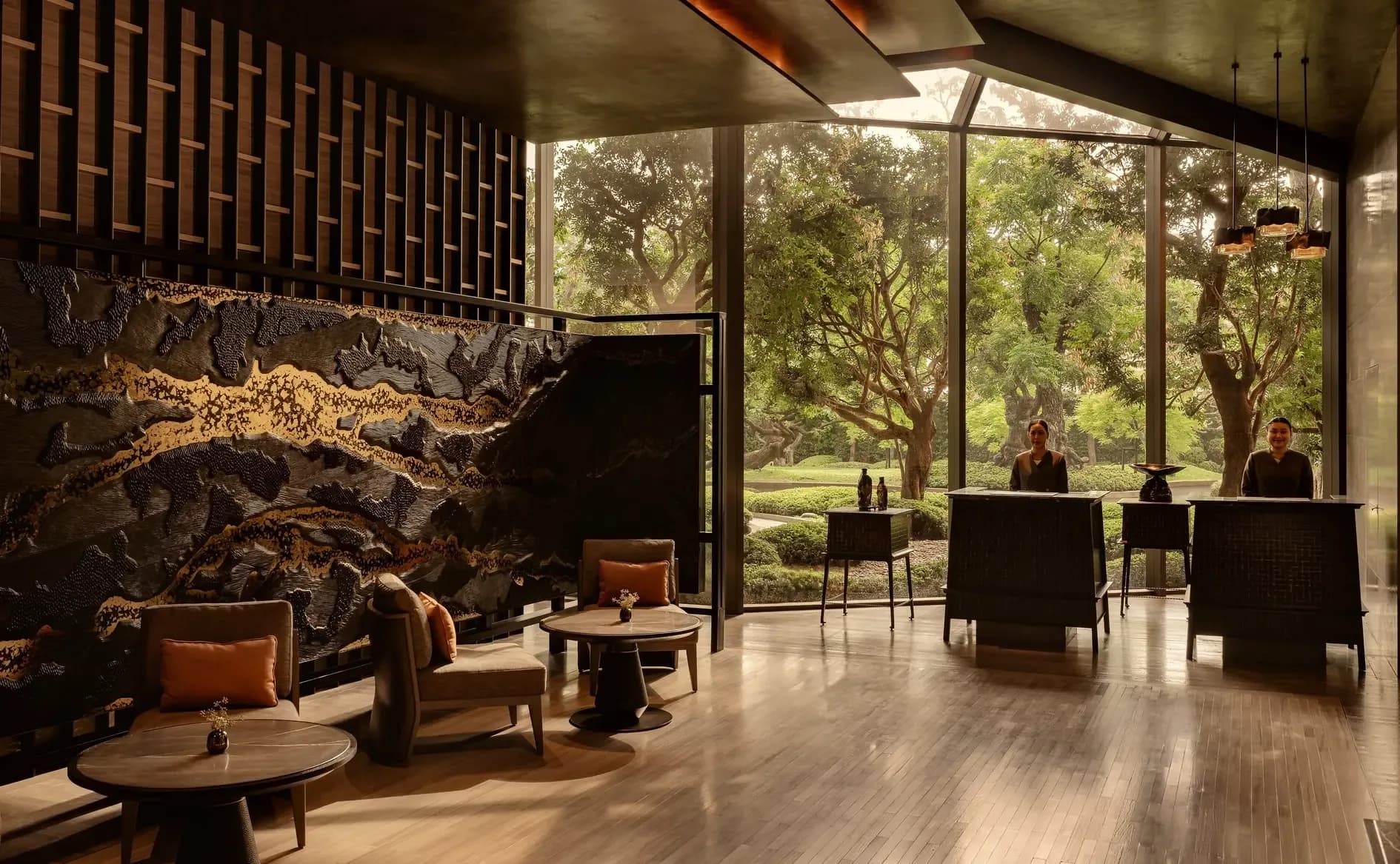
Fifty-two suites on floors 11 to 18 of a 36-storey tower above the heritage Nai Lert Park estate, with its century-old banyans and spirit shrine below
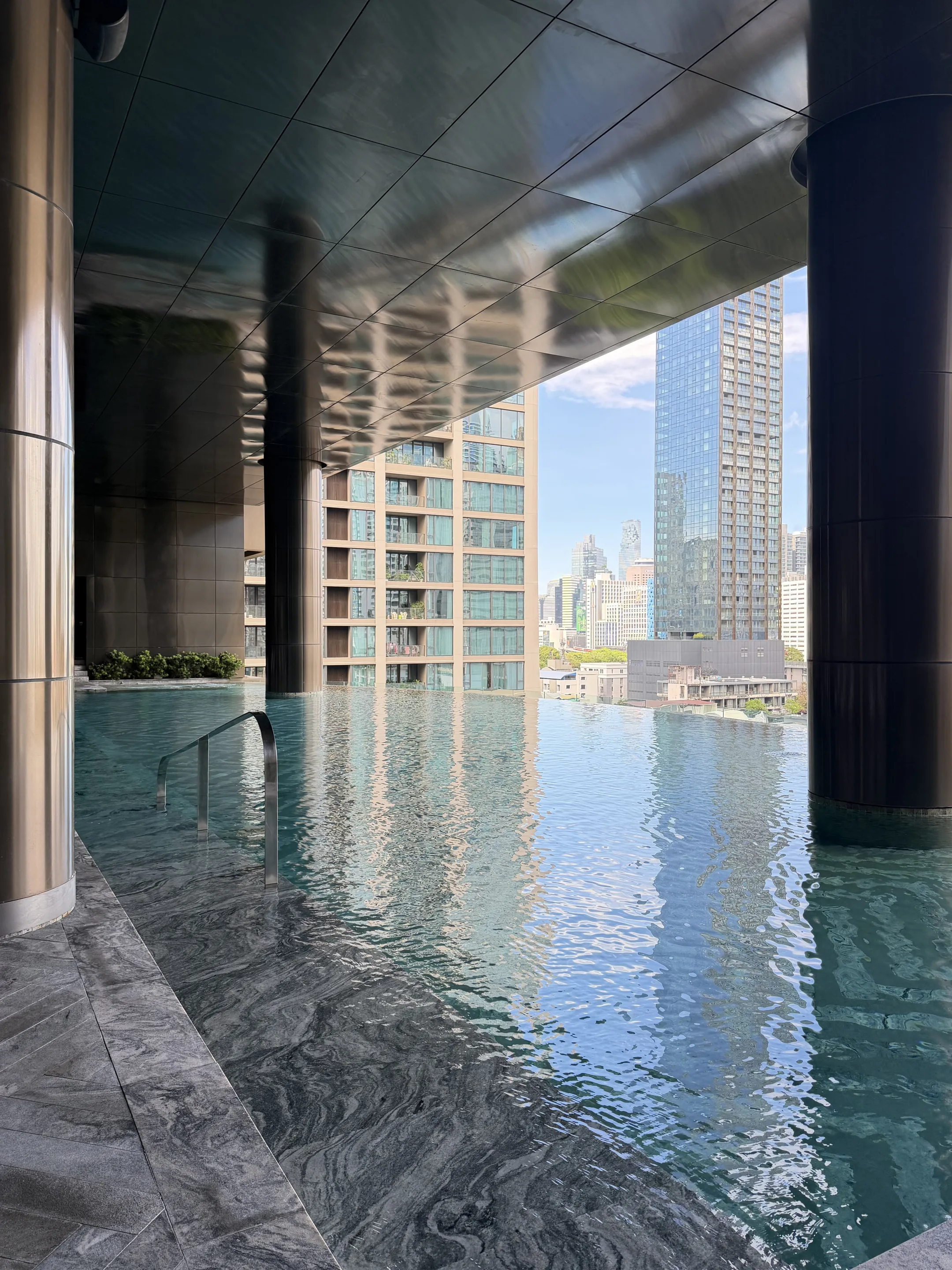
Sindhorn Kempinski Hotel Bangkok
Sindhorn Village, Langsuan — beside Lumpini Park
A green Sindhorn Village sanctuary beside Lumpini Park — dramatic raw-concrete architecture, a 25-metre cantilevered sky-pool, the Resense spa and residential-style suites with kitchens
From Our Stays
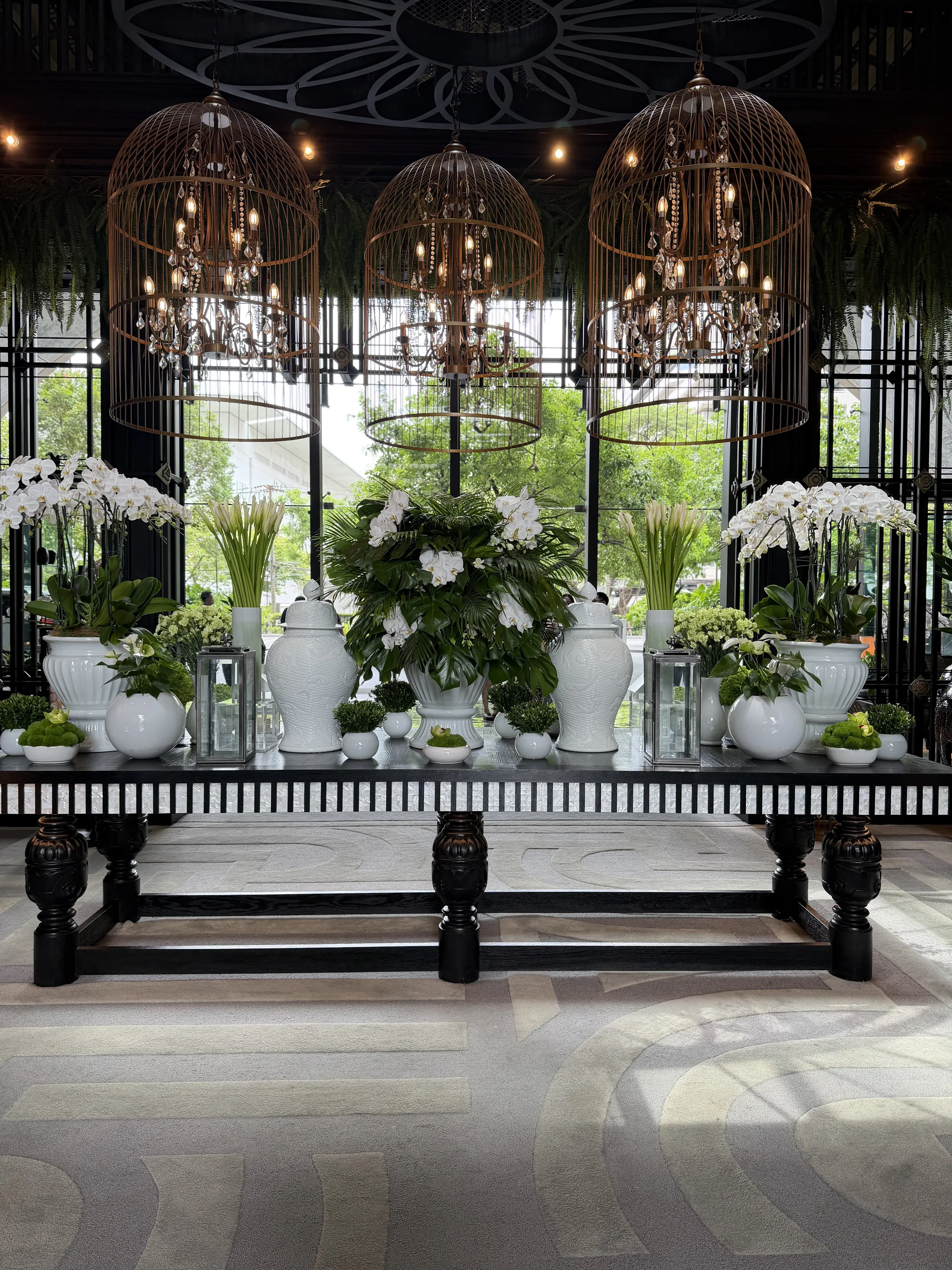
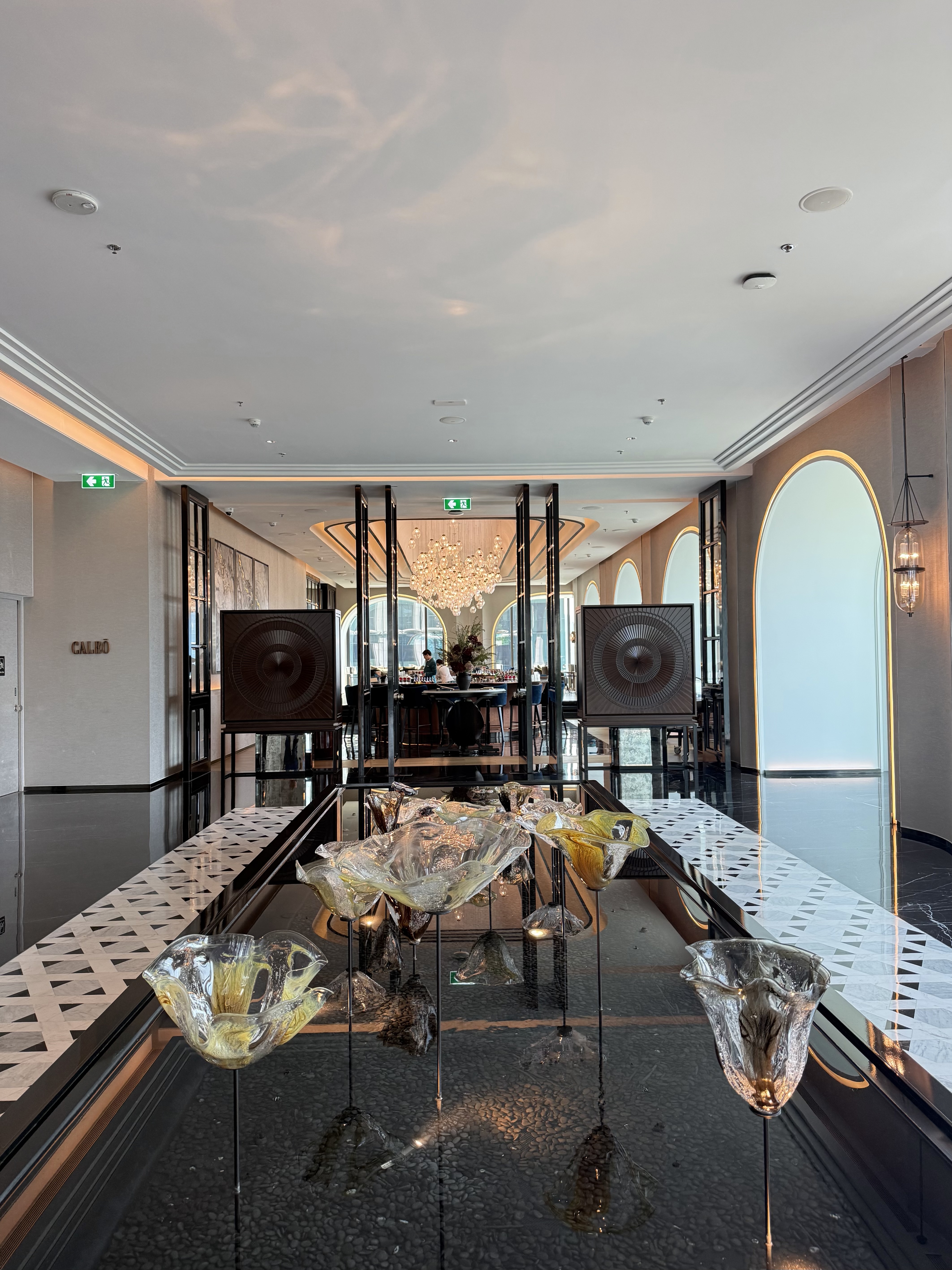
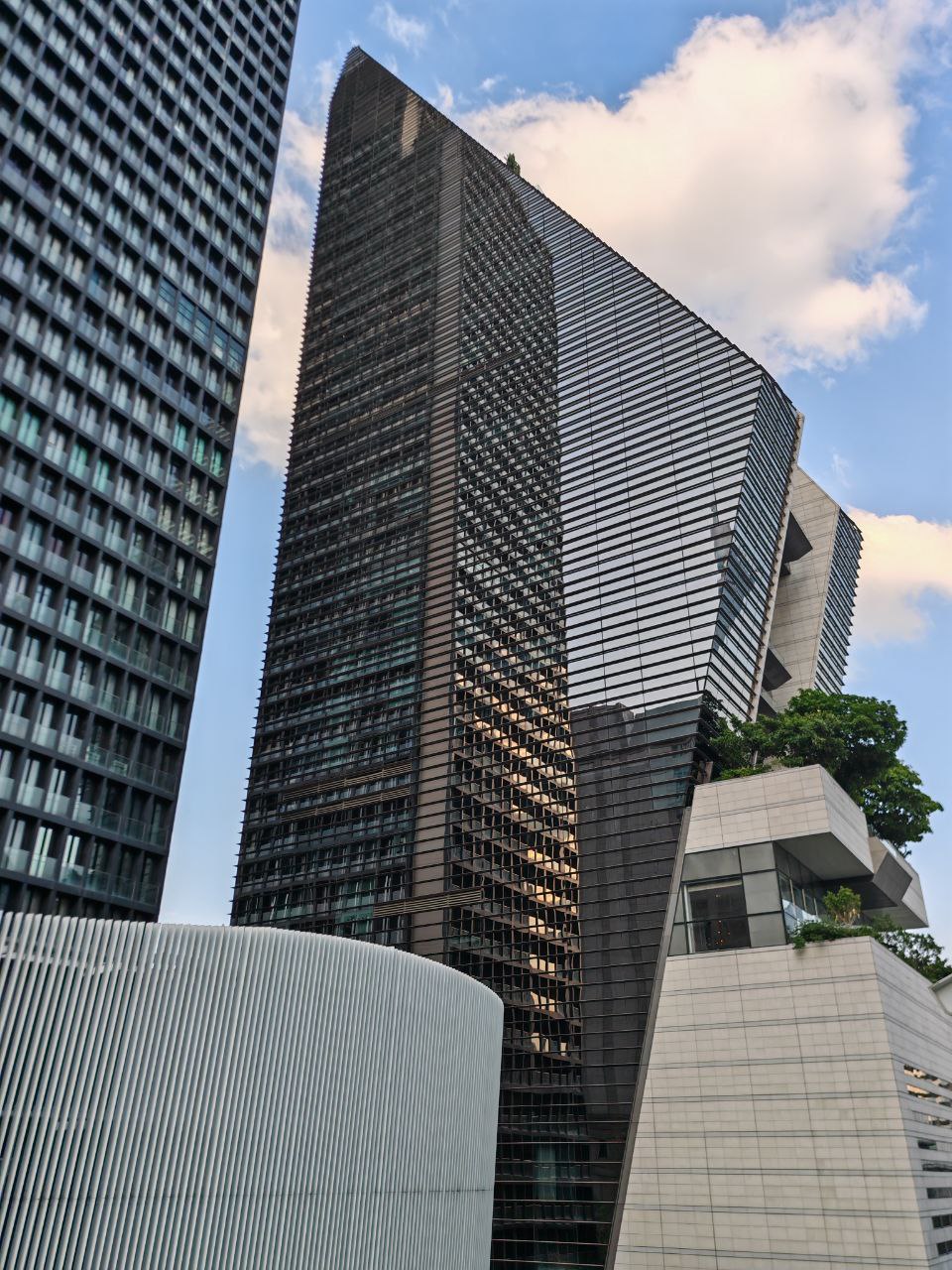
Hotels we have checked into ourselves, photographed and written up in full.
Reading the City
The Chao Phraya runs north to south through the west of the city. The old Bangkok — the Grand Palace, Wat Pho, Wat Arun — sits along it, and so do the riverside hotels. Cross east and you are into the modern grid: Sathorn and Silom for business, Ploenchit and Langsuan for the parks and the good addresses, Sukhumvit running east for the restaurants and the nightlife.
The BTS Skytrain and the MRT connect the grid and almost none of the river. That single fact drives most of the planning. From a riverside hotel, the boat is your fast route to the old town and a car is your slow route to everywhere else. From Ploenchit or Langsuan you can be on a train in five minutes and at dinner in fifteen, but the river becomes an outing rather than a view.
Neither is the right answer on its own. Splitting a longer stay between the two is the version of this trip that people come back happiest from, and it costs nothing but one hotel change.
Own a residence
Branded residences for sale in Bangkok
Aman, Four Seasons, Ritz-Carlton, Mandarin Oriental and the rest: the Bangkok homes we know first-hand, with asking prices where we hold them and the foreign-ownership rules explained.
Aman / Completed
Aman Residences, Nai Lert Bangkok
Bangkok, Thailand · 1 to 4 bed
From THB 82,500,000
Capella / Announced / Rendering
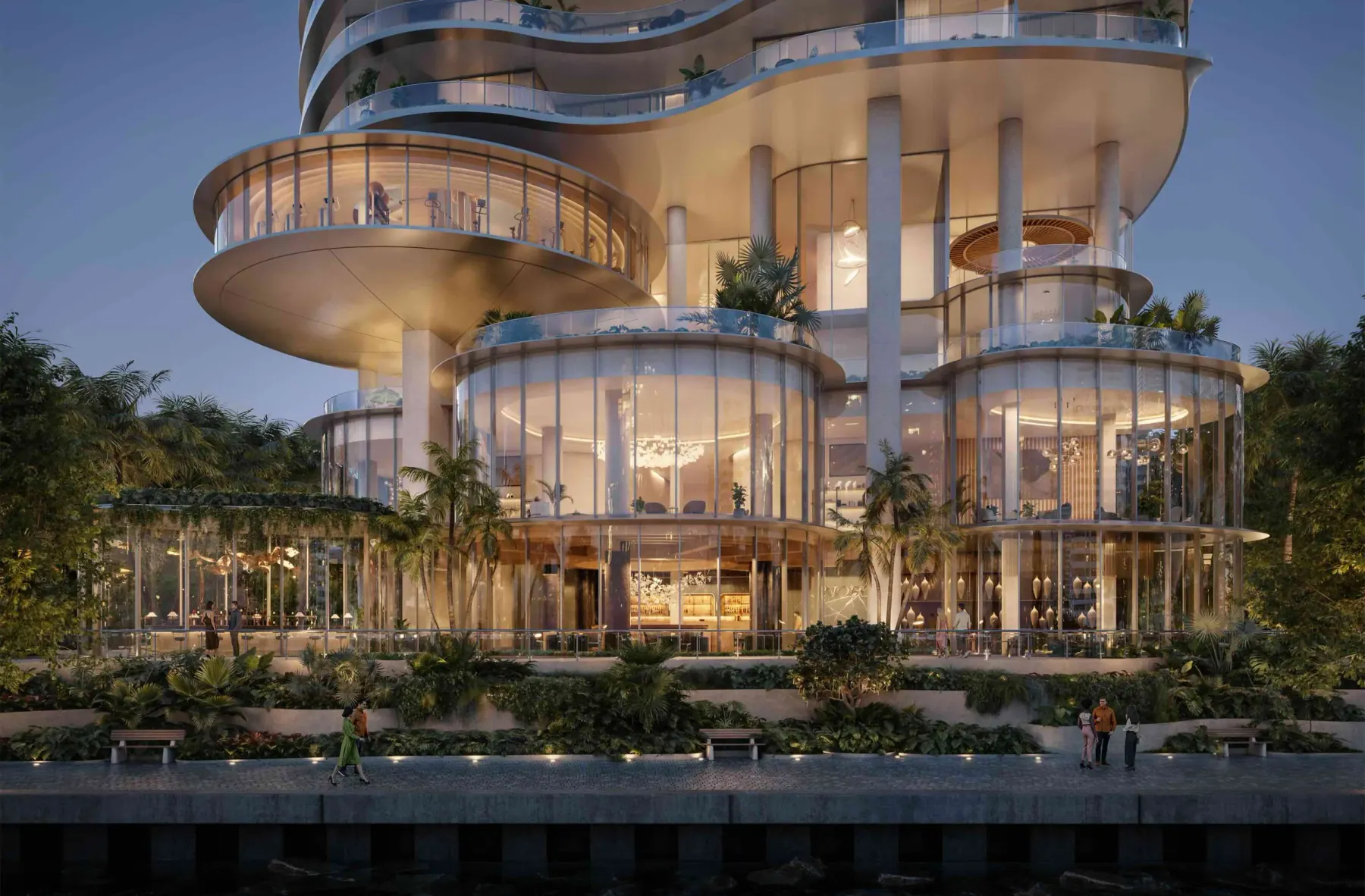
Capella Residences Bangkok at WellEra
Bangkok, Thailand
Price on request
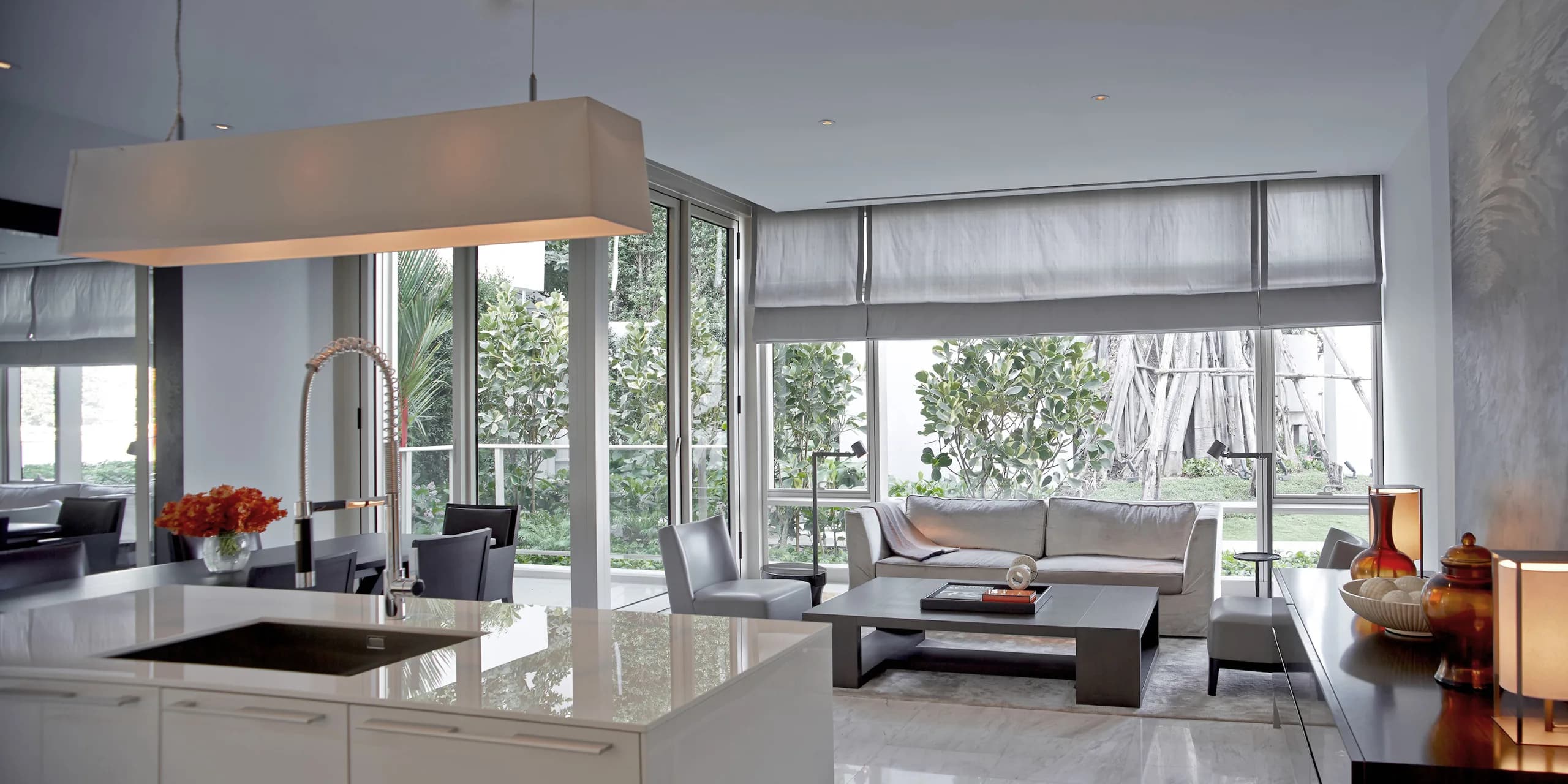
Four Seasons / Completed
Four Seasons Private Residences Bangkok at Chao Phraya River
Bangkok, Thailand · 1 to 5 bed
From THB 33,000,000
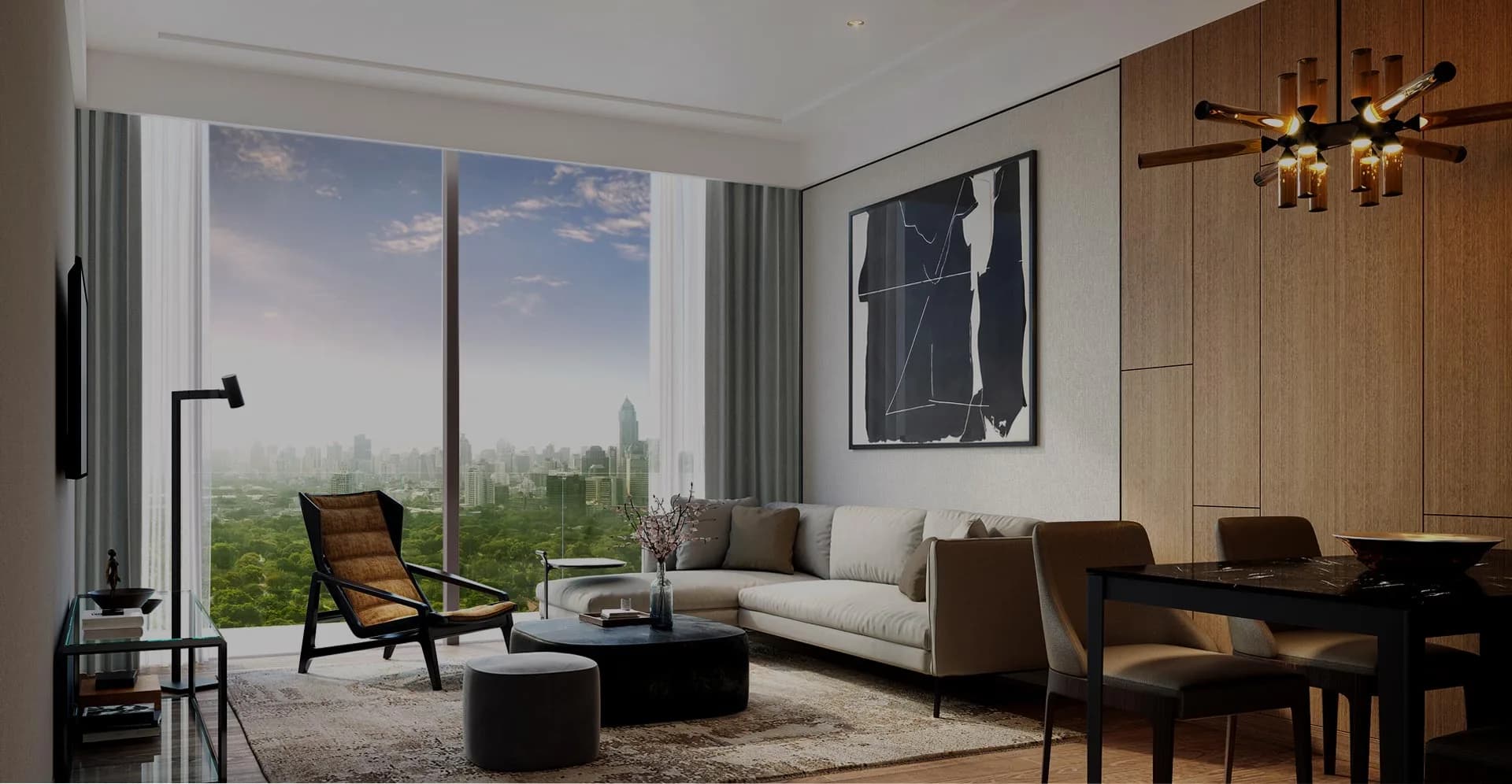
Dusit / Selling / Rendering
The Residences at Dusit Central Park
Bangkok, Thailand · 1 to 4 bed
From THB 17,630,000
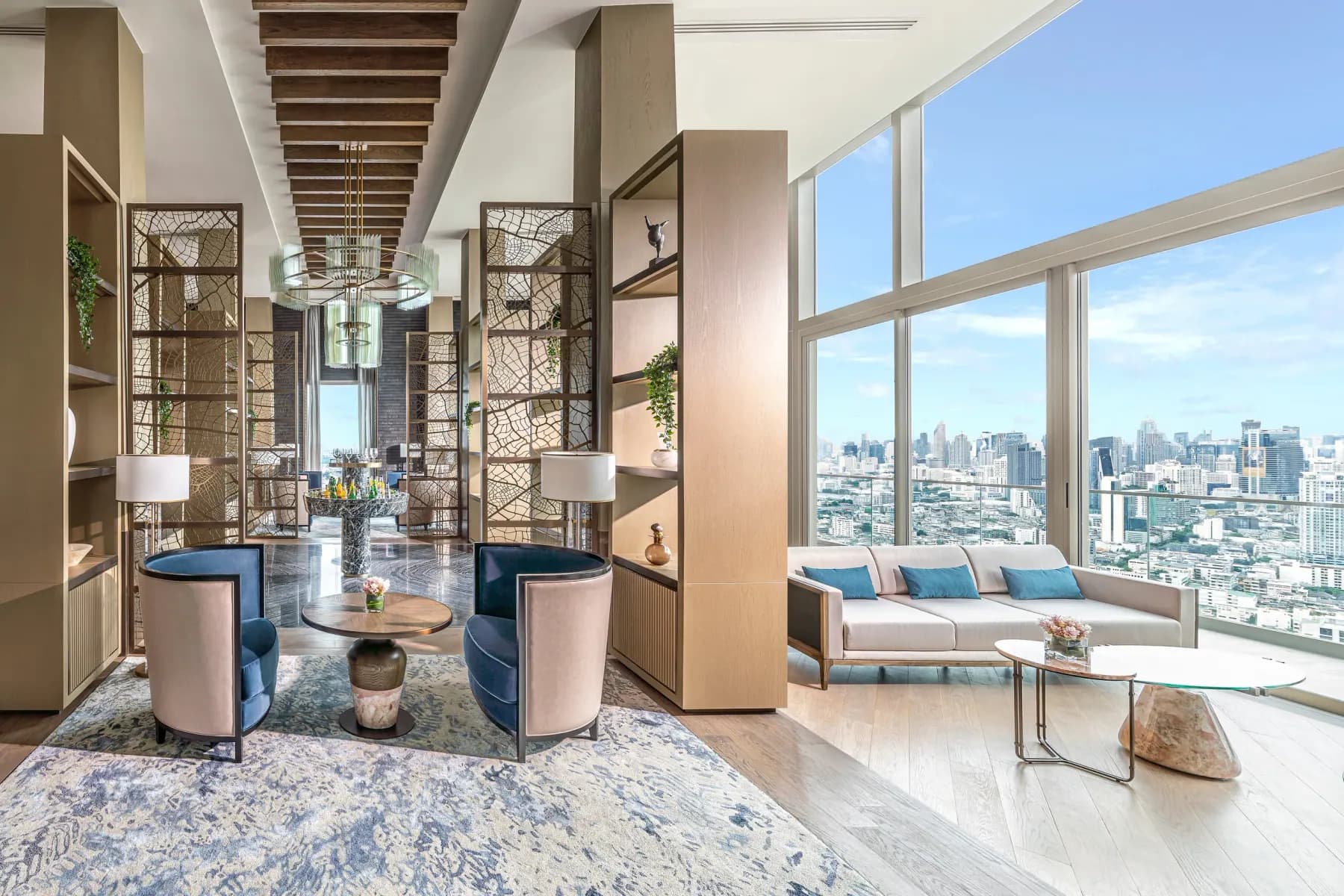
Mandarin Oriental / Resale only
The Residences at Mandarin Oriental, Bangkok
Bangkok, Thailand · 2 bed
From THB 69,500,000
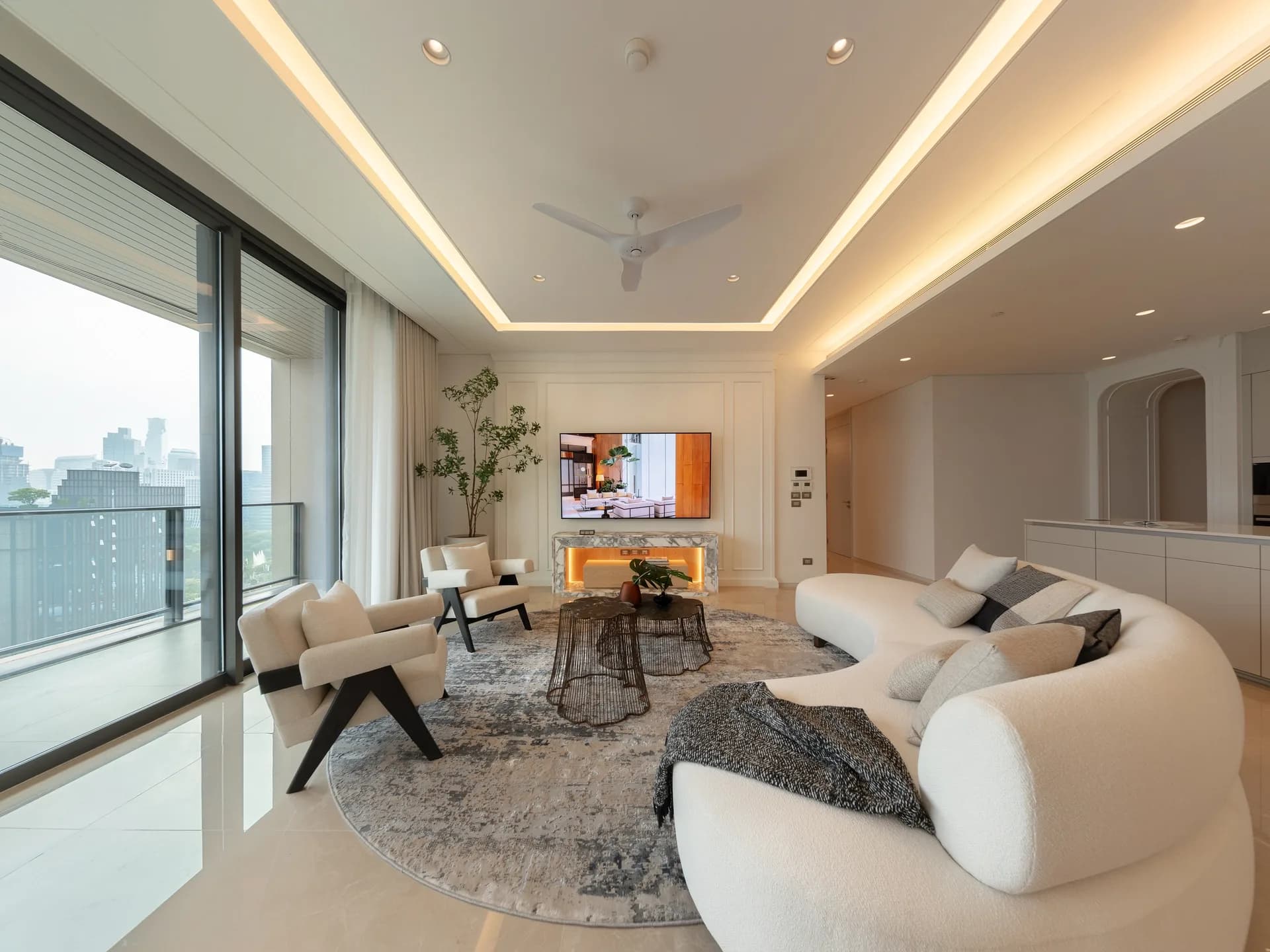
Kempinski / Completed
The Residences at Sindhorn Kempinski Hotel Bangkok
Bangkok, Thailand · 1 to 4 bed
Price on request
When to Go
November to February is the cool, dry season, and the only stretch when walking around at midday is comfortable. It is also the busiest and the most expensive, and the good restaurant tables go weeks ahead.
March to May is the hot season and it is not a figure of speech — April routinely runs above 35°C with high humidity. Plan indoor middays, and expect to use the pool as infrastructure rather than decoration. Songkran falls in mid-April and shuts the ordinary city down for several days.
June to October is the rainy season, which in Bangkok usually means a heavy downpour in the afternoon rather than a washed-out day. It is the quietest and the cheapest window, and the light after a storm is the best the city gets.
Frequently Asked
Should you stay on the river or in the city in Bangkok?
This is the only Bangkok question that really matters, and it is not about which is better. The river hotels — Mandarin Oriental, Capella, Four Seasons — have space, gardens, pools that face water rather than a wall, and their own boats. The trade-off is that you are twenty to forty minutes from the shopping and the Skytrain, and that gap widens badly in traffic. The city hotels around Ploenchit, Langsuan and Sathorn put you on the BTS and within walking distance of the malls and much of the best eating, but you give up the river. First visit, and if the trip is mostly about the city itself, we usually say river for two nights and city for two. If you only have three nights and a full diary, stay in the city.
What is the best luxury hotel in Bangkok?
Capella Bangkok has the strongest claim on paper: it was named the world's number one hotel by the World's 50 Best in 2024 and placed third in 2025, and Côte by Mauro Colagreco holds two Michelin stars. But Mandarin Oriental has been on that river since 1876 and its service is a benchmark other hotels are measured against, which is a different kind of argument. Aman Nai Lert is the one to pick if you want the city with none of the noise. We would rather match the hotel to the trip than crown one.
How many days do you need in Bangkok?
Three nights covers the city properly — the Grand Palace and Wat Pho, a river day, the markets, and two or three serious dinners. Four lets you slow down or take a day trip to Ayutthaya. Bangkok also works extremely well as the front or back end of a beach week, which is how most of our clients use it: two or three nights here, then Phuket, Samui or Krabi, with the domestic flight built in.
When is the best time to visit Bangkok?
November to February is the cool, dry season and the only stretch where walking around in the middle of the day is comfortable — expect low 30s and little rain. March to May is the hot season and it is punishing, regularly over 35°C and often higher in April. June to October is the rainy season, which in practice means heavy afternoon downpours rather than all-day grey, and it is the cheapest and quietest time to come. One date to plan around deliberately: Songkran, the Thai new year in mid-April, when the city turns into a nationwide water fight. It is either the reason you came or the reason to come another week.
How do you get around Bangkok?
Assume the roads will fail you and build the day around the alternatives. The BTS Skytrain and the MRT underground are fast, cheap and air-conditioned, and between them they cover most of the city you will want. On the river, the hotel shuttle boats and the public Chao Phraya express boats are usually quicker than a car to the old town, and far more pleasant. Taxis and Grab are cheap but hostage to the traffic — a four-kilometre trip at six in the evening can take fifty minutes. We plan around this rather than pretending it is not true.
How far is Bangkok airport from the city?
Suvarnabhumi is the main international airport, about 30 kilometres east of the centre — a transfer of 40 minutes at a quiet hour and well over an hour in traffic. The Airport Rail Link runs into the city and is immune to that, which is worth knowing if you land at rush hour. Don Mueang, the older airport, handles most low-cost and some domestic flights and sits to the north. Check which one your onward beach flight leaves from before you book a hotel on the wrong side of the city.
Is it worth booking Bangkok through a travel advisor?
You pay the hotel's own nightly rate and gain preferred-partner benefits — breakfast, upgrades when available and hotel credits. In Bangkok the value on top of that is mostly judgement and logistics: which side of the river a room actually faces, whether the trip wants the boat or the Skytrain, sequencing the city with a beach so you are not crossing town at the worst hour.
Plan Your Journey
Stay in Bangkok with Via Privata
Same nightly rate as booking direct, with complimentary breakfast, upgrades when available and hotel credits on every stay — plus the room that faces the right way.
Enquire Now