Luxury hotels in Chile
Insider access and bespoke itineraries, at the hotel's own rate
Where to stay in Chile
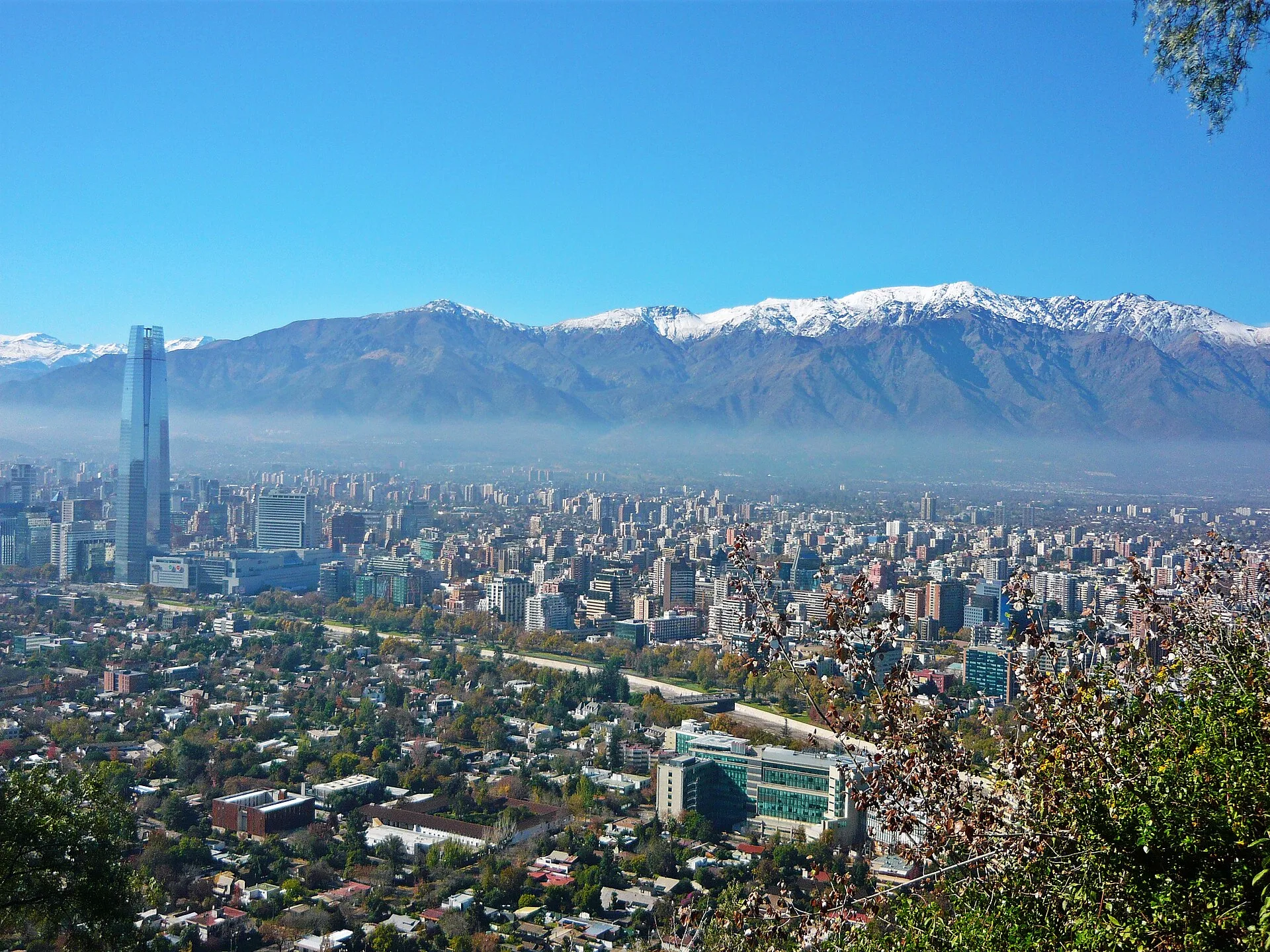
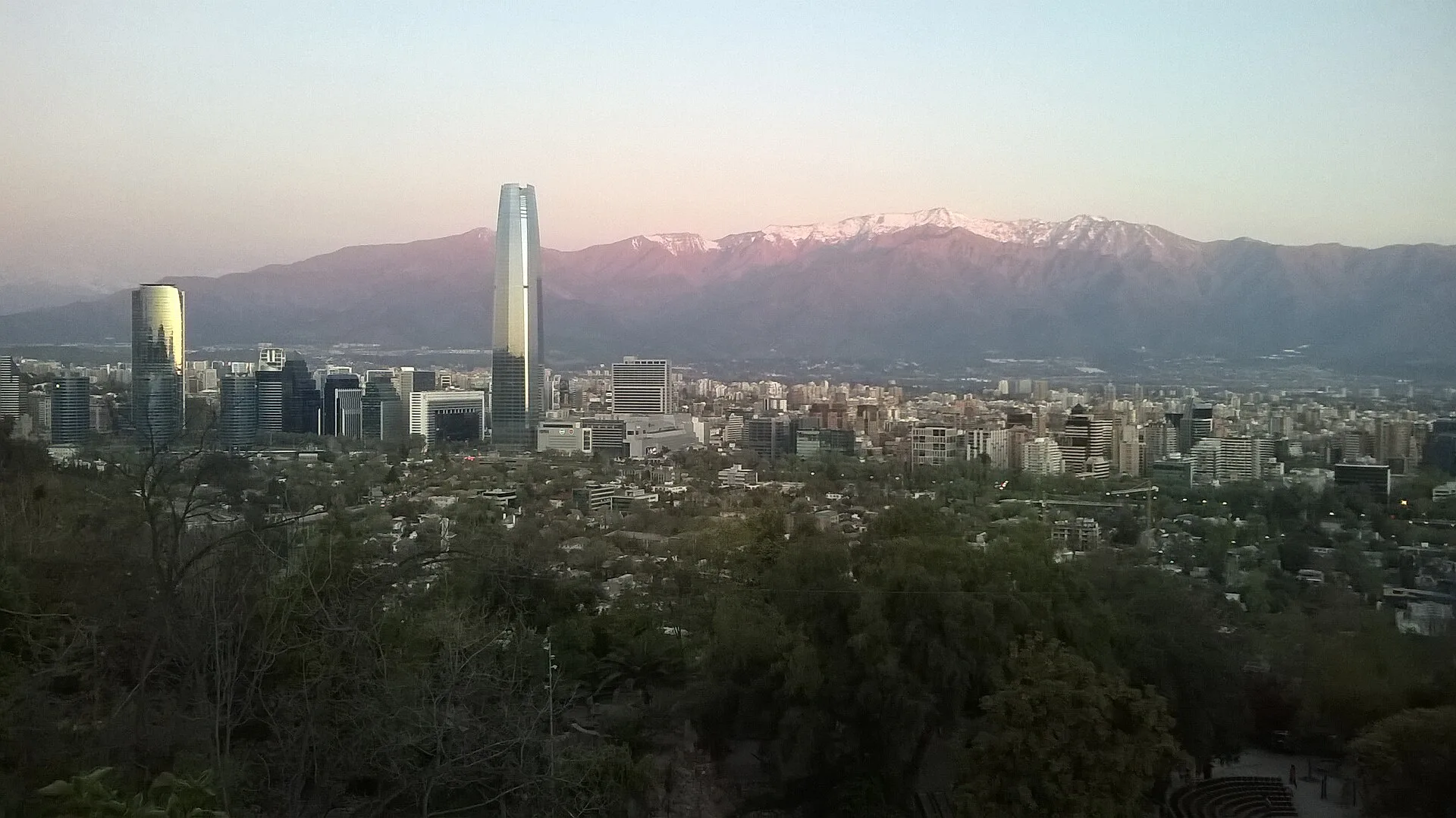
In Chile, I book one of the two Santiago hotels on this page by mood: The Ritz-Carlton, Santiago in walkable El Golf, with its glass-cupola rooftop pool and one MICHELIN Key (2026), or Mandarin Oriental, Santiago in Las Condes, the resort in the city, with gardens around a freeform lagoon pool. Either bookends the Atacama and Patagonia.
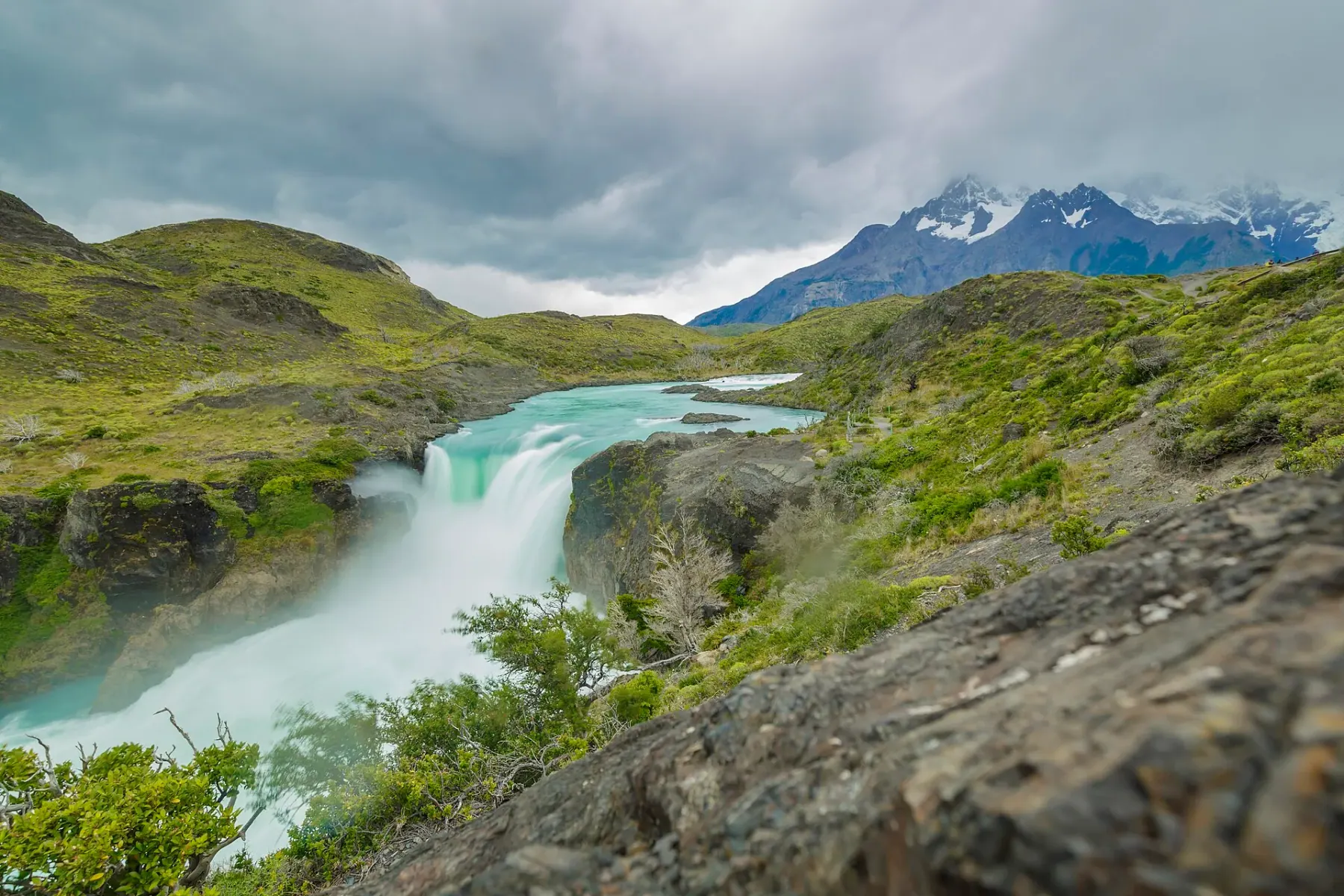
Chile stretches four thousand kilometres from the driest desert on earth to the glaciers of Patagonia — a country built for journeys rather than a single stay. The Atacama's lunar valleys and star fields in the north, Torres del Paine's granite towers in the south, and between them some of the hemisphere's finest wine within an hour of the capital.
Santiago is the sophisticated gateway, and those two addresses lead it: The Ritz-Carlton, Santiago is the more urban of the pair, and Mandarin Oriental, Santiago the more resort-like, its landscaped gardens and waterfall pool making the business district feel far away.
Every great Chilean itinerary runs through the capital, and that is how we build them: a night or two in Santiago to bookend the wilderness legs, the Casablanca or Colchagua valleys as a day of long lunches, and the flights north or south arranged end to end — with our partner benefits at both city houses at the same rate as booking direct.
Which hotels we recommend in Chile
When to go to Chile
November to March is Patagonia's reliable window, and the season stretches from October into April at the edges. Torres del Paine peaks from December to February — about 17 hours of daylight in December, still 14 by late February, daytime highs of roughly 15-20°C, and the wind at its worst, January being both the warmest and the windiest month. November and March give you the same landscape with fewer people and softer rates, and by late March the lenga forests turn. The Atacama runs on a different clock: April-May and September-November are the comfortable months, while January and February bring the altiplanic winter, short violent afternoon storms over the highlands that can shut the road to El Tatio. June to August means ski season an hour from Santiago and the clearest night skies of the year, though pre-dawn in the desert sits well below freezing.
Our insider tip for Chile
Choose two regions, not four — Chile runs roughly 4,300km north to south and everything between them is a flight. Santiago to Calama is a little over two hours' flight plus about an hour and twenty minutes' drive into San Pedro; Santiago to Puerto Natales is about three and a half hours direct, or Punta Arenas plus a three-hour transfer. Add a Santiago night at each end and you have spent two days in transit before you notice. Do the Atacama first if you are doing both: San Pedro sits at about 2,450m and El Tatio at 4,320m, so keep the geysers for your second or third morning, never your first. Patagonia lodges for December to February want holding six to twelve months out — they are small and they do sell out. Park entrance is charged separately from your lodge rate.
Questions about Chile
When is the best time to visit Chile?
October through April is the warm, dry season — Santiago and the wine valleys at their best, and Patagonia's trekking window (November through March). The Atacama works year-round thanks to its altitude and aridity. June through September flips the country to ski season, with Andes resorts an hour from the capital.
How many days do you need in Chile?
Ten to twelve nights builds the classic route: a night or two in Santiago on each end, three or four in the Atacama, and four in Patagonia. With a single week, choose one wilderness — desert or glaciers — plus the capital and a wine-valley day, and do it unhurried.
Atacama or Patagonia — which should I choose?
Choose the Atacama for an otherworldly trip that is gentle on the body — lunar valleys, salt flats, geysers and some of the clearest night skies on earth, all from one comfortable base. Choose Patagonia for something grander and more physical: Torres del Paine's towers, glaciers and serious walking. Photographers lean Atacama; trekkers lean south. With twelve nights you need not choose.
What are the best luxury hotels in Santiago?
The Ritz-Carlton, Santiago in walkable El Golf, crowned by its glass-cupola rooftop pool and holding one MICHELIN Key (2026), and Mandarin Oriental, Santiago, the resort in the city, with landscaped gardens and a freeform lagoon pool with a waterfall. We book both with partner benefits: breakfast, upgrade priority and credit.
Is booking Chile through a luxury travel advisor worth it?
Yes. Via Privata books every hotel on this page at the hotel's published rate, with the benefits confirmed in writing before you commit; our partner benefits apply at both Santiago houses. The real value is the architecture of the trip — capital, desert, glaciers, vineyards — and we arrange the internal flights, lodges and private guiding so the distances disappear into the journey.
Sources
- Michelin Guide: The Ritz-Carlton, Santiago (One MICHELIN Key, El Golf, 205 rooms)
- The Ritz-Carlton, Santiago overview (MICHELIN One Key Hotel 2026; rooftop panoramic pool, glass-roofed spa)
- Forbes Travel Guide: Mandarin Oriental, Santiago (freeform pool with waterfall, garden paths)
- Chile Travel, San Pedro de Atacama (2,450 m; a little over two hours' flight; Calama to San Pedro about 1 hour 20 minutes)
- Chile Travel, El Tatio geysers (4,320 m above sea level)
- Chile Travel, Torres del Paine: how to get there (Santiago-Puerto Natales direct about 3.5 hours; Punta Arenas-Puerto Natales a 3-hour road trip)
More Destinations in The Americas
Plan Your Journey
Discover Chile with Via Privata
Bespoke itineraries, preferred hotel access, and local expertise — tailored to your travel style.
Enquire NowEnquire Now