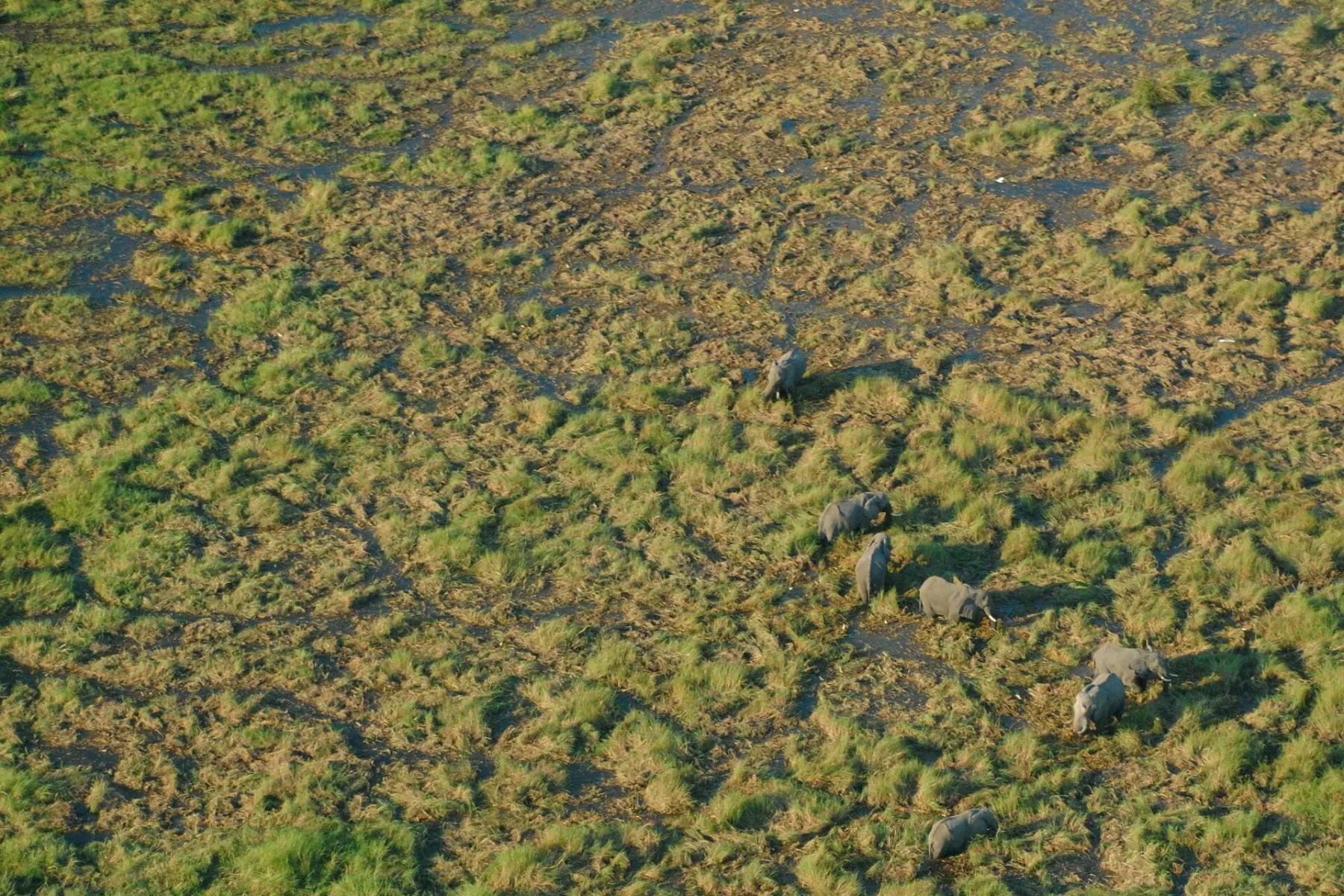
Luxury hotels in Botswana
Insider access and bespoke itineraries, at the hotel's own rate
Where to stay in Botswana
In Botswana I book two Belmond lodges as a pair. Eagle Island Lodge, A Belmond Safari, deep in the Okavango Delta, is the water safari: 12 tented rooms with plunge pools, game viewing by mokoro and helicopter. Savute Elephant Lodge, A Belmond Safari, on Chobe's Savute Channel, is the land safari: 12 tented rooms facing a permanent waterhole.
Botswana keeps its safari deliberately small — vast private concessions, tiny camps and a low-volume, high-value model that keeps the wilderness wild. Its two great theatres, the water-world of the Okavango Delta and the dry-country drama of Chobe, sit within a short flight of each other.
Belmond's two lodges cover both. Belmond Eagle Island Lodge sits deep in the Okavango Delta — twelve thatched, tented suites raised over the floodplain, where game viewing happens by mokoro dugout canoe, motorboat and helicopter with the doors off, past some of the richest birdlife in Africa. Belmond Savute Elephant Lodge brings the big-sky counterpart: twelve tented suites on the Savute Channel in Chobe, with a waterhole in front of camp, huge elephant herds, and the famous lion prides that hunt them.
The classic Botswana trip pairs water and land, and that is where we add the most value — three nights each at Eagle Island and Savute, connected by the light aircraft we arrange end to end, timed so the Delta leg falls in the flood, with preferred-partner benefits at the same rate you would pay booking direct.

Which hotels we recommend in Botswana

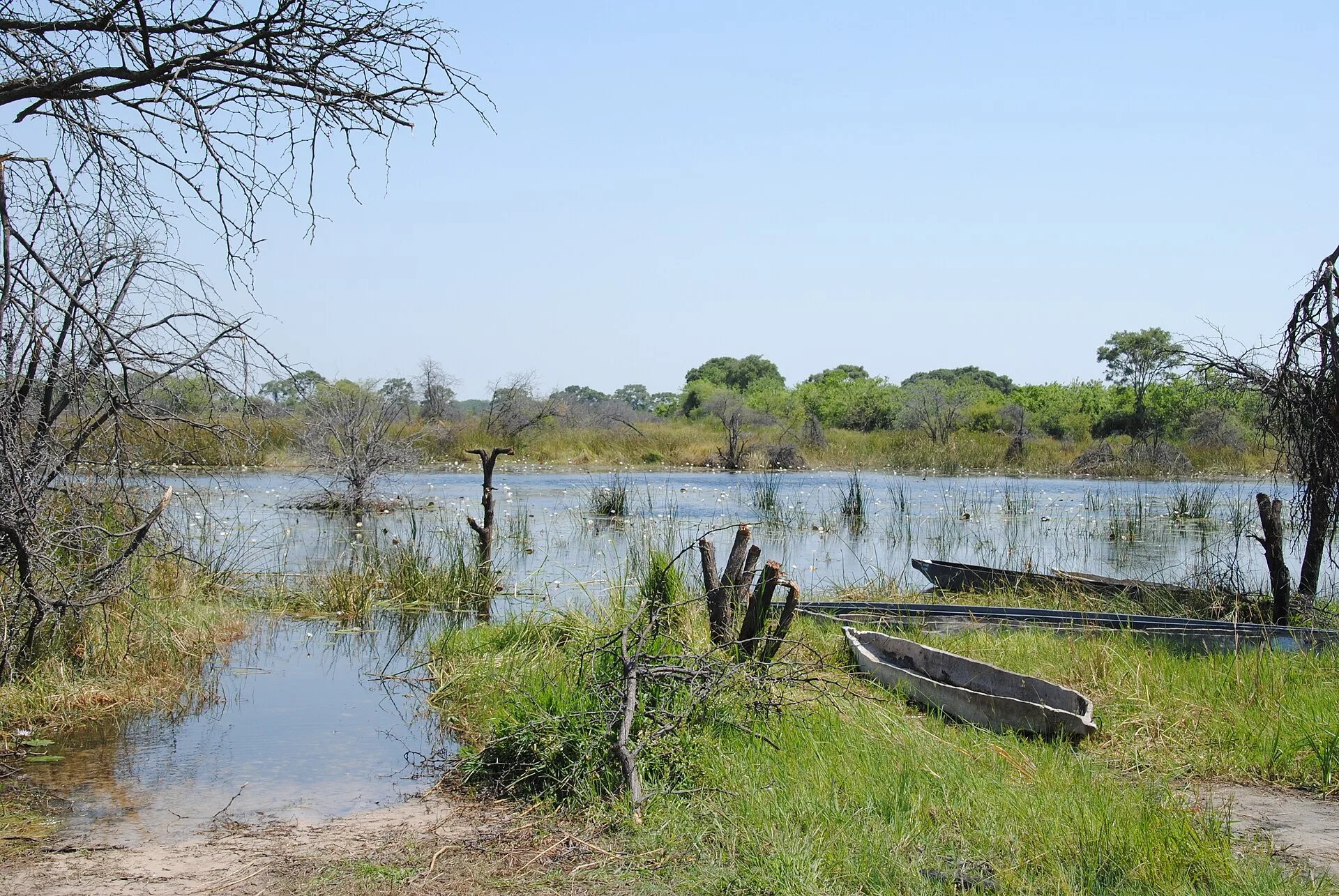
When to go to Botswana
May to October, though Botswana runs two clocks against each other. The Okavango floods in the middle of the dry season: Angolan rain arrives months late, reaching the Delta from April and peaking in July and August, when open water can exceed 7,000 square kilometres. That is when the mokoro channels are deep and Eagle Island is at its strongest. Chobe peaks slightly later — by September and October the riverfront draws elephant in the tens of thousands, and the waterholes around Savute concentrate lion and other predators. The trade-off is heat; October is the hottest month, with average highs around 34°C. November to March is the green season: afternoon storms, impala calving, migrant birds, and — in December specifically, as the rains begin — thousands of zebra leaving the Chobe floodplains and moving south past Savute towards Nxai Pan, where they stay until the rains end. Rates fall sharply, and Delta water levels sit at their annual low.
Our insider tip for Botswana
Book peak-season camps twelve to eighteen months out, and never build the trip around a single camp — Botswana works as a circuit of two or three, three nights each, linked by light aircraft. Pair water with land: Eagle Island in the Delta for mokoro and boat work, then Savute Elephant Lodge in Chobe for predators and dry-country game. Two constraints catch people late. Those light aircraft hold you to roughly 20kg in a soft bag, hand luggage included — no wheels, no hard frames — so plan a left-luggage stop in Johannesburg or Maun. And both regions are malarial; see your GP months ahead, not the week before. Park entry fees come on top of camp rates — BWP 270 per non-resident adult per day for Chobe and Moremi under the 2022 schedule, with increases announced for 2026 — so we confirm the current figure when we quote. Fly into Maun, out of Kasane, and add Victoria Falls — about two hours by road, the Kazungula border crossing included.
Questions about Botswana
When is the best time to visit Botswana?
May to October, the dry season, is prime: game concentrates at water, and the Okavango flood — which arrives from distant rains — peaks in July and August, when the mokoro channels run deepest. November to April is the green season, with newborn wildlife, dramatic storm skies and softer rates. We time the Delta leg to the flood.
How many nights do you need in Botswana?
The classic circuit is six nights — three in the Okavango Delta and three in Chobe — to experience both the water and the land safari. Add more to include the Kalahari, or to extend into Victoria Falls or Zimbabwe next door. We build the light-aircraft connections between camps into the plan.
What is the difference between the Okavango Delta and Chobe?
The Okavango is the water safari and Chobe the land one. The Delta is a desert delta that floods each year, explored by mokoro canoe, boat and helicopter, gliding at eye level past elephants in the channels. Chobe and the Savute is big-sky, dry-country safari — huge elephant herds, strong predator action and ancient baobabs. Pairing the two is why Botswana rewards a water-and-land itinerary.
What are the best safari lodges in Botswana?
Belmond Eagle Island Lodge, deep in the Okavango Delta, is our pick for the water safari — twelve tented suites over the floodplain, with mokoro, boat and helicopter game viewing. Its sister, Belmond Savute Elephant Lodge on the Savute Channel in Chobe, is the land counterpart, with a waterhole in front of camp and legendary elephant and lion viewing.
Is a luxury travel advisor worth it for Botswana?
Yes, and it costs nothing extra. Via Privata books every hotel on this page at the hotel's published rate, with the benefits confirmed in writing before you commit — breakfast, upgrades when available, and credits. In Botswana the decisive value is planning: pairing the Delta and Chobe for the water-and-land contrast, timing the Delta leg to the flood, and arranging the light aircraft that connect these remote camps end to end.
Sources
- Belmond, Eagle Island Lodge (12 tented rooms with private plunge pools; heli-pad)
- Belmond, Savute Elephant Lodge (12 tented rooms on the Savute Channel; permanent waterhole)
- Okavango.com, the Okavango Delta flood cycle (Angolan rains November-March; flood pulse enters the delta fan by April; highest June-August; visible open water over 7,000 km² by July)
- Convention on Migratory Species, plains zebra migration fact sheet (Chobe River to Nxai Pan, about 250 km, southward from December, return from April; 5,000-10,000 animals estimated)
- WeatherSpark, Maun climate (October the hottest month, average high 34°C)
- Mack Air, reservations terms and conditions (20 kg total luggage including 5 kg hand luggage; strictly soft-sided bags, no wheels, frames or rigid sides)
- Tourism Update, Botswana park fees from 1 April 2022: non-residents BWP 270 for Chobe and Moremi, BWP 190 for other parks (23 Feb 2022)
- Botswana Daily News, wildlife and national parks fees revised, some from 1 April 2026 (24 Feb 2026)
- Wild Horizons, Kasane to Victoria Falls town about a two-hour road transfer via the Kazungula border post
More Destinations in Africa & Indian Ocean
Plan Your Journey
Discover Botswana with Via Privata
Bespoke itineraries, preferred hotel access, and local expertise — tailored to your travel style.
Enquire NowEnquire Now