Luxury hotels in Peru
Insider access and bespoke itineraries, at the hotel's own rate
The Destination
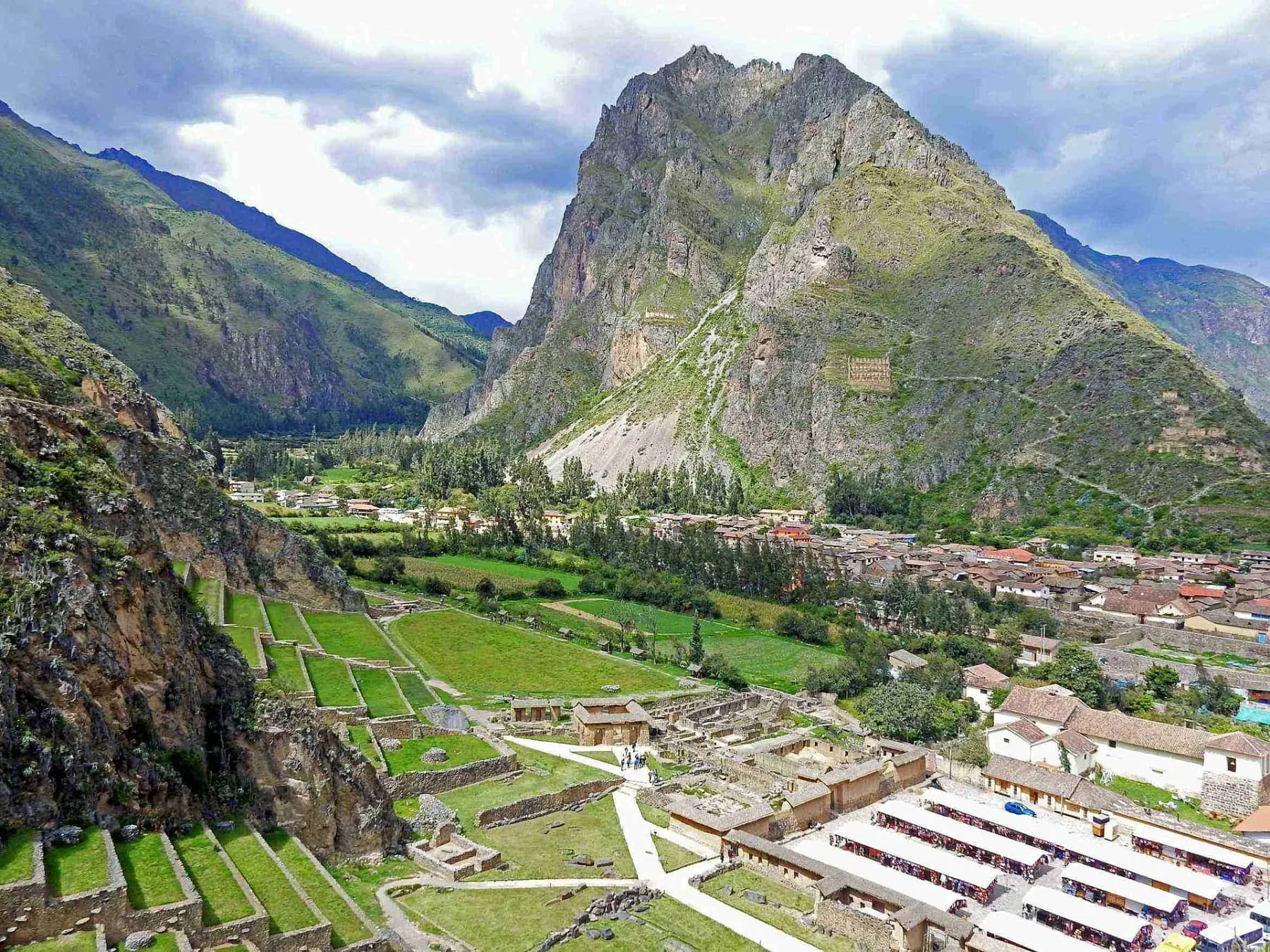
Peru is South America's great cultural journey — the Inca citadel of Machu Picchu, the colonial grandeur of Cusco, and the terraced Sacred Valley that runs between them. This is a destination measured in altitude and archaeology rather than beaches, and at the top of the market it belongs to one name above all: Belmond, whose rail-and-hotel network has anchored the route for decades.
The two addresses that matter both fly the Belmond flag. Monasterio occupies a 1592 monastery on Cusco's quiet Plazoleta Nazarenas, wrapping its rooms around cloistered stone courtyards and a gilded baroque chapel — and, crucially at 3,400 metres, its rooms can be oxygen-enriched to soften the altitude. Sanctuary Lodge is the only hotel at Machu Picchu itself, set beside the citadel gate, so guests walk into the sanctuary at first light and return at dusk, long before and after the day-trippers arrive from the valley below.
Peru rewards careful sequencing, and that is where we earn our place. We begin you in Cusco to acclimatise before the Sacred Valley and the citadel, book the scenic rail through the valley, and time the circuit to the Andean dry season — arranging the private guides and transfers so every leg connects, and adding preferred-partner benefits at the same rate you would pay booking direct.
Our Recommended Properties
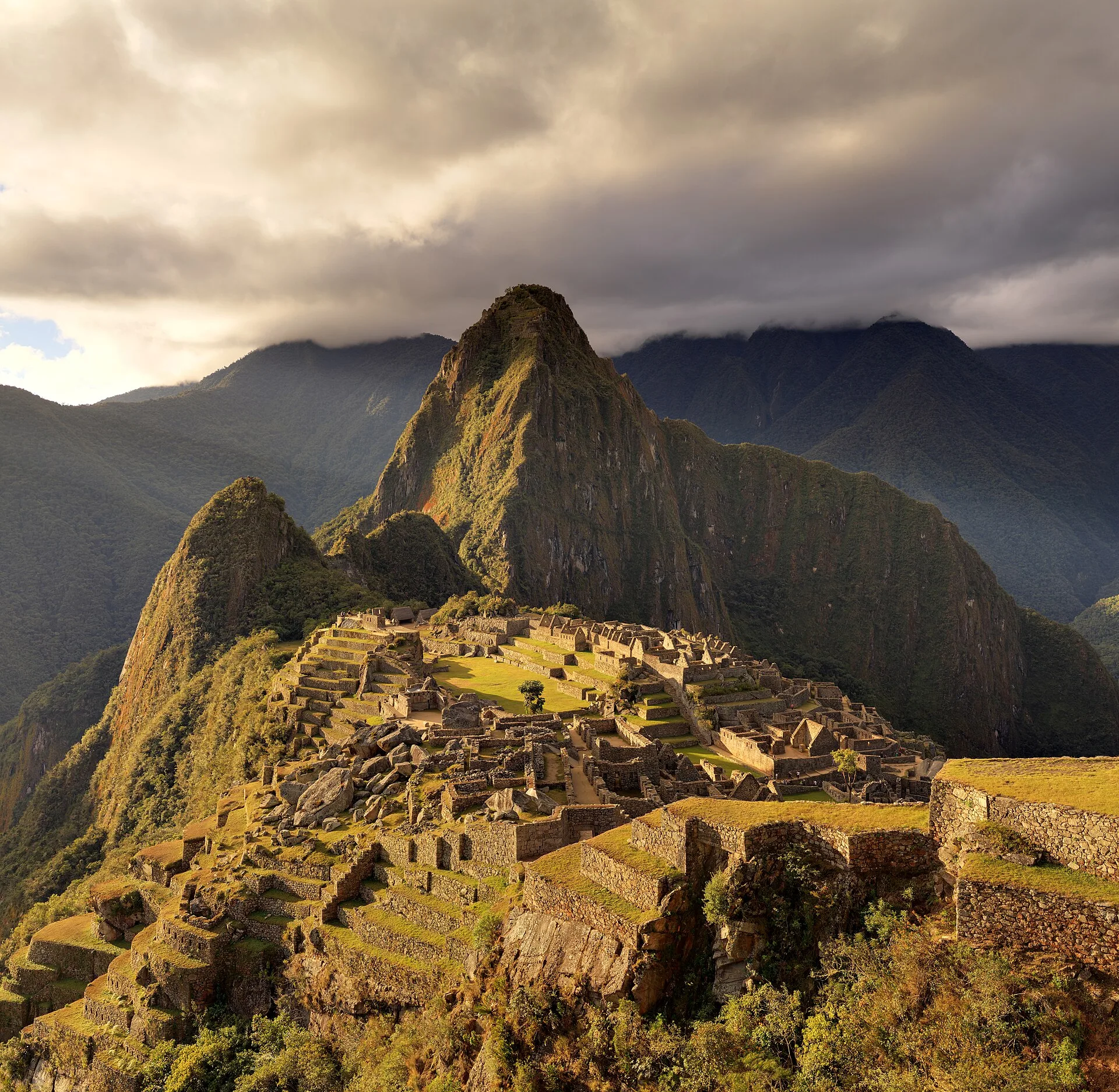
Sanctuary Lodge, A Belmond Hotel
Machu Picchu · $$$$$
The only hotel at Machu Picchu — beside the citadel entrance, with the ruins to yourself at dawn and dusk
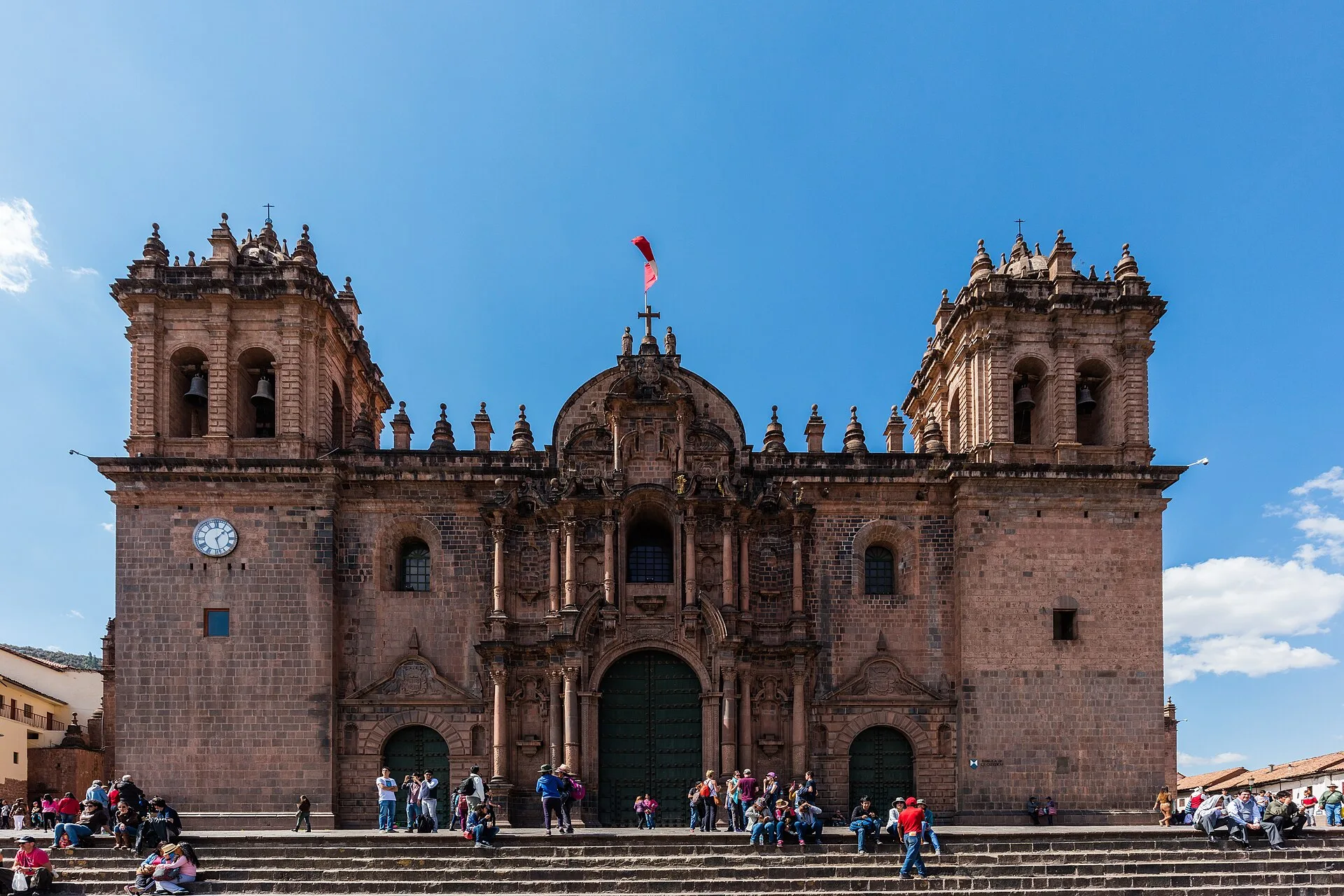
Monasterio, A Belmond Hotel, Cusco
Cusco · $$$$$
A 1592 monastery on Cusco's Plazoleta Nazarenas — 97 rooms and 20 suites around cloistered courtyards, with a gilded chapel and oxygen enrichment at 3,399m
Best Time to Visit
May to September is the Andean dry season: sunny days around 19-20°C in Cusco, nights close to freezing in June and July, and very little rain. May and September are the two best months — May still green from the rains with the skies already clearing, September dry and settled just ahead of them, and in both, permits and rooms are marginally easier to hold. June to August is peak, with Machu Picchu's daily cap lifted to 5,600 visitors from 19 June and Inti Raymi filling Cusco on 24 June. The wet season runs December to March, and February is the one hard closure: the Inca Trail shuts for the entire month for maintenance, though the citadel itself stays open. The coast and the Amazon keep a different clock — Lima sits under grey drizzle from June to October and is sunniest January to March.
Insider Tips
Sequence the altitude properly. Fly Lima to Cusco, then leave Cusco the same day for the Sacred Valley at roughly 2,800m, sleep two nights there, and only come back up to Cusco's 3,399m at the end of the trip. Most people do it the other way round and lose a day to headaches. Inca Trail permits are released each October for the following year — 500 places a day, of which only about 200 are trekkers rather than guides and porters — and the June-to-August dates can go within days of release, so book at the October opening, nine to fourteen months out, not five or six. Citadel entry is a separate purchase now, sold by circuit and timed hour. Two things worth paying for: a room at Monasterio specified with oxygen (ask when booking, not all are), and a night at Sanctuary Lodge, the only hotel at the gate, which buys you the ruins at opening and again near closing.
Frequently Asked
When is the best time to visit Peru?
May through September is the Andean dry season — crisp, clear days over the citadel and the Sacred Valley, with cold, starry nights. April and October are quieter green-shoulder months with dramatic mists and thinner crowds. The Inca Trail closes each February for maintenance, so plan around it if you intend to trek.
How many days do you need in Peru?
Six to eight nights is the comfortable minimum: two in Cusco to acclimatise to the altitude, two in the Sacred Valley, and a night at Machu Picchu itself so you can reach the citadel at dawn. Add Lima's dining or Lake Titicaca and you are at ten. We sequence the route so the altitude builds gradually rather than all at once.
How do you handle the altitude in Cusco?
Cusco sits at about 3,400 metres, high enough that many travellers feel it on arrival. The remedy is sequencing and comfort: we ease you in through Cusco or the slightly lower Sacred Valley, and book the oxygen-enriched rooms at Belmond Monasterio, which do soften the first nights before you head up to Machu Picchu.
What are the best luxury hotels in Peru?
For the classic circuit we book Belmond's two Peru houses: Monasterio, a 1592 monastery on Cusco's Plazoleta Nazarenas with a gilded chapel and oxygen-enriched rooms, and Sanctuary Lodge, the only hotel at Machu Picchu, set beside the citadel entrance for dawn and dusk access before the crowds arrive.
Is booking Peru through a luxury travel advisor worth it?
You pay the same nightly rate as booking direct, and we add preferred-partner benefits — breakfast, upgrades when available, and hotel credits — at the Belmond properties. Just as valuable here is the sequencing: acclimatising you at altitude in the right order, securing the Sacred Valley rail, and arranging the private guides and transfers so every leg connects seamlessly.
More Destinations in The Americas
Plan Your Journey
Discover Peru with Via Privata
Bespoke itineraries, preferred hotel access, and local expertise — tailored to your travel style.
Enquire NowEnquire Now