Tokyo
Five hotels, five towers — and the floor matters as much as the address
The Destination
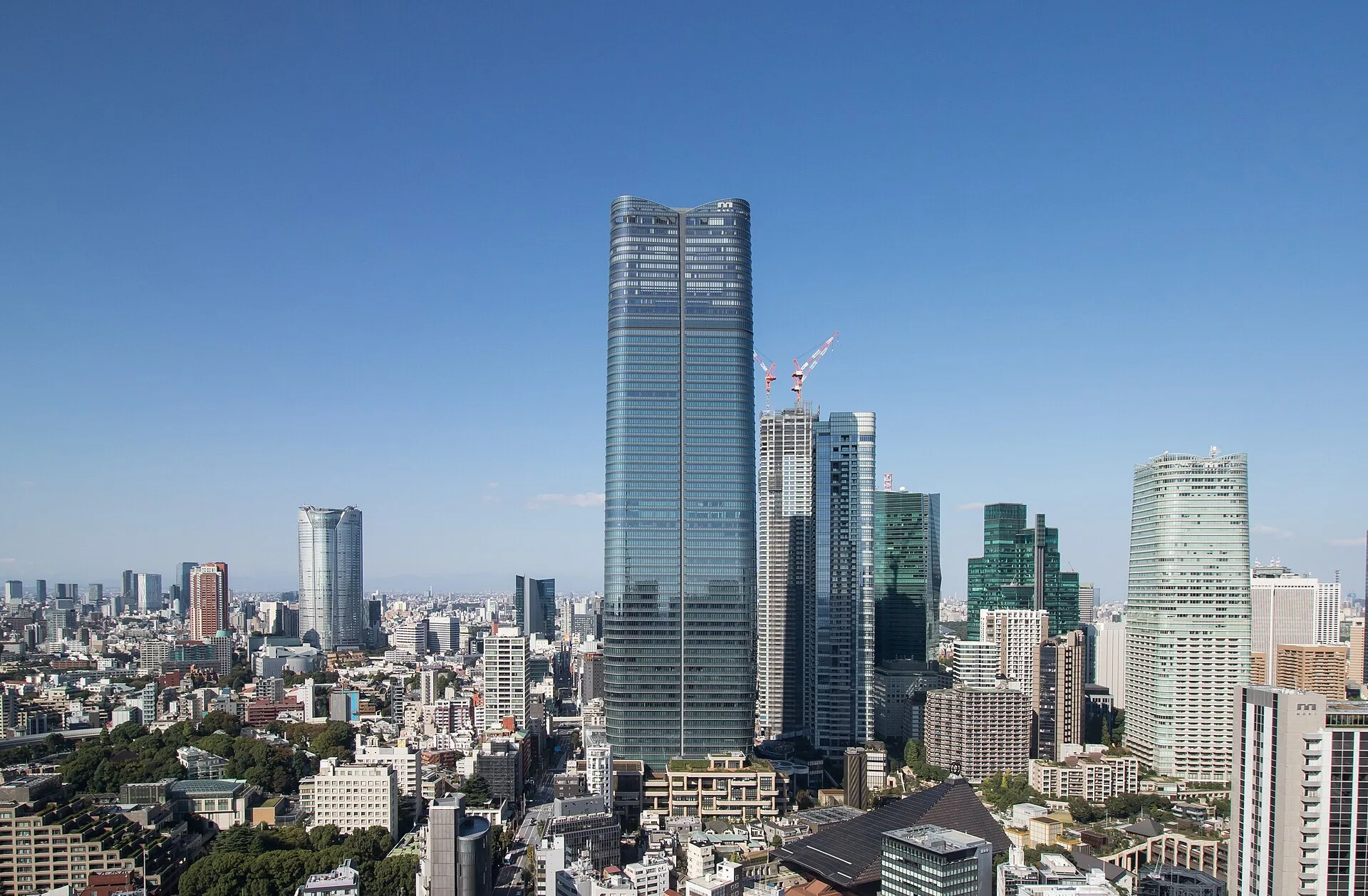
Every hotel on this page sits inside an office tower it does not own. Aman has levels 33 to 38 of Otemachi Tower; Bulgari has 40 to 45 of Tokyo Midtown Yaesu; the Ritz-Carlton has the top nine floors of the 53-storey Midtown Tower; Janu occupies part of Azabudai Hills, the district Mori opened in November 2023. In most cities that would be a compromise. In Tokyo it is the product — the lifts open on the thirty-third floor and the city arranges itself below the window.
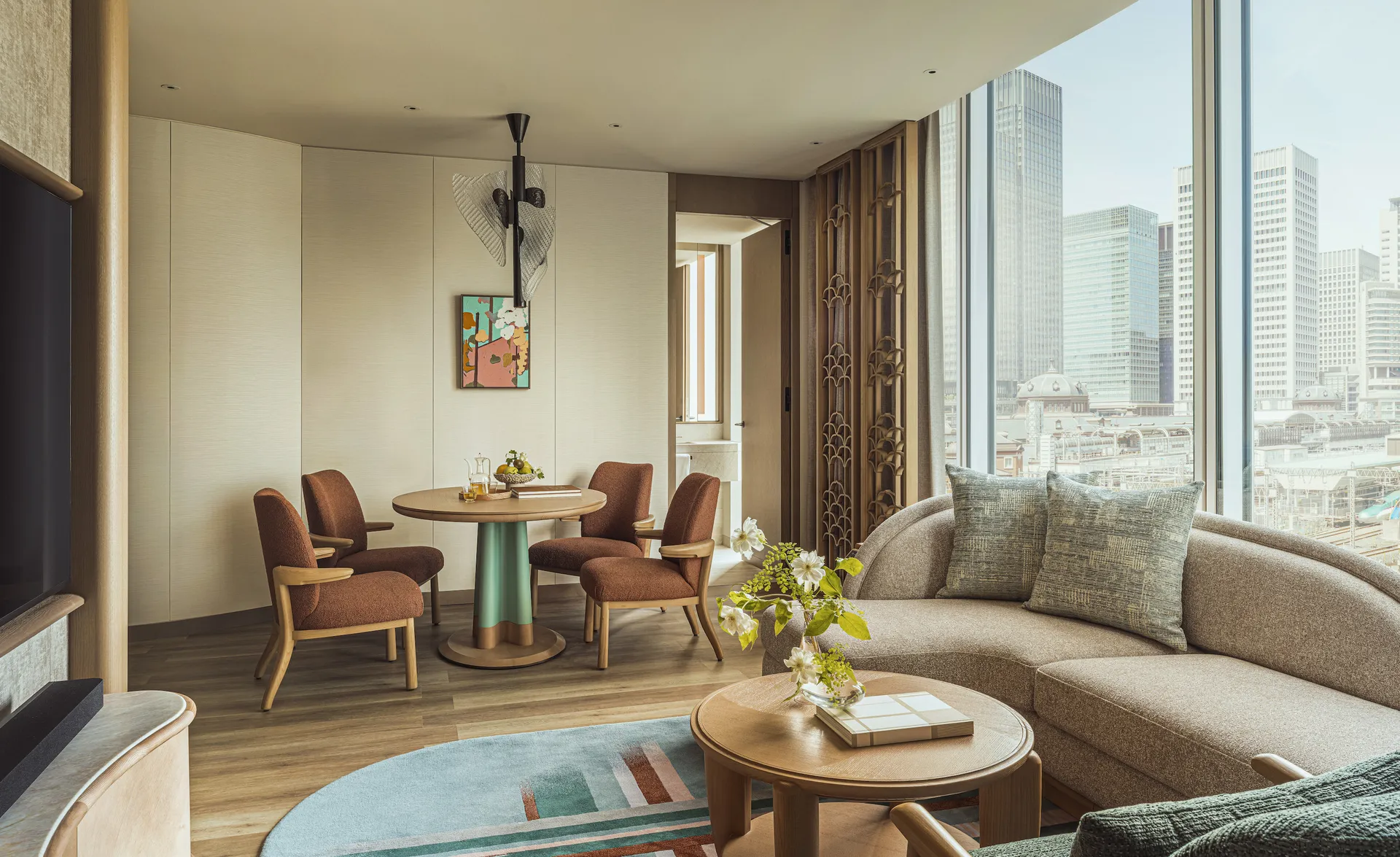
The fifth breaks the pattern on purpose. Four Seasons at Marunouchi has 57 keys on floors three to six of a 31-storey building, which puts the windows level with the red brick of Tokyo Station rather than above the skyline. Small, low, and looking across instead of down — and after André Fu stripped the rooms back in 2026, the one that behaves least like a hotel in a tower.
So the decision is unusually concrete. Not which hotel has the better lobby, but which quarter of the city you want beneath you and which way you want the glass to face. Three of the five cluster around Tokyo Station — Otemachi, Marunouchi and Yaesu, within a few minutes of each other — and two sit together in Minato, at Roppongi and Azabudai Hills.
What follows is that choice, then the two things Tokyo actually turns on — which airport you land at, and how the restaurants are really booked.
Where to Stay
Aman Tokyo
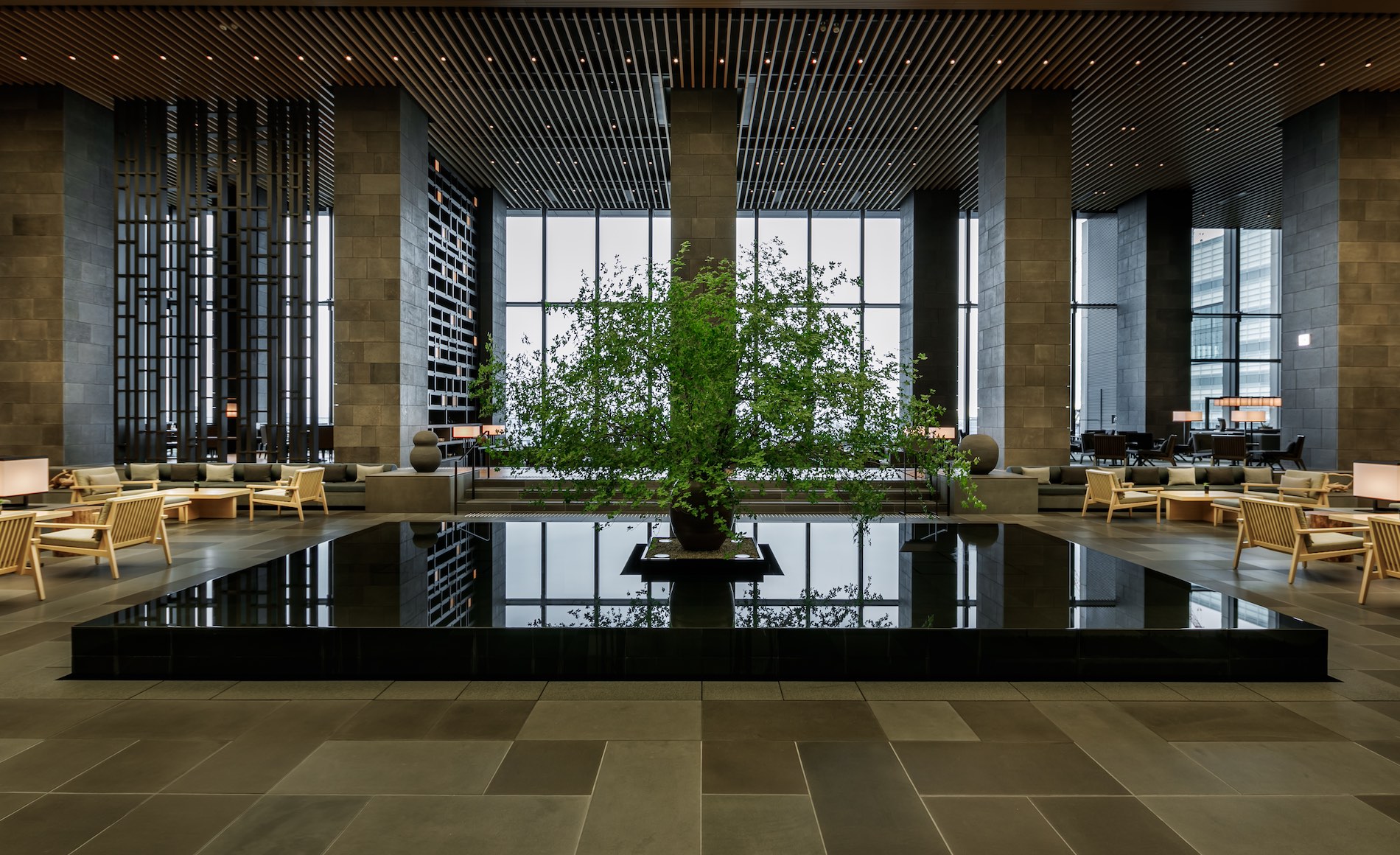
Otemachi — levels 33 to 38 of Otemachi Tower, directly above the subway interchange
Urban sanctuary occupying the top six floors of Otemachi Tower with rooms from 71 sqm
Four Seasons Hotel Tokyo at Marunouchi
Marunouchi — 57 keys on floors three to six, level with the station facade
Fifty-seven keys on seven floors of a thirty-one-floor building a stone's throw from Tokyo Station, with SÉZANNE and MAISON MARUNOUCHI in the house
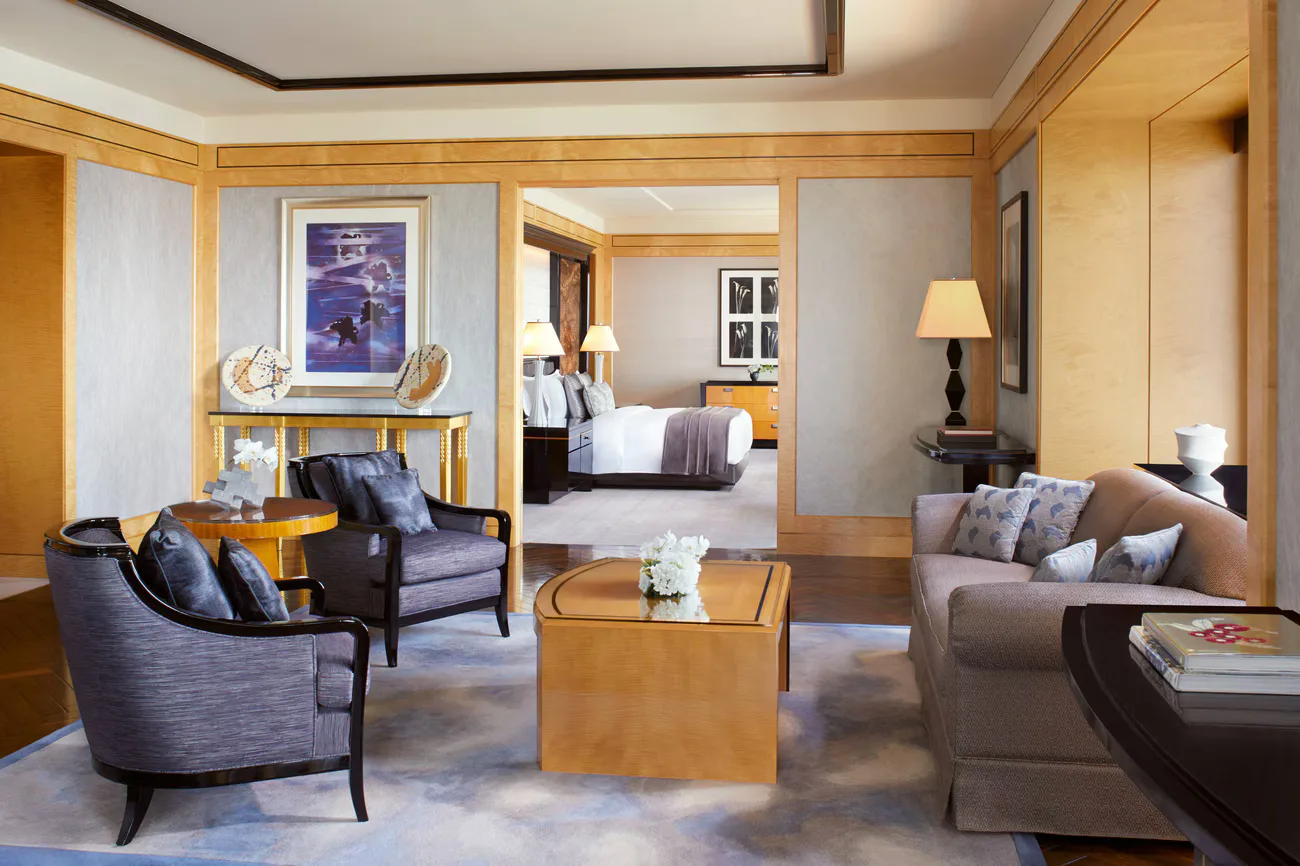
Bulgari Hotel Tokyo
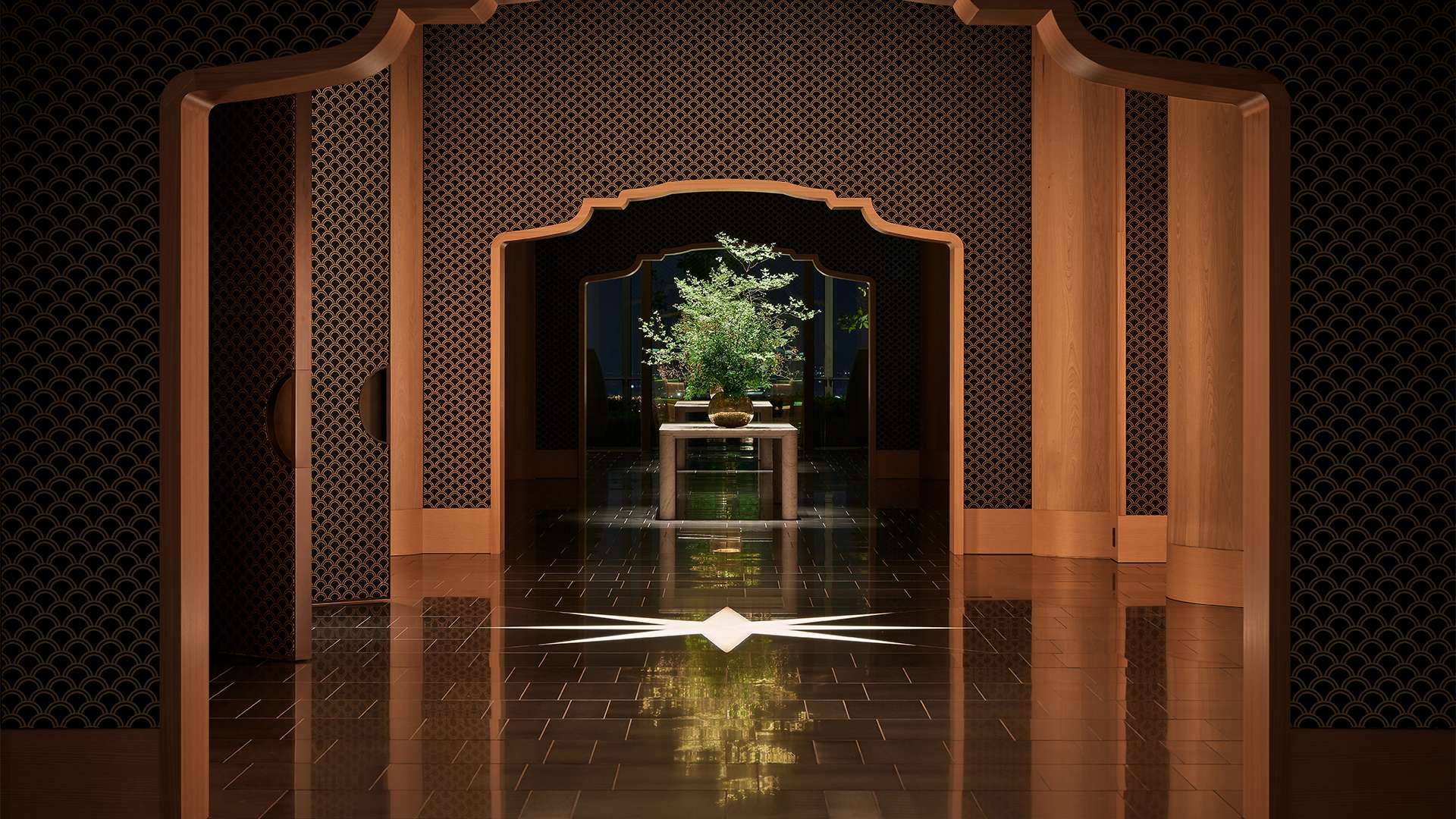
Yaesu — floors 40 to 45 of Tokyo Midtown Yaesu, on the east side of Tokyo Station
Crowning the top floors of a Yaesu tower by Tokyo Station, with sweeping city and, on clear days, Mount Fuji views
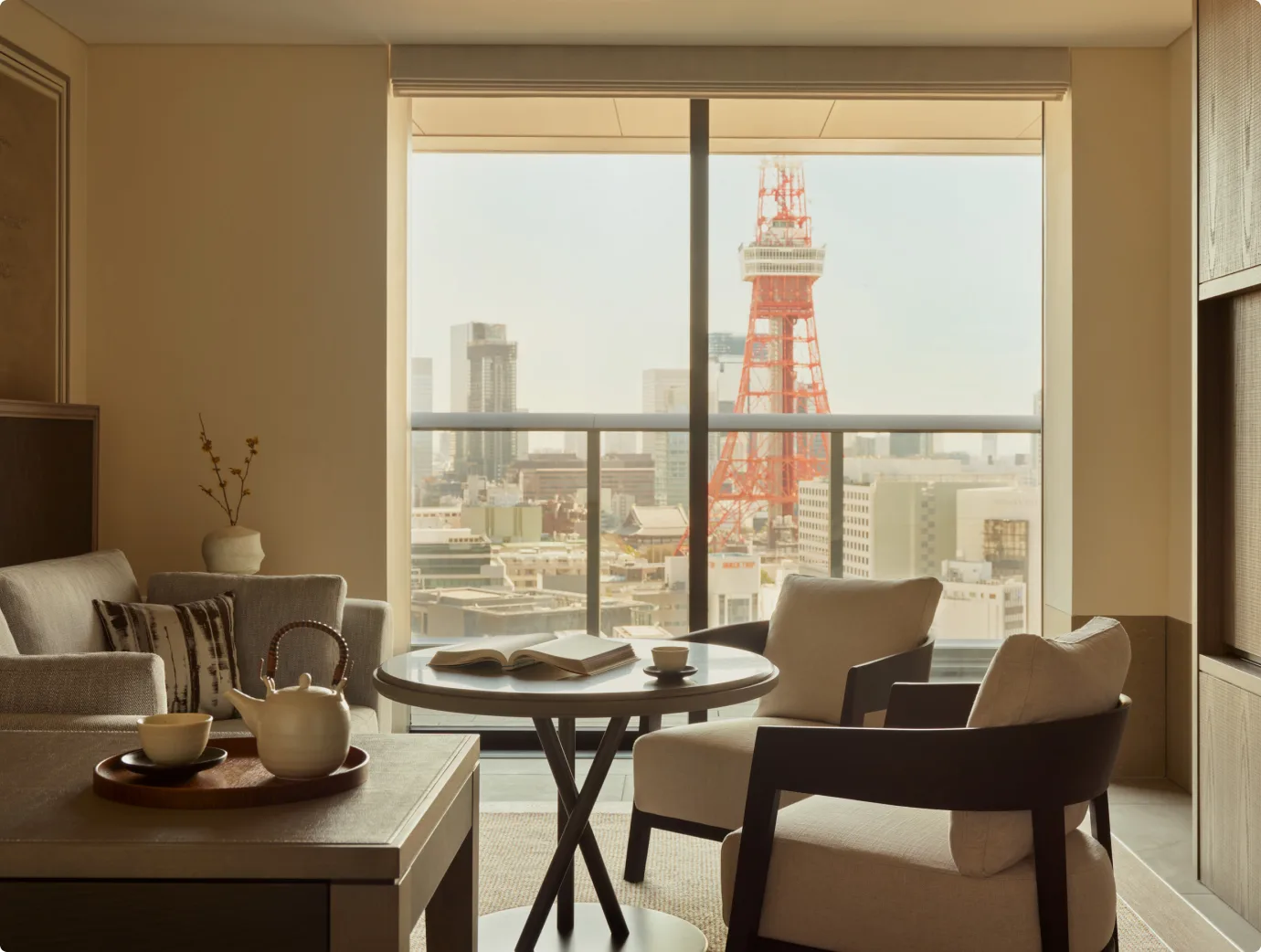
The Ritz-Carlton Tokyo
Roppongi — the top nine floors, 45 to 53, of the Midtown Tower
Occupying the top floors of Tokyo Midtown with Mount Fuji views on clear days
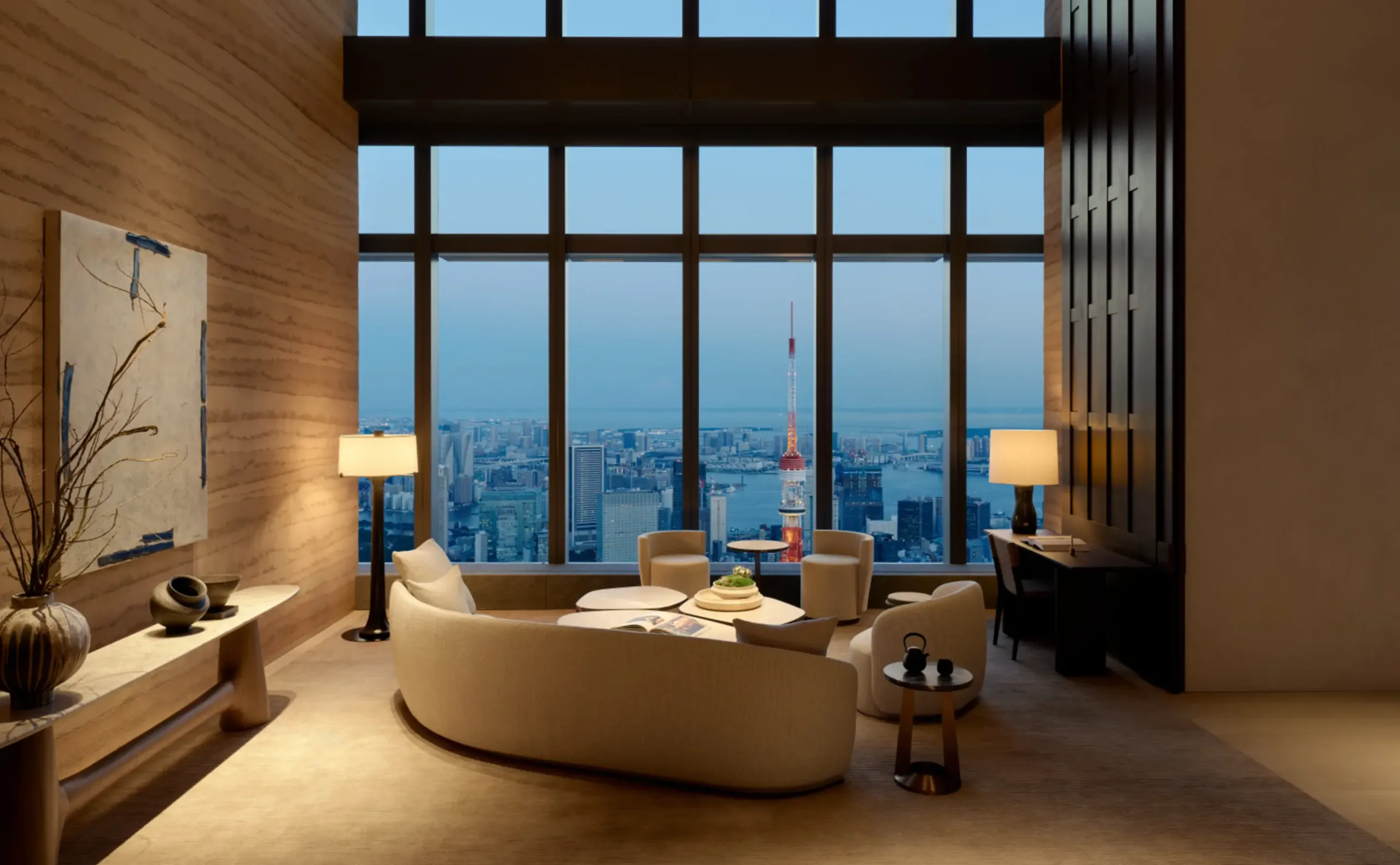
Janu Tokyo
Azabudai Hills — in the Residence A tower of the district that opened in 2023
Aman's sister-brand debut in Azabudai Hills — a livelier, more social counterpart to Aman Tokyo
Reading the City
Start with a correction, because a great deal of hotel copy gets it wrong: Tokyo Station is not a subway hub. Only the Marunouchi line stops there. Every other subway connection means an underground walk to Otemachi or Nihonbashi. Otemachi, on the other hand, is one of the great interchanges of the network, with five lines beneath it — so the address that actually buys you the city is Otemachi rather than the station everyone has heard of. Both sit on the same side of the tracks; Yaesu is the east flank of Tokyo Station, a few minutes and one concourse away.
South-west of there, Minato is the other half of the decision. Roppongi has been the international quarter for decades and Tokyo Midtown is its anchor. Azabudai Hills, ten minutes away, is the newest piece of the city: a Mori development of about eight hectares that opened on 24 November 2023 across parts of three neighbourhoods, with around 150 shops and restaurants, some 24,000 square metres of planting and a direct connection from Kamiyacho Station on the Hibiya line. Its Mori JP Tower is the tallest building in Japan as of 2026 — a title it holds only until the 385-metre Torch Tower is completed near Tokyo Station in 2028.
One name to keep straight, because Tokyo has three Aman-family addresses and two of them are in the same development. Aman Tokyo is the hotel, in Otemachi. Janu is Aman's sister brand and the bookable property at Azabudai Hills. Aman Residences Tokyo, on the top floors of the tallest tower there, is private housing — not a hotel, and not something anyone can stay in.
Own a residence
Branded residences for sale in Tokyo
Aman Residences, Tokyo on the top floors of the Mori JP Tower at Azabudai Hills: what is on the resale market and how ownership works for a foreign buyer.
When to Go
Tokyo blooms before Kyoto, which catches out almost everyone routing the two together. The city's flowering is declared from one specimen tree at Yasukuni Shrine, used since 1966, and the 1991 to 2020 normals give flowering on 24 March and full bloom on 31 March — against Kyoto's 26 March flowering. The last six full blooms landed on 22 March, 27 March, 22 March, 4 April, 30 March and 28 March, so the honest planning position is a fortnight of uncertainty, not a date.
Autumn is the opposite problem: it arrives later than visitors expect. Tokyo's normals put the ginkgo turning on 23 November and the maples on 28 November, and the city's own tourism board points at mid-November to early December. People book late October for colour and find a green city.
The rest of the calendar is easier than its reputation. The Kanto rainy season normally runs from about 7 June to about 19 July, and June is the least sunny month of the year — but it is not the wettest, since September and October both carry more rain. Typhoons approach the region a little over three times a year on average, concentrated in August and September. Winter is dry, bright and underrated, which is when the Fuji sightlines from the high floors are at their best.
Getting There & Around
Take Haneda if the routing allows. It is about 15 kilometres from the centre against Narita's 50 to 60, and the airport's own estimate is roughly 30 minutes to Tokyo Station, with the monorail doing it in 19. From Narita the fastest Narita Express takes 53 minutes to Tokyo Station and about 90 to Shinjuku; the Keisei Skyliner reaches Ueno in as little as 41. The constraint worth knowing before you book the flight is Narita's curfew — nothing takes off or lands between 23:00 and 06:00, and has not in principle since the airport opened.
In the city, the trains win. They are fast, immaculate and punctual, and in the evening a car across the centre will lose to them. Buy an IC card on arrival and know the small print: a Suica sold at ¥1,000 carries a ¥500 deposit, so it lands in your hand with ¥500 of travel on it, tops up with cash only, and gives the deposit back when you return it. We keep a car and driver for the airport legs and for the evenings when the train is the wrong answer.
If Kyoto is attached, the choice of hotel has already made part of that journey for you: Otemachi and Yaesu put you a walk from the shinkansen platforms, while Minato adds a leg across town with luggage at the wrong end of the morning. Which is the argument for sending the luggage ahead instead — Japan's door-to-door forwarding is the most underused convenience in the country, and it turns the intercity day into a train ride with a briefcase.
What the Days Look Like
Dinner first, because in Tokyo it is the reason to come. The 2026 MICHELIN Guide gives the city 160 starred restaurants — 12 with three stars, 26 with two, 122 with one — and the guide's own wording is that no city in the world has more. For scale, the whole of France holds 31 three-star restaurants; Tokyo has 12 inside one set of city limits. Two of the five hotels here hold a star of their own: Héritage by Kei Kobayashi on the Ritz-Carlton's 45th floor, and Il Ristorante — Niko Romito on Bulgari's 40th, which has kept its star for three consecutive years since opening. SÉZANNE, at Four Seasons Marunouchi, is the other name worth knowing — seventh on the World's 50 Best Restaurants in 2025 and first on Asia's list the year before, though it changed head chef in the spring of 2026 and its Michelin standing is being reassessed for the autumn guide.
The reservations myth is worth correcting. It is widely repeated that Tokyo's best counters can only be reached through a concierge; in fact the opposite is closer to true, because MICHELIN lists only restaurants the public can book. That is exactly why Sukiyabashi Jiro and Sushi Saito left the guide in November 2019 — they had stopped taking general reservations. What the guide cannot tell you is the hour. Narisawa opens a month at 10am on the first business day of the month before; RyuGin releases two months at a time on the 1st. The tables are lost to the clock, not to the door policy.
Around that: Senso-ji at Asakusa, founded in 628 and the oldest temple in the city, though everything standing is a postwar reconstruction — the main hall was lost in the air raid of 10 March 1945. Meiji Jingu sits inside a 70-hectare forest that only looks ancient; it was planted by 110,000 volunteers around 1920, from species chosen for how the wood would read in a century. The Imperial Palace East Gardens are free and open on the old Edo Castle ground. And teamLab Borderless has moved — it left Odaiba and reopened at Azabudai Hills in February 2024, which is worth knowing before an old itinerary sends you to the wrong side of the bay.
Frequently Asked
Which part of Tokyo should you stay in?
Tokyo divides more usefully by station than by neighbourhood, and our five hotels fall either side of that line. Three cluster around Tokyo Station: Aman on levels 33 to 38 of Otemachi Tower, Bulgari on floors 40 to 45 of Tokyo Midtown Yaesu across the tracks, and Four Seasons at Marunouchi — much smaller at 57 keys, and low enough to look the station in the eye rather than down at it. All three put you on the shinkansen for Kyoto without crossing town, and Otemachi in particular sits on top of five subway lines. The other two are in Minato, minutes apart: the Ritz-Carlton on the top nine floors of the Midtown Tower in Roppongi, and Janu inside Azabudai Hills, the district Mori opened in November 2023. Minato is greener, newer and stronger for restaurants and galleries; the station side wins on onward travel and on the old city. First visit with Kyoto attached, we lean to the station side.
Haneda or Narita?
Haneda, whenever the routing allows. It sits about 15 kilometres from the centre against Narita's 50 to 60, and the airport's own estimate is roughly 30 minutes to Tokyo Station — the monorail does it in 19. From Narita the fastest Narita Express takes 53 minutes to Tokyo Station and about 90 to Shinjuku, and the Keisei Skyliner reaches Ueno in as little as 41. The detail that catches people out is Narita's curfew: no take-offs or landings between 23:00 and 06:00, in principle since the airport opened. If your long-haul lands late, that constraint has already shaped your schedule. And if you are connecting between the two airports, budget 85 minutes by bus and about two hours by train.
Is it true you cannot book Tokyo's best restaurants without a concierge?
Mostly the opposite, and the myth is worth dismantling because it costs people meals. The MICHELIN Guide only lists restaurants the public can actually book — its stated policy is to introduce places where everybody can go to eat. That is precisely why Sukiyabashi Jiro and Sushi Saito were dropped from the guide in November 2019: they had stopped taking general reservations. So a restaurant's presence in the Tokyo guide is evidence that it does take outside bookings. What it does not tell you is when. Narisawa opens each month at 10am on the first business day of the previous month; RyuGin releases the following two months on the 1st. Missing the hour is what loses the table, not the absence of an introduction. The doors that really are shut — Jiro among them — take regulars and hotel concierges only, and those are the handful where being a guest of the right hotel changes the answer.
When do the cherry blossoms open in Tokyo?
Earlier than most people plan for, and earlier than Kyoto — which surprises almost everyone. Tokyo's official flowering is declared from a single specimen tree at Yasukuni Shrine, used for the city's observations since 1966, and the 1991 to 2020 normals put flowering on 24 March and full bloom on 31 March. Kyoto's normal flowering is 26 March, two days behind. Recent Tokyo full-bloom dates run 22 March 2021, 27 March 2022, 22 March 2023, 4 April 2024, 30 March 2025 and 28 March 2026, so the spread across six years is nearly a fortnight. Reckon on a week to ten days between first flowering and full bloom, and understand that no one can tell you the date when you book — the Meteorological Agency stopped forecasting in 2010, and the private forecasts only firm up weeks out. We book the dates and the flexibility, not the blossom.
How many nights does Tokyo need?
Four, if it is the only city. Three is the common choice and it works, but the fourth is the one that stops the trip being a list — it buys a morning with nothing in it, which in Tokyo is when the city actually opens up. Paired with Kyoto, we usually split four and three in Tokyo's favour on a first visit, then reverse it on a second. If you are arriving from North America or Europe, count the first day as half a day: the flight lands you into an afternoon you will not use well.
How do you get around Tokyo?
By train, without much argument. The network is fast, spotless and punctual, and a taxi across the centre in the evening will lose to it comfortably. One practical trap: Tokyo Station is not a subway hub. Only the Marunouchi line stops there, and every other subway connection means an underground walk to Otemachi or Nihonbashi — which is exactly why staying above Otemachi Station is a real advantage rather than a marketing line. Get an IC card at the airport and note the deposit: a Suica sold at ¥1,000 includes a ¥500 deposit, so it arrives with ¥500 to spend, tops up with cash only, and refunds the deposit when you hand it back. We arrange a car and driver for arrival, departure and any evening where a kimono or a tasting menu makes the train the wrong answer.
What does an advisor add in Tokyo?
The rate is the hotel's own and the preferred-partner benefits sit on top, but in Tokyo the useful part is narrower and mostly about access and altitude. It is knowing which rooms on which floors face the palace, the bay or a neighbouring tower's mechanical plant, because the category names do not say. It is having the reservation calendars for the restaurants worth crossing the city for, and knowing which ones open two months ahead on the first of the month at a specific hour. It is putting you on the right side of Tokyo Station for the Kyoto leg. And it is the small mechanical things — the luggage sent ahead so you travel between cities with a briefcase, the late-landing Narita arrival that needs the transfer solved before you are in the air.
Plan Your Journey
Stay in Tokyo with Via Privata
Same nightly rate as booking direct, with complimentary breakfast, upgrades when available and property credits added to every stay — plus the floor and the aspect chosen deliberately, the restaurant calendars watched on the day they open, and the Kyoto leg built around the station you are sleeping above.
Enquire Now