ReviewsVideoPartnersPrivataListWhyWhoPressContact
Start Your Journey
Kaiseki & Onsen: Japan’s Most Exclusive Ryokan Experiences - PrivataList editorial collection
Destination

Kaiseki & Onsen: Japan’s Most Exclusive Ryokan Experiences

Where imperial heritage meets contemporary luxury — the definitive guide to Japan’s ultra-luxury ryokans, from 500-year-old Hakone retreats to Aman’s interpretation of the form.

By Albina Sharapova

February 10, 2026 · 18 min read

All Collections

The ryokan is Japan’s most profound contribution to the global vocabulary of hospitality. Not a hotel. Not a spa. Something older and more considered: a place where architecture, cuisine, bathing, and service converge into an art form that has been refined over centuries. To stay in a great ryokan is to understand, in the most intimate way possible, what Japanese culture means by “omotenashi”—a hospitality so anticipatory and so selfless that it seems to read your needs before you’ve articulated them.

The ryokans profiled here represent the pinnacle of this tradition. Some are centuries old, their wooden corridors polished by generations of stockinged feet. Others are contemporary interpretations that honour the form while reimagining it for modern travellers. What they share is an uncompromising commitment to three pillars: the onsen (hot spring bath), the kaiseki (multi-course seasonal cuisine), and a quality of attention that makes the world’s finest Western hotels feel, by comparison, slightly hurried.

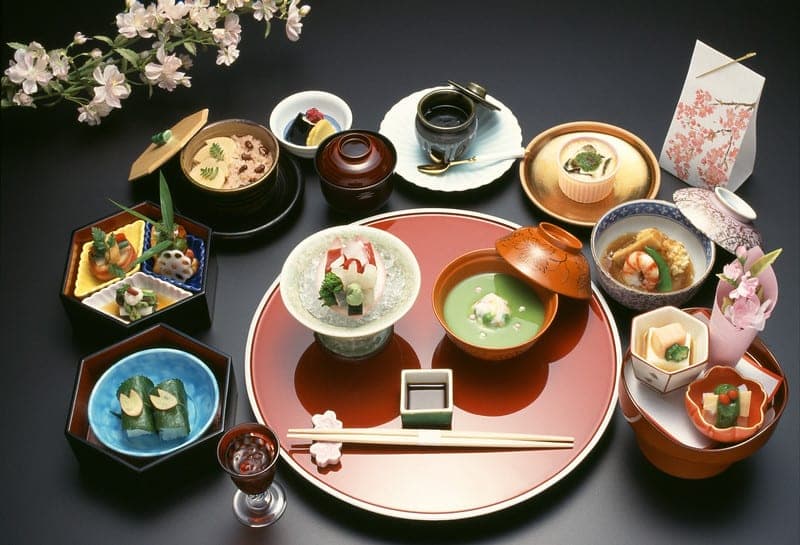
A note on kaiseki: this is not merely dinner. It is a progression of 8–14 courses, each calibrated to the season, each presented on ceramics selected specifically for that dish, each embodying the Japanese concept of “shun”—the precise moment when an ingredient reaches its peak. The sakizuke (appetiser) sets the seasonal tone. The hassun establishes the chef’s artistry. The mukozuke (sashimi) showcases the purest expression of the ocean. And so it continues—takiawase, yakimono, gohan, mizumono—each course a meditation on what it means to eat in harmony with the natural world.

The Selection

Gora Kadan - Hakone, Kanagawa Prefecture
01

Gora Kadan

The Imperial Summer Villa

Hakone, Kanagawa Prefecture500+ years of history

$$$$$

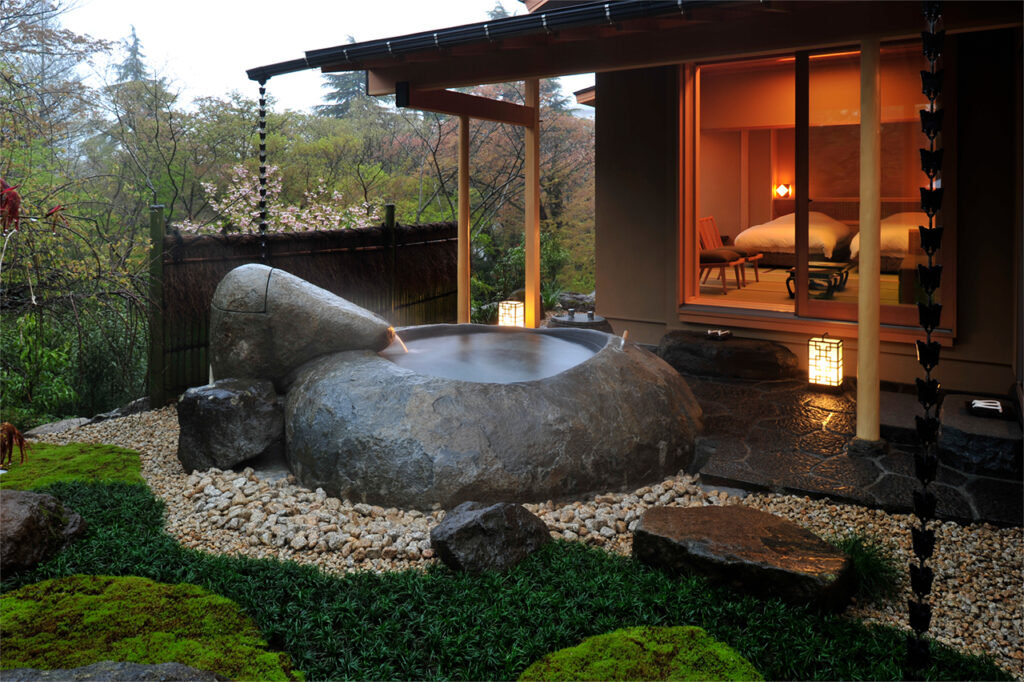
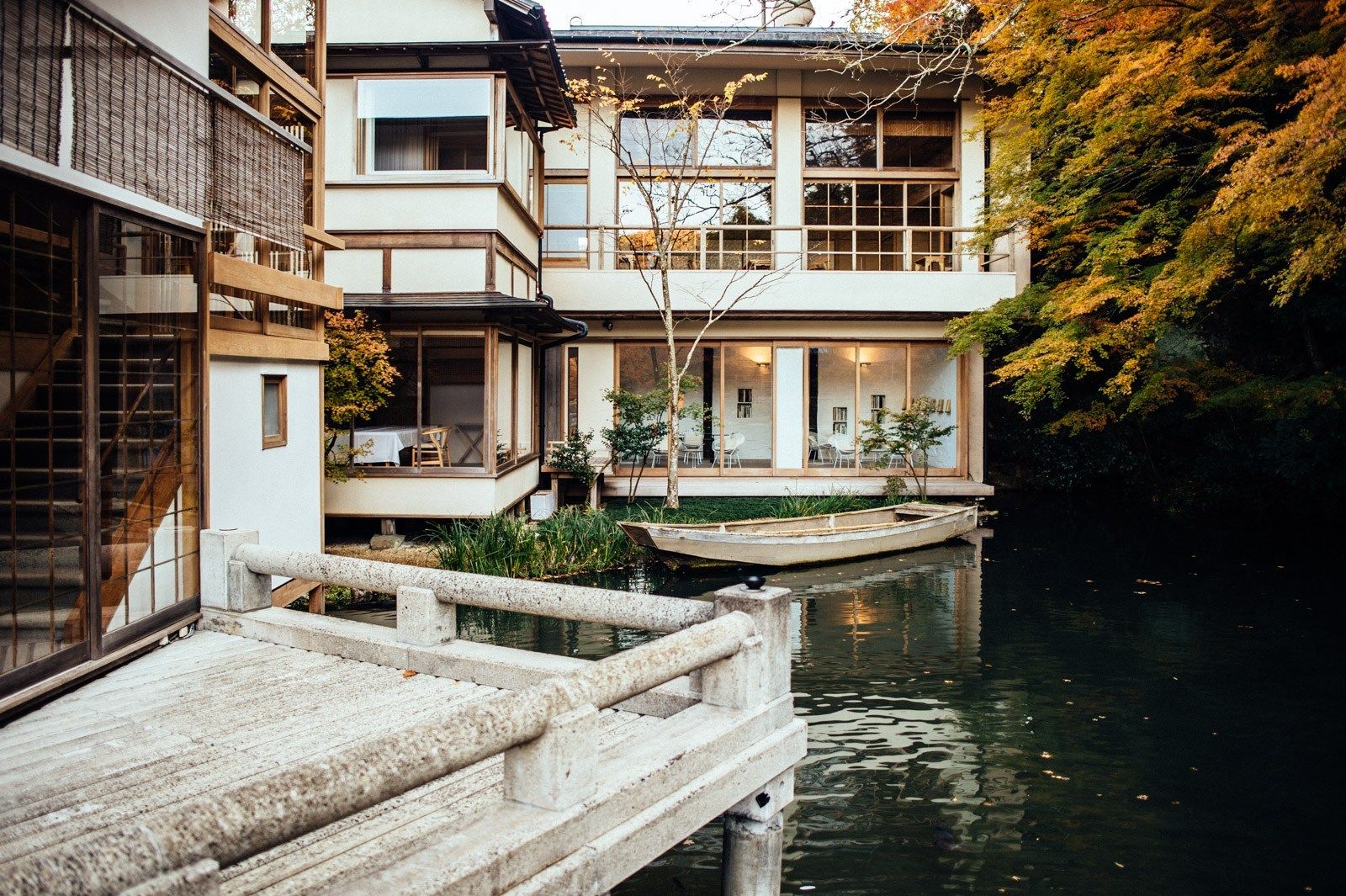
Gora Kadan occupies the former summer villa of the Kan’in-no-miya imperial family, and this provenance infuses every aspect of the experience. The 39 rooms and suites are spread across manicured gardens that date to the Muromachi period, each with a private onsen fed by Hakone’s mineral-rich volcanic springs.

The Bettei Suite Akatsuki (¥205,000 per person/night) is the property’s crown: a standalone pavilion with its own garden, open-air bath, and tatami living space that feels less like a hotel room and more like a private estate. The Bettei Suite Akebono (¥141,500 per person/night) offers a similar intimacy at a slightly gentler price point, with a cypress bath overlooking a private moss garden.

The kaiseki here is extraordinary—a nightly progression that draws on Hakone’s mountain ingredients and Sagami Bay’s seafood, presented on ceramics that are themselves museum pieces. The communal onsen, fed by three distinct spring sources, includes an open-air bath carved into the mountainside where you soak beneath maple canopy that ignites crimson in autumn.

Gora Kadan is the ryokan against which all others are measured. The imperial provenance, the garden, the kaiseki, and the location—90 minutes from Tokyo—make it the essential first ryokan experience for any serious traveller.

Book it for: The autumn maple season (November) and the spring cherry blossom overlap with the garden’s peak beauty.
Asaba - Shuzenji, Shizuoka Prefecture
02

Asaba

335 Years and a Floating Noh Stage

$$$$$ · Shuzenji, Shizuoka Prefecture

Asaba is the ryokan that other ryokan owners visit when they want to remember why they entered this profession. Founded in 1675, with only 17 rooms, it represents the most distilled expression of the form: every room has a private hot spring bath, the 1,983m² garden centres on a tranquil pond, and the service is so intuitive that requests feel redundant.

The defining feature is the Noh stage—a traditional performance platform that appears to float on the garden pond, dating to the Meiji period. Regular Noh performances transform the garden into an open-air theatre, the ancient masks and robes reflected in the still water as the drama unfolds. It is, without exaggeration, one of the most beautiful performance spaces in Japan.

Kaiseki at Asaba is served in four exclusive dining rooms, each seating no more than a handful of guests. The cuisine emphasises Izu Peninsula ingredients—wasabi grown in mountain streams, local Kinmedai (golden-eye snapper), mountain vegetables foraged from surrounding forests. Rates range from ¥90,000 to ¥180,000 per person per night. Adults only (guests must be 6+).

Asaba is the connoisseur’s ryokan—the property that Japanese hospitality professionals themselves consider the benchmark. The Noh stage alone makes it unlike any other accommodation on Earth.

Amanemu - Ise-Shima National Park, Mie Prefecture
03

Amanemu

Aman’s Ryokan Interpretation

$$$$$ · Ise-Shima National Park, Mie Prefecture

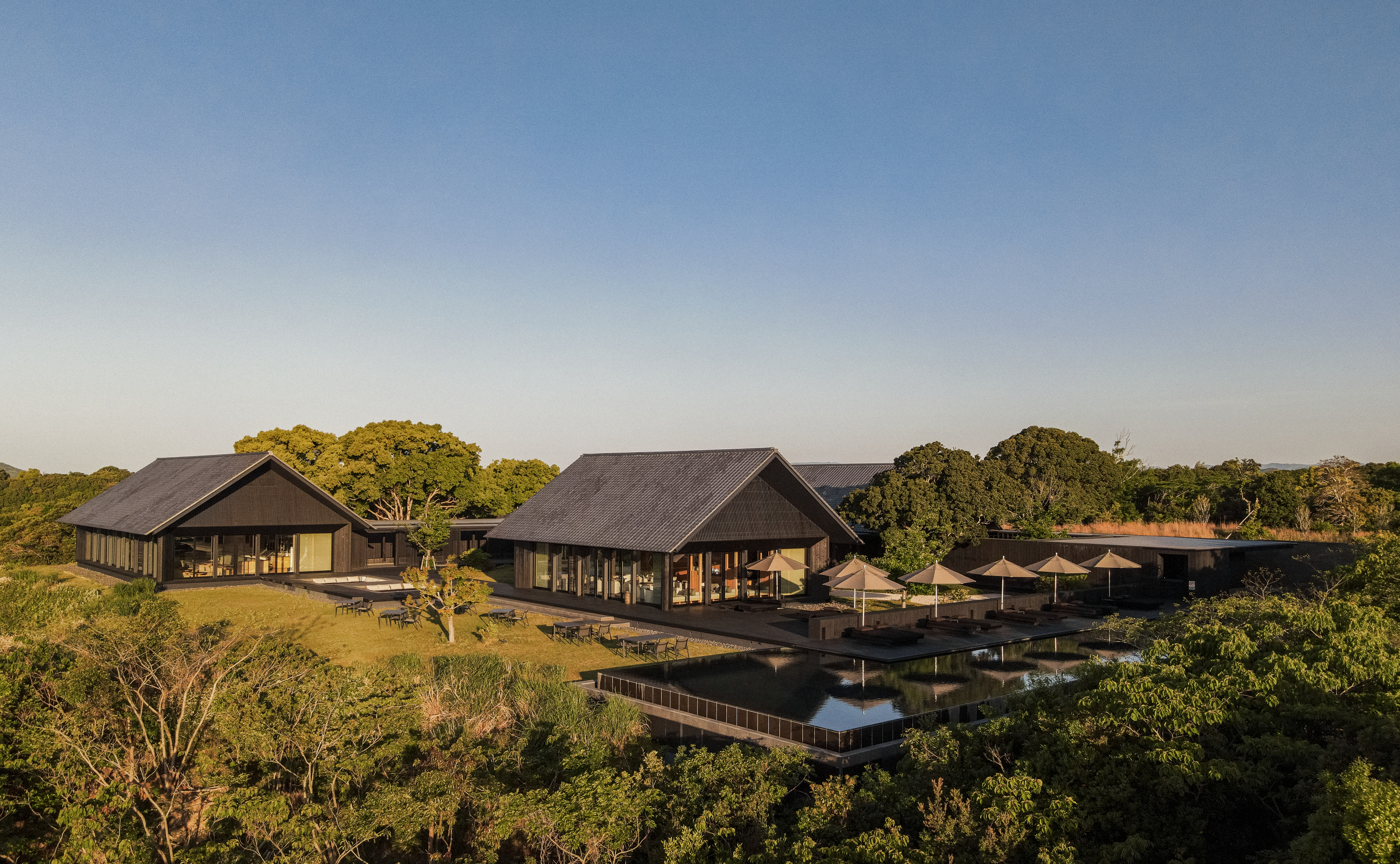
Amanemu is what happens when Aman’s philosophy of serene minimalism meets the Japanese ryokan tradition. The name combines “Aman” (peace) with “nemu” (joy), and the 24 suites and villas—each with private onsen baths fed by the resort’s own thermal spring—deliver on both promises.

Set within Ise-Shima National Park on the Kii Peninsula, the property overlooks Ago Bay, famous for its pearl cultivation (Mikimoto’s original pearl farm is nearby). The architecture draws on traditional Japanese forms—low-slung pavilions, sliding shoji screens, natural timber and stone—but the spaces are unmistakably Aman: generous, uncluttered, designed to frame the landscape rather than compete with it.

Experiences include private pearl diving with local ama divers (a tradition spanning 3,000 years), visits to the Ise Grand Shrine (Japan’s most sacred Shinto site, rebuilt every 20 years), and a 2,000m² spa with thermal bathing circuits. Rates from approximately ¥250,000+ per night ($1,685–$1,941). Two-night minimum. Helicopter access available from Osaka or Nagoya.

Amanemu bridges the gap between ryokan tradition and international luxury travel. For guests who want the onsen and kaiseki experience without the sometimes rigid formality of a traditional ryokan, this is the answer.

Beniya Mukayu - Kaga Onsen, Ishikawa Prefecture
04

Beniya Mukayu

Contemporary Zen Luxury

$$$$ · Kaga Onsen, Ishikawa Prefecture

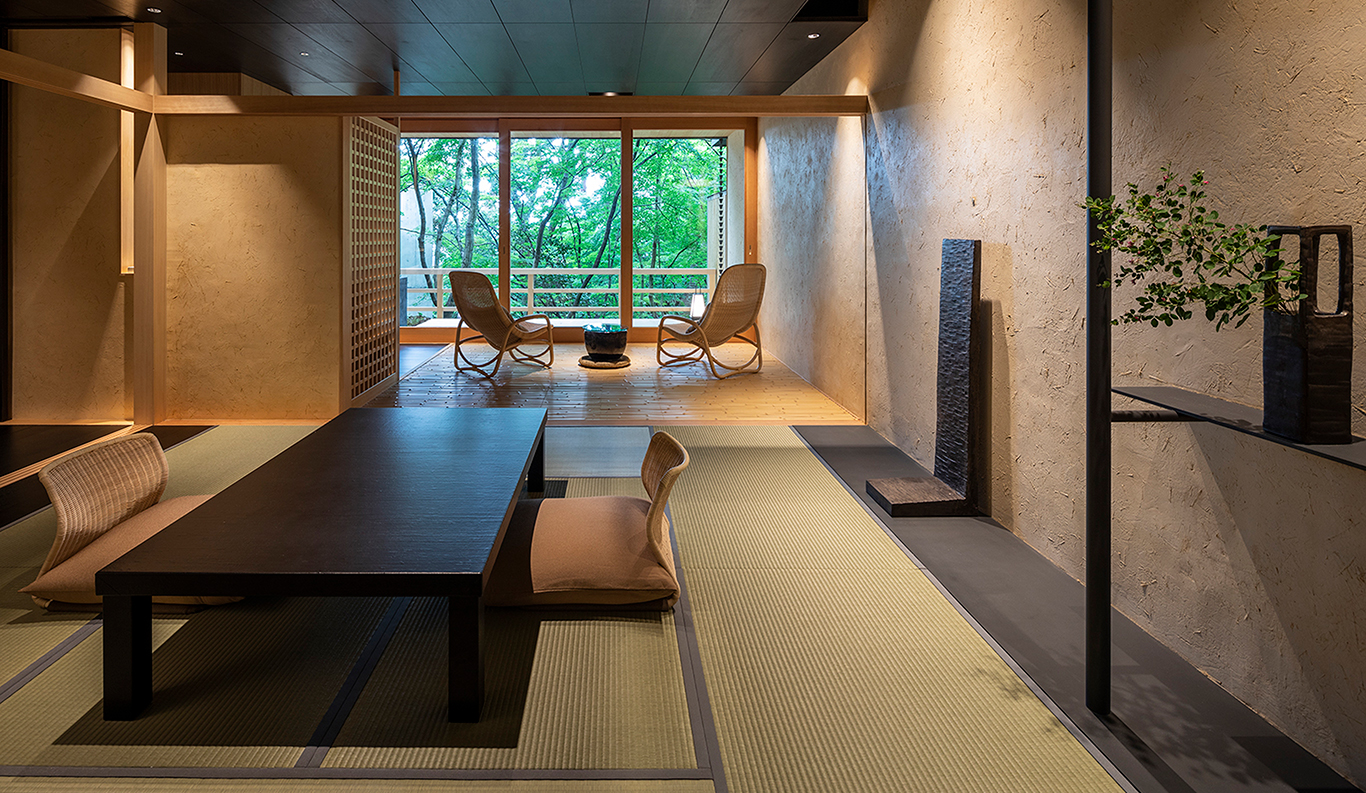
The name means “without equal,” and among Japan’s contemporary ryokans, Beniya Mukayu justifies the claim. Just 16 rooms, each with a private open-air bath overlooking forested ravines, in a property that represents the most sophisticated marriage of traditional ryokan culture and modern design sensibility.

The architecture is a revelation: clean lines and floor-to-ceiling glass bring the forest inside, while natural materials—local stone, aged timber, handmade washi paper—root the spaces in their Ishikawa context. The Byakuroku Terrace Suite (¥114,950 per person/night) offers an expansive terrace with an open-air hinoki cypress bath that feels suspended in the forest canopy.

The onsen town of Yamashiro, one of Japan’s oldest hot spring settlements, surrounds the property. Guests can explore its traditional public bathhouses and ceramics studios. Kanazawa—home to Kenroku-en garden and the 21st Century Museum of Contemporary Art—is just 30 minutes away, making Beniya Mukayu an ideal pairing with one of Japan’s most culturally rich cities.

Beniya Mukayu proves that the ryokan tradition is not frozen in amber. This is the property for design-literate travellers who want the onsen and kaiseki ritual wrapped in genuinely contemporary architecture.

Zaborin - Hanazono, Niseko, Hokkaido
05

Zaborin

To Sit and Forget Amongst the Woods

$$$$ · Hanazono, Niseko, Hokkaido

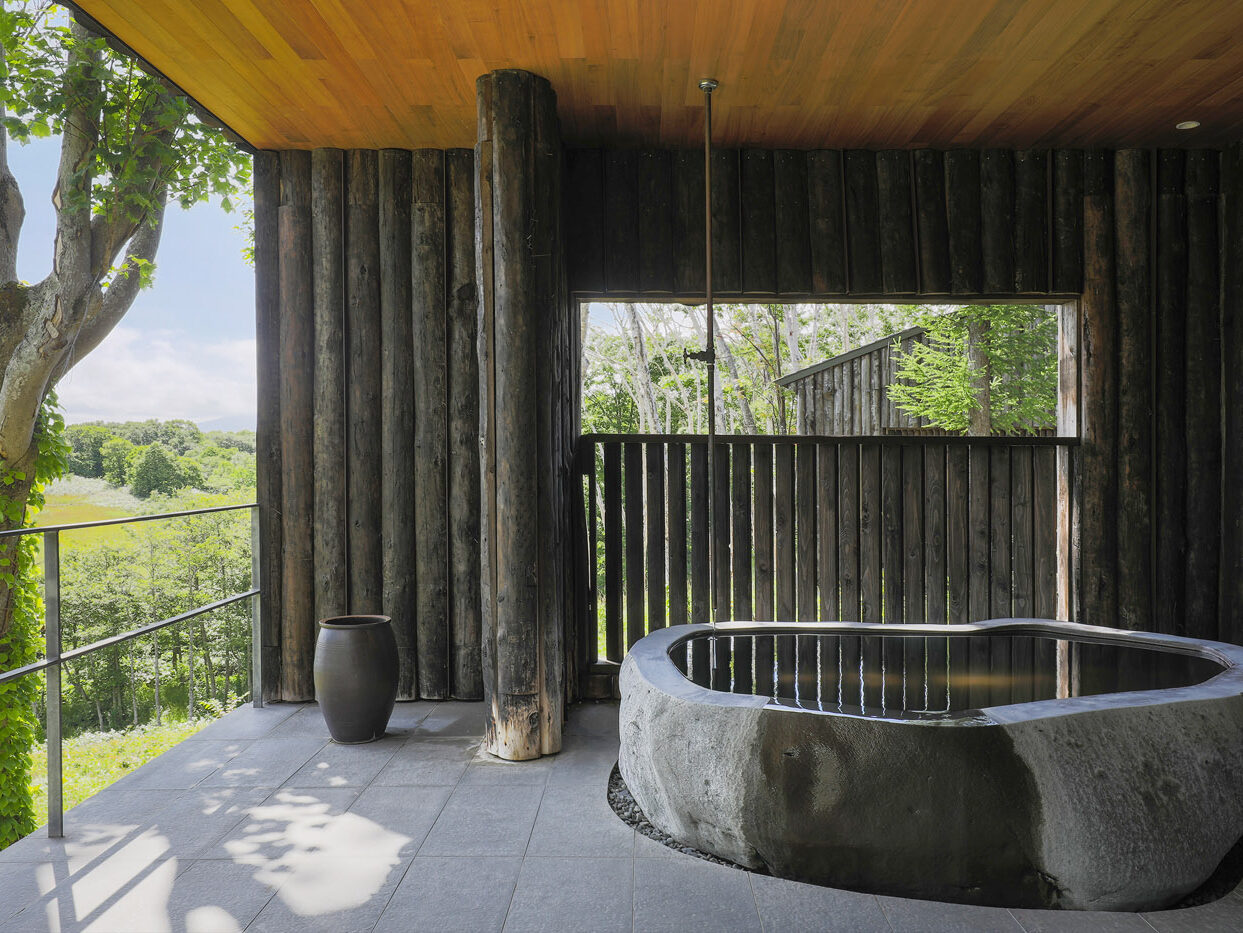
The name translates as “to sit and forget amongst the woods,” and Zaborin delivers on this promise with 15 private villas hidden in Hanazono’s birch and oak forest. Each villa features both an indoor and outdoor onsen, fed by the property’s own free-flowing volcanic spring—no recycled water, no additives, just mineral-rich thermal water at source.

In winter, Zaborin becomes a ski lodge of extraordinary refinement: the forest turns white, the outdoor onsen steam rises against snow-laden branches, and Niseko’s legendary powder is minutes away. In summer, the landscape transforms into rolling green, with hiking, cycling, and rafting replacing the skis.

The “Kita Kaiseki” cuisine is Zaborin’s culinary signature—a Hokkaido interpretation of the traditional form that emphasises the island’s exceptional seafood (uni, crab, scallops from Shakotan), dairy (Hokkaido produces Japan’s finest), and mountain ingredients. At approximately $1,252 per night, it represents remarkable value in the ultra-luxury ryokan category. Sapporo is approximately 2 hours by car.

Zaborin is the only ultra-luxury ryokan in Hokkaido’s premier resort area, making it the rare property that is equally compelling in winter and summer. The year-round natural hot spring is unmatched in the Niseko region.

Hoshinoya Kyoto - Arashiyama, Kyoto
06

Hoshinoya Kyoto

Arrival by Boat Only

$$$$ · Arashiyama, Kyoto

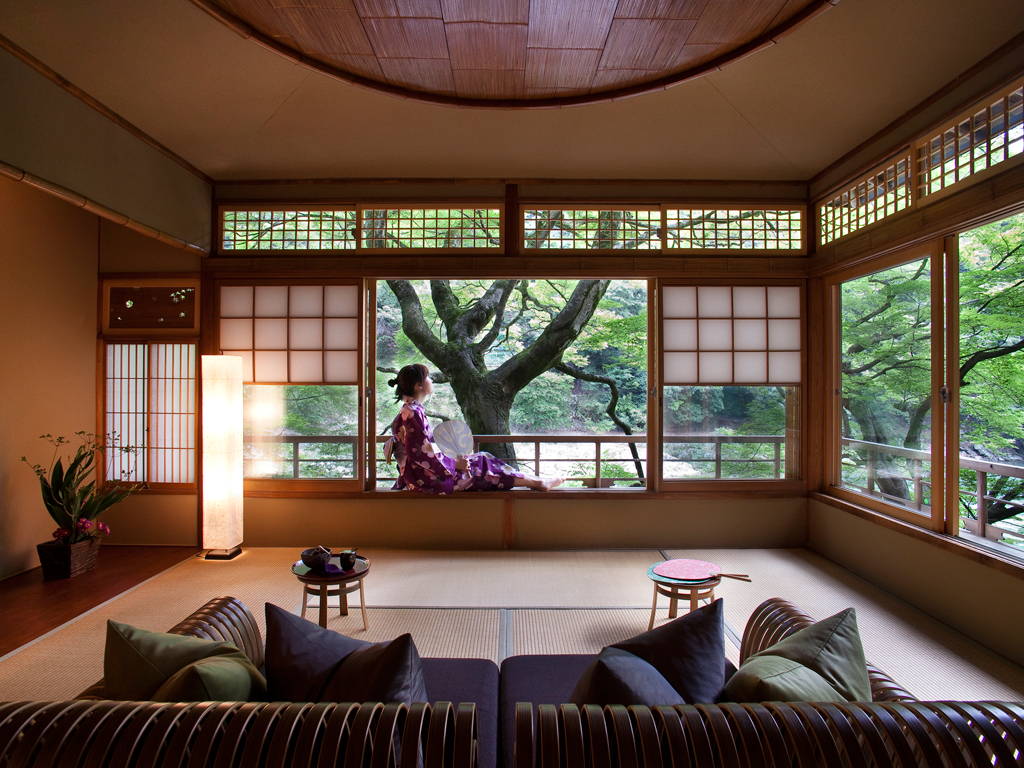
The journey begins at Togetsukyo Bridge, where a private boat carries you upriver through Arashiyama’s bamboo-lined gorge to a property that has been welcoming guests since the Heian period. The 25 rooms occupy a series of traditional machiya-style buildings that cascade down the hillside above the Oi River, each oriented to frame the gorge’s dramatic seasonal transformations.

Hostinoya’s genius is in distilling the ryokan experience for contemporary travellers while maintaining absolute authenticity. Morning meditation sessions, incense-making workshops, and sake-tasting evenings complement the architectural beauty. The boat-only access creates a psychological threshold—the sense of leaving the modern world behind as you glide upriver.

Two-night minimum stay at approximately ¥100,000 per person per night. The property’s relationship with the river is total: the exclusive houseboat “Hisui” offers private dinner cruises through the gorge, and the summer cormorant fishing viewing from the water is one of Kyoto’s most evocative experiences.

The boat-only access and Arashiyama location make Hoshinoya Kyoto the most atmospheric ryokan experience in Japan’s most culturally significant city. The two-night minimum ensures guests surrender to the rhythm rather than rushing through.

Hoshinoya Taketomi Island - Taketomi Island, Okinawa
07

Hoshinoya Taketomi Island

Where Ryokan Meets Ryukyu

$$$$ · Taketomi Island, Okinawa

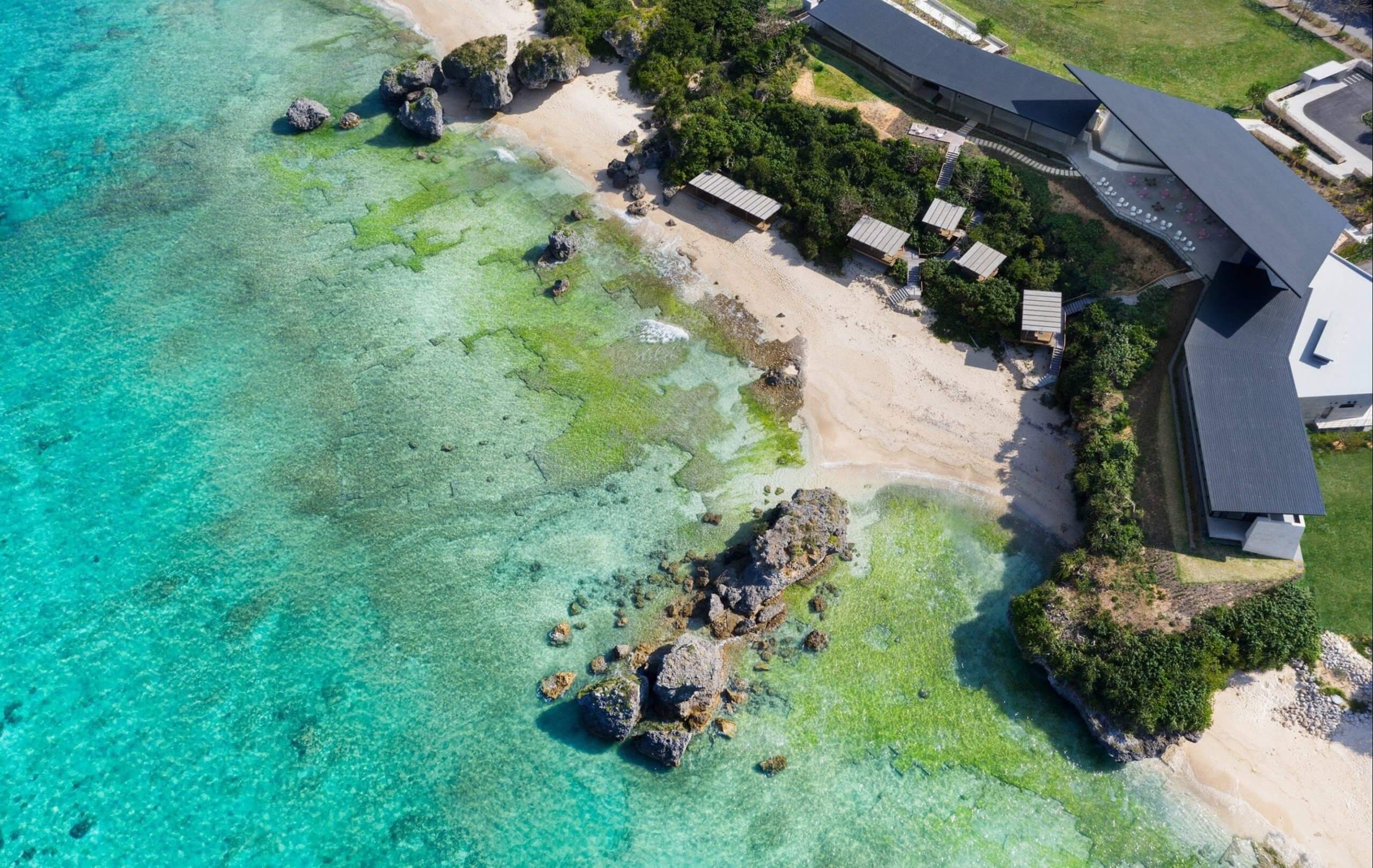
On a tiny coral island 10 minutes by boat from Ishigaki, Hoshinoya Taketomi Island reimagines the ryokan concept through the lens of Ryukyu culture—the unique civilisation of Japan’s subtropical southern islands. Traditional red-tile villas line crushed coral pathways, behind fossilised limestone walls draped in bougainvillea.

This is not the Japan of tatami and shoji screens. This is tropical Japan: turquoise waters, water buffalo plodding through sandy streets, nights illuminated by southern constellations invisible from the mainland. The villas blend Okinawan architectural tradition with contemporary comfort, and the spa programmes draw on Ryukyu wellness traditions rather than mainland onsen culture.

From ¥112,000 per room; wellness packages from ¥155,000 per person. The dining showcases Okinawan ingredients—goya, purple sweet potato, umibudo (sea grape), Ishigaki beef—in preparations that honour both kaiseki structure and Ryukyu culinary identity. The island’s population of just over 300 ensures an intimacy that feels closer to a private island than a hotel.

Hoshinoya Taketomi Island is the essential counterpoint to mainland ryokans—proof that Japan’s hospitality tradition extends far beyond Kyoto and Hakone into cultures and landscapes that most visitors never discover.

Via Privata Advantage

Insider Access

  • +

    Priority allocation at Gora Kadan Bettei Suites during peak maple and cherry blossom seasons

  • +

    Exclusive Noh performance scheduling at Asaba for private group bookings

  • +

    Helicopter transfer coordination for Amanemu from Osaka or Nagoya

  • +

    Multi-ryokan circuit planning with seamless luggage forwarding between properties

  • +

    Private ama pearl diving experiences at Amanemu booked outside regular guest allocation

Timing

When to Book

Japan’s ryokan seasons peak during cherry blossom (late March–mid April) and autumn foliage (mid November–early December). Gora Kadan and Asaba book 6–9 months ahead for these periods. Amanemu’s two-night minimum and 24-suite inventory mean year-round advance booking of 3–6 months is advisable. Zaborin’s winter ski season (December–March) requires 4–6 months. Hoshinoya Kyoto’s 25 rooms and two-night minimum create consistent demand—book 4–6 months ahead regardless of season. For a multi-ryokan circuit, we recommend beginning planning 9–12 months in advance to secure optimal room categories at each property.

Want this itinerary?

Our team will craft a personalized version tailored to your travel dates, preferences, and budget.

Plan This Trip
Plan This Trip