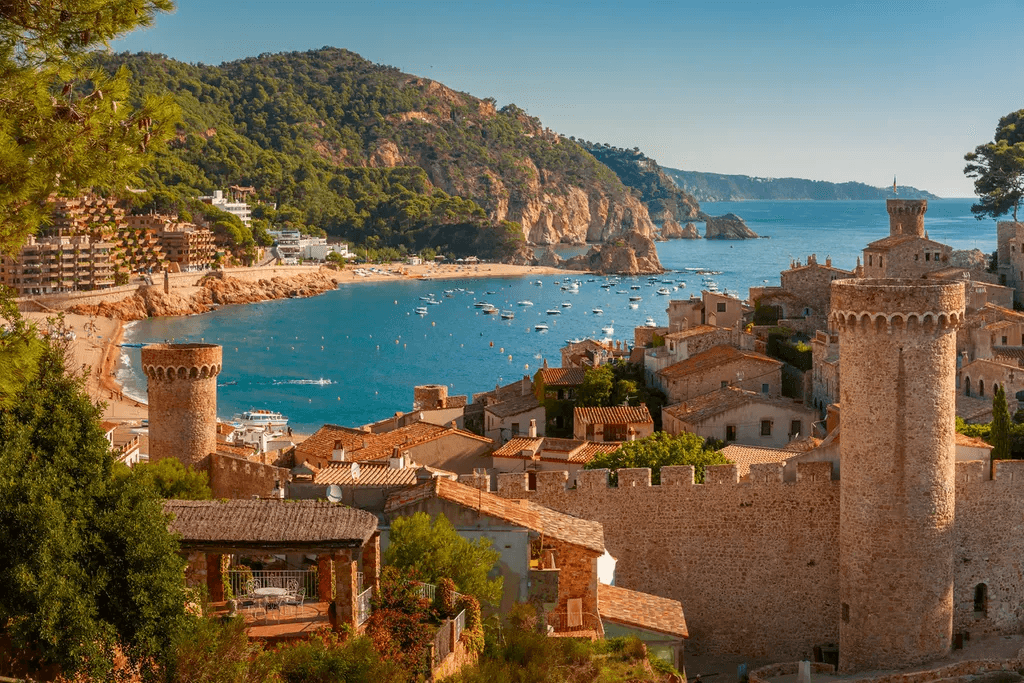
Luxury hotels in Spain
Insider access and bespoke itineraries, at the hotel's own rate
Where to stay in Spain
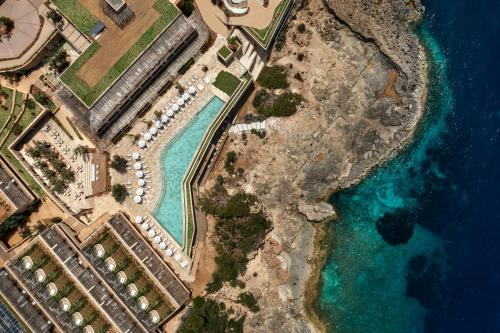
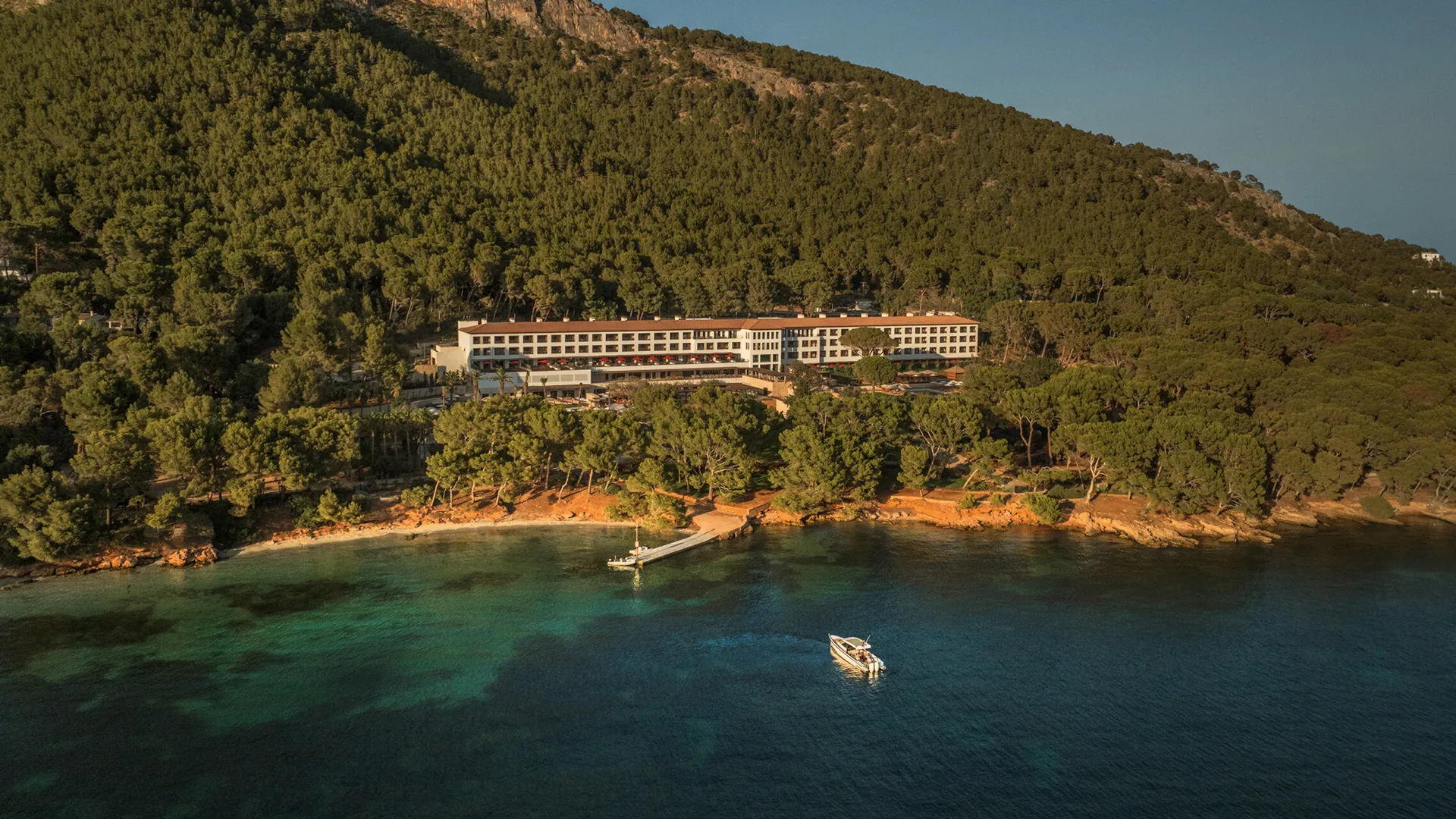
In Madrid I would stay at the Mandarin Oriental Ritz for palace grandeur facing the Prado; in San Sebastián, at Hotel Villa Soro, an 1898 villa, for the food; and on Ibiza, at Six Senses Ibiza for the quiet north coast. We have stayed at and reviewed the first two.
Spain has quietly become one of Europe's most exciting luxury-hotel countries, and Madrid is the reason. Within a few years the capital has gained a cluster few cities can match: the 1910 Hotel Ritz reborn in April 2021 as the Mandarin Oriental Ritz after a three-year restoration, facing the Prado; the storied Villa Magna reborn in October 2021 as Rosewood's Spanish debut on the Paseo de la Castellana; and Philippe Starck's Brach Madrid bringing Evok's maximalist design to the Gran Vía. Add Four Seasons on Calle de Sevilla and the city now rivals Paris for palace-grade choice.
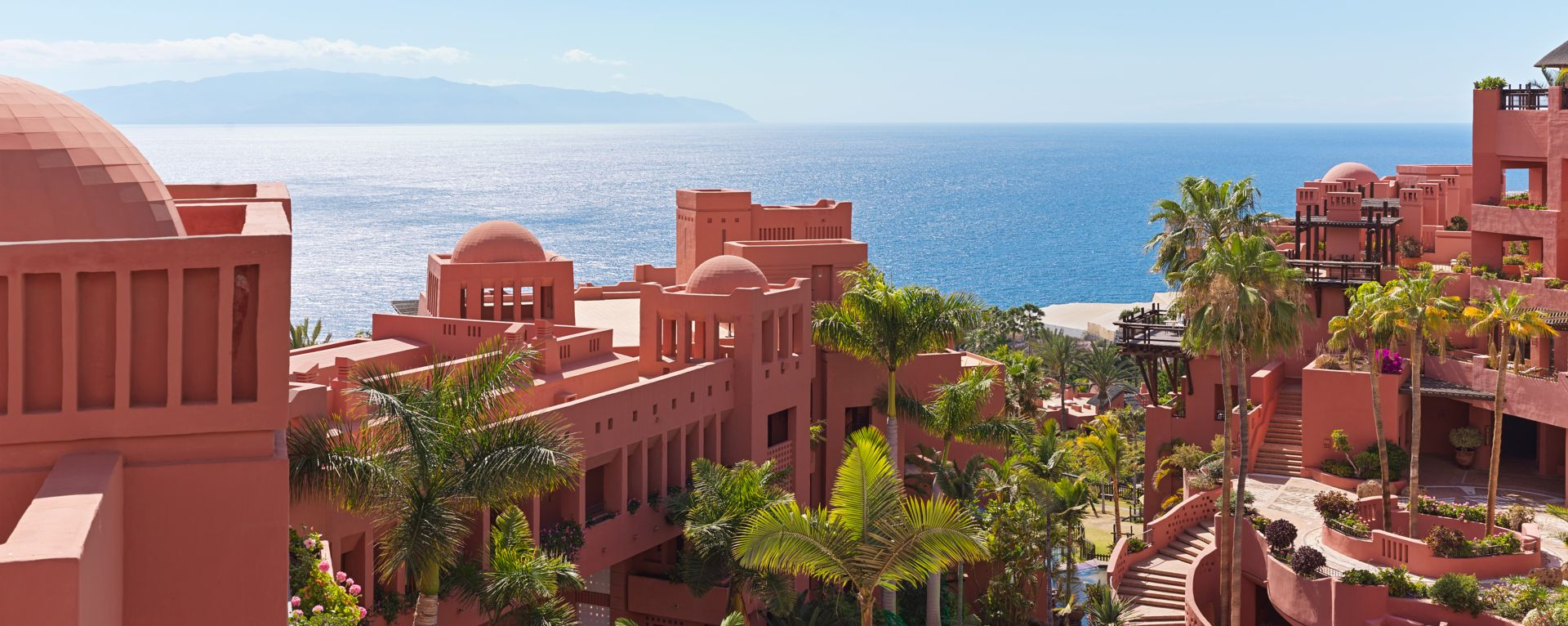
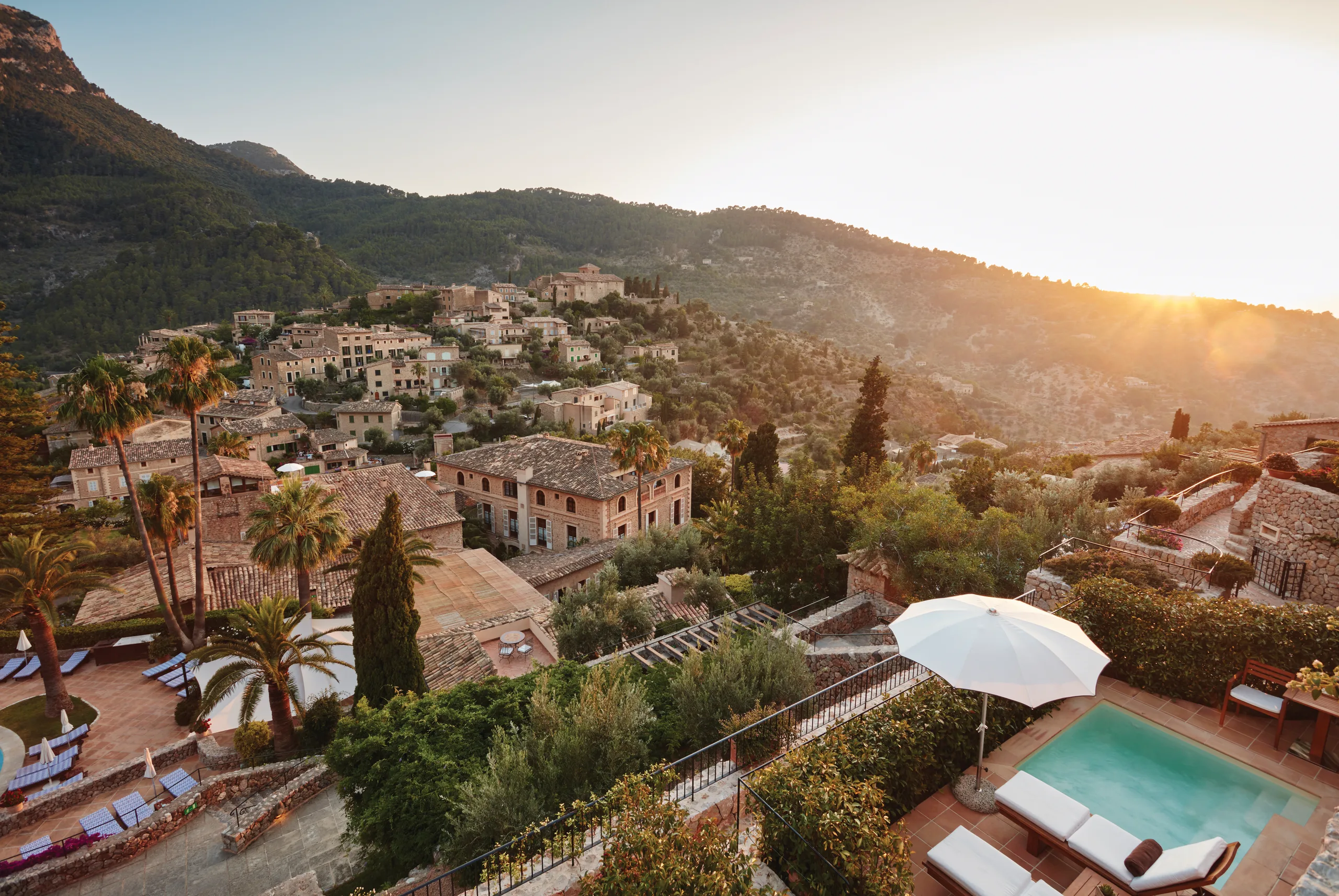
Beyond the capital, each region offers something completely different. Barcelona has Patricia Urquiola's Mandarin Oriental on Passeig de Gràcia; San Sebastián, where the city's tourism board says only Kyoto has more Michelin stars per square kilometre, pairs that food scene with the 1898 villa charm of Hotel Villa Soro; Córdoba has Hospes Palacio del Bailío, a palace raised over the remains of a Roman house; Six Senses Ibiza holds the island's tranquil north coast; Mallorca hides Belmond La Residencia in the artists' village of Deià; and the Costa del Sol runs from Finca Cortesín's Andalusian estate to the 1954 glamour of the Marbella Club.
This is a country we cover first-hand — we have stayed at and reviewed six of Spain's finest hotels, from the Madrid palaces and Barcelona to the Basque coast and Córdoba. We sequence the route (the AVE high-speed rail makes Madrid–Barcelona effortless), arrange private Prado and Alhambra guides, and add preferred-partner benefits to every stay — at the same rate you would pay booking direct.
Hotels in Spain we have stayed at
Brach Madrid
Madrid, Spain · First-hand review, 2026
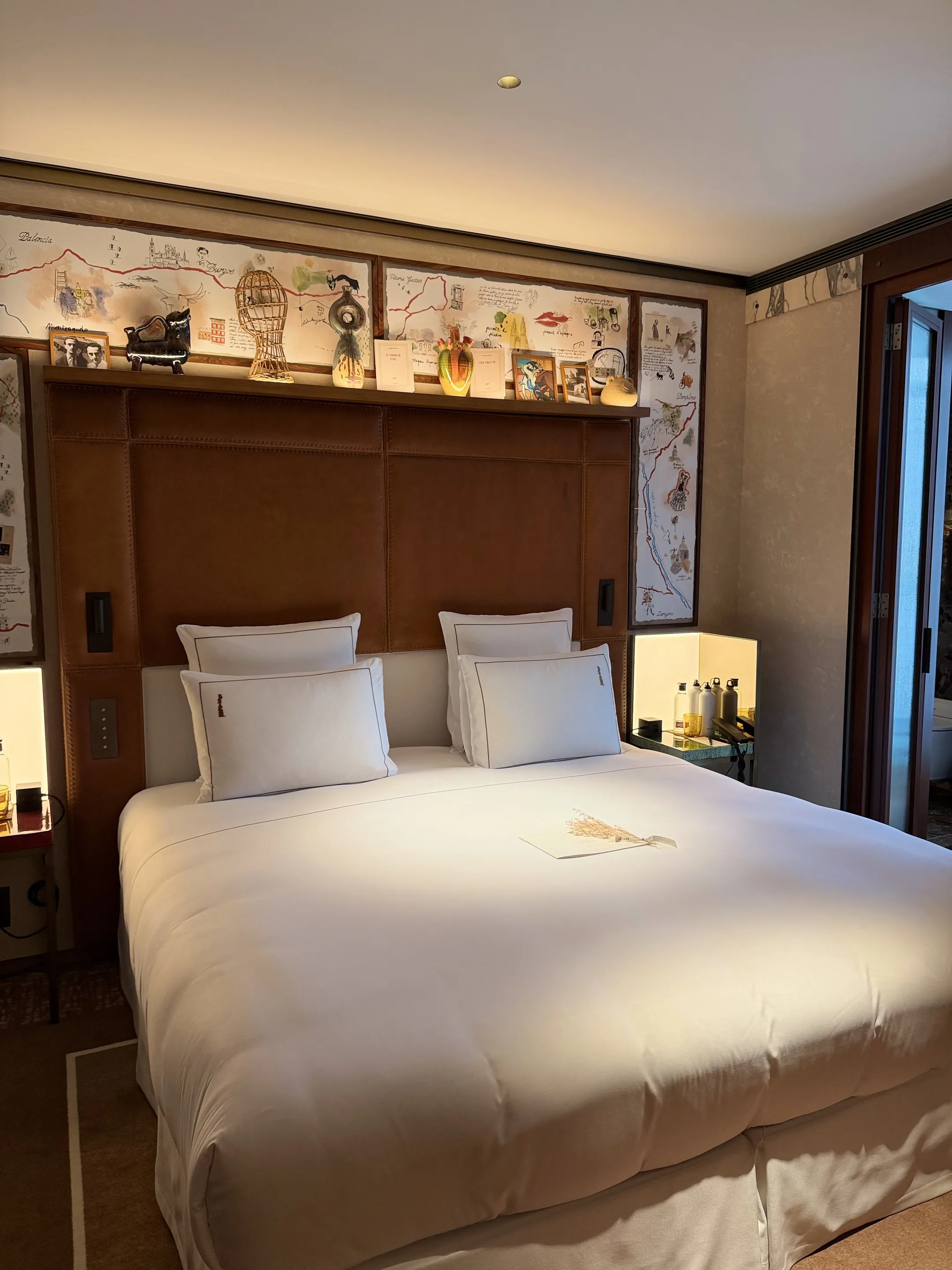
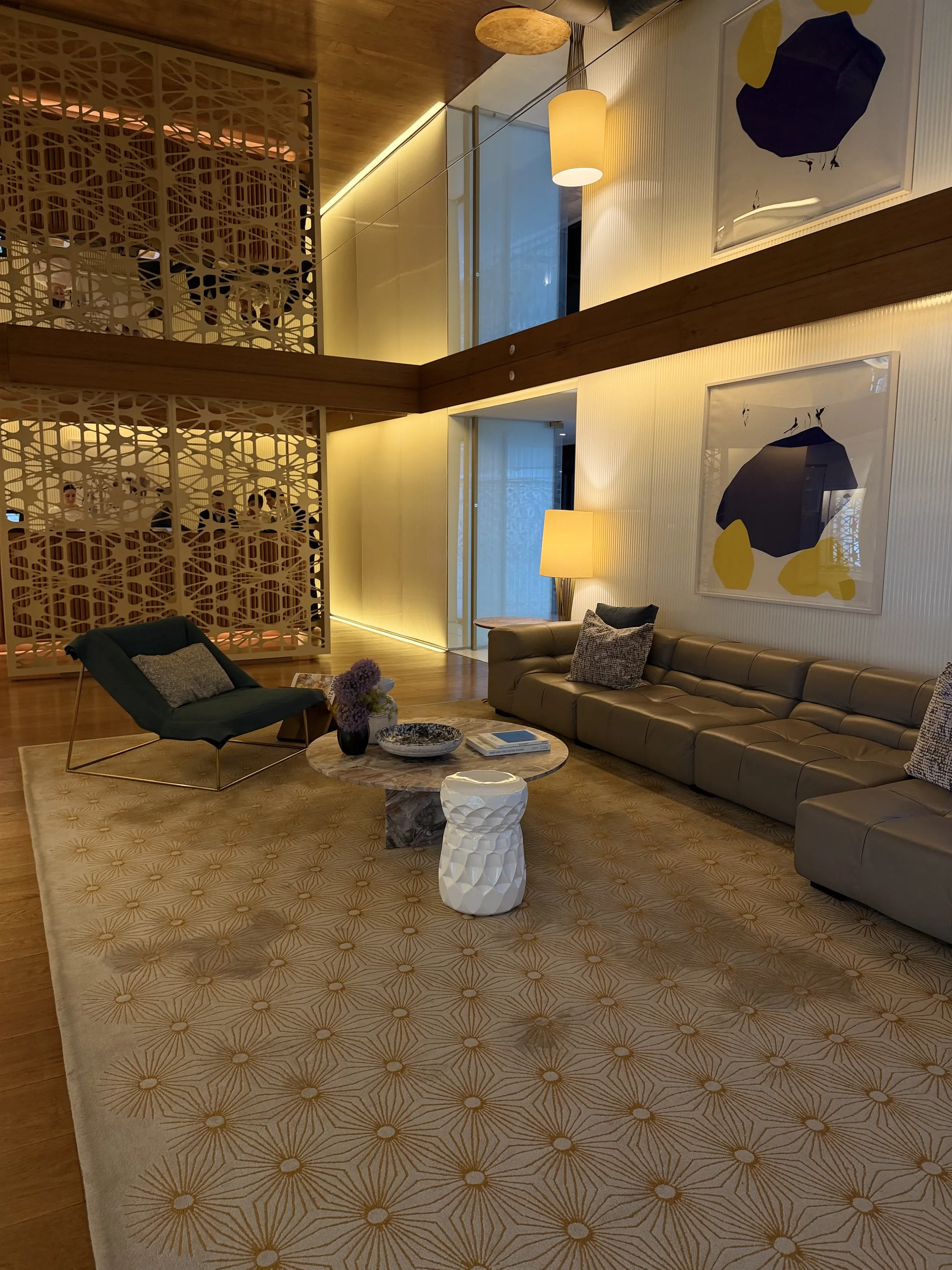
Brach Madrid fills a 1922 building on Gran Vía, the busiest and most theatrical street in Madrid, and inside it Starck has built the apartment of an imaginary Spanish collector: art books stacked to the ceiling, paintings hung frame to frame, odd and lovely objects on every shelf.
Mandarin Oriental, Barcelona
Barcelona, Spain · First-hand review, 2026
Passeig de Gràcia is the street people come to Barcelona to walk along, lined with Gaudí's Casa Batlló, La Pedrera and the flagship shops of every fashion house worth the name.
Mandarin Oriental Ritz, Madrid
Madrid, Spain · First-hand review, 2026
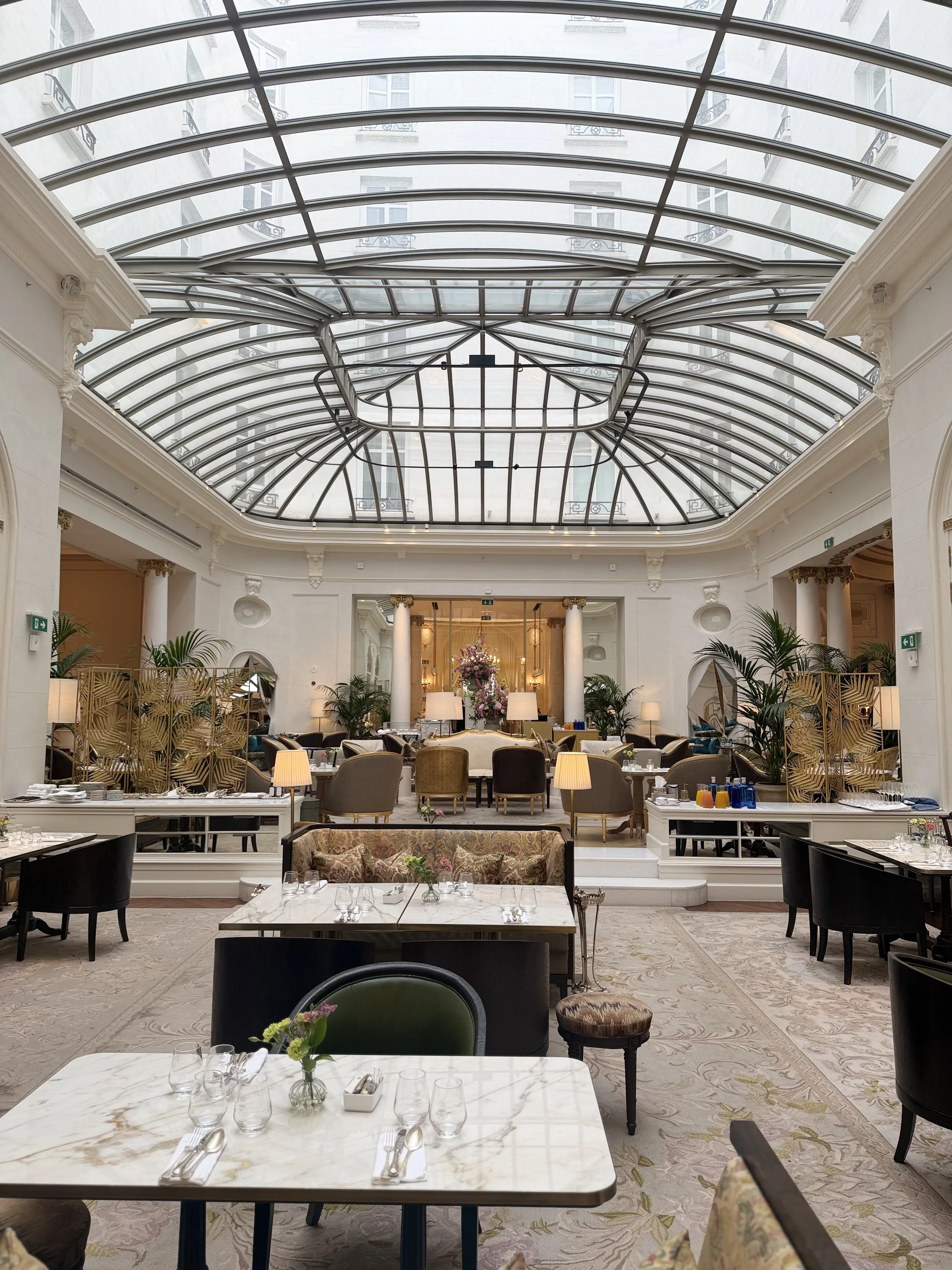
The Ritz has stood on the Plaza de la Lealtad, across the road from the Prado, since 1910, when it opened to plans by Charles Mewès, the architect of the Ritz in Paris.
Rosewood Villa Magna
Madrid, Spain · First-hand review, 2026
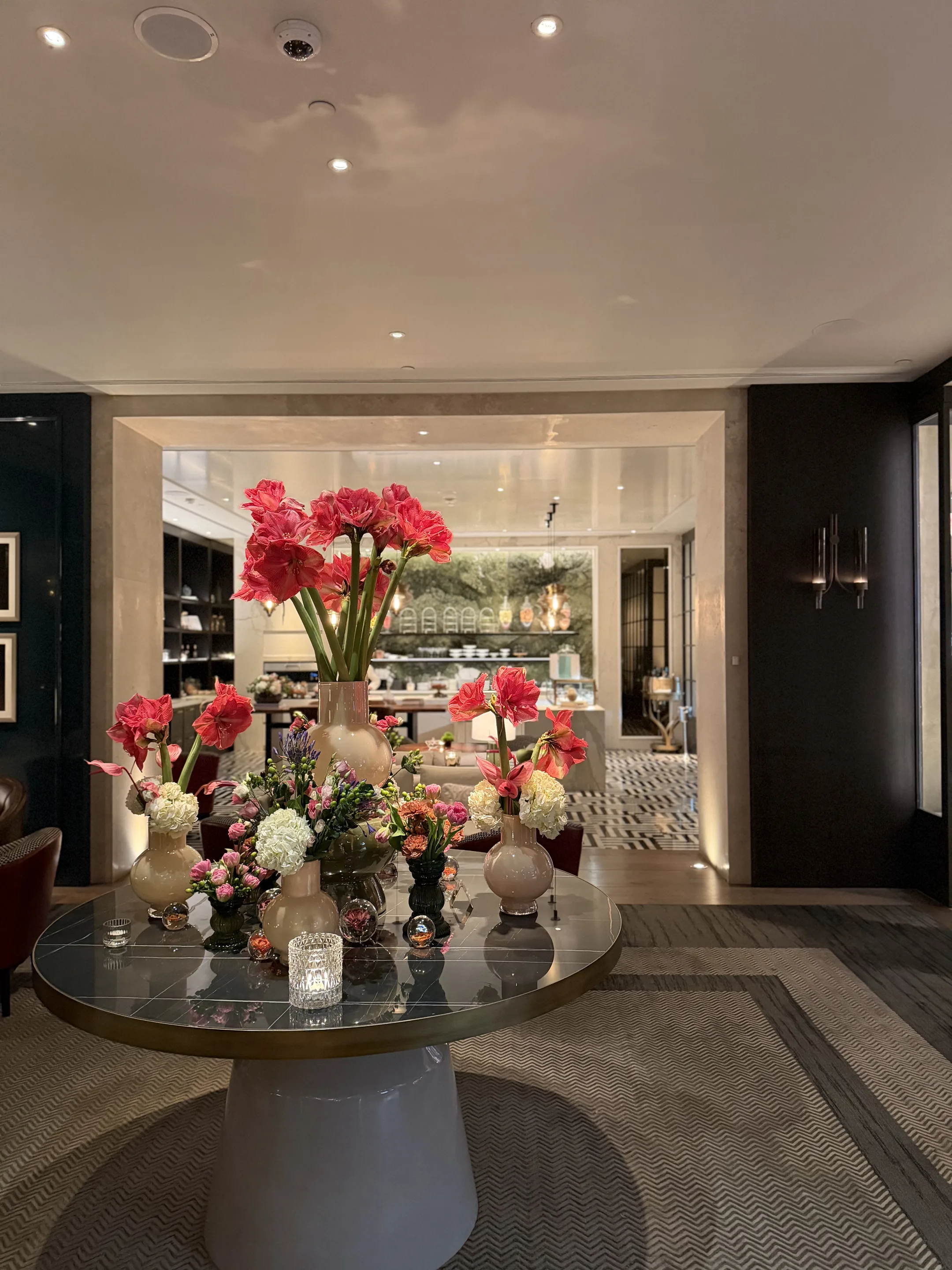
We stayed in three hotels in Madrid, and the one we would go back to is the one that felt least like a hotel.
Hotel Villa Soro
San Sebastián, Spain · First-hand review, 2026
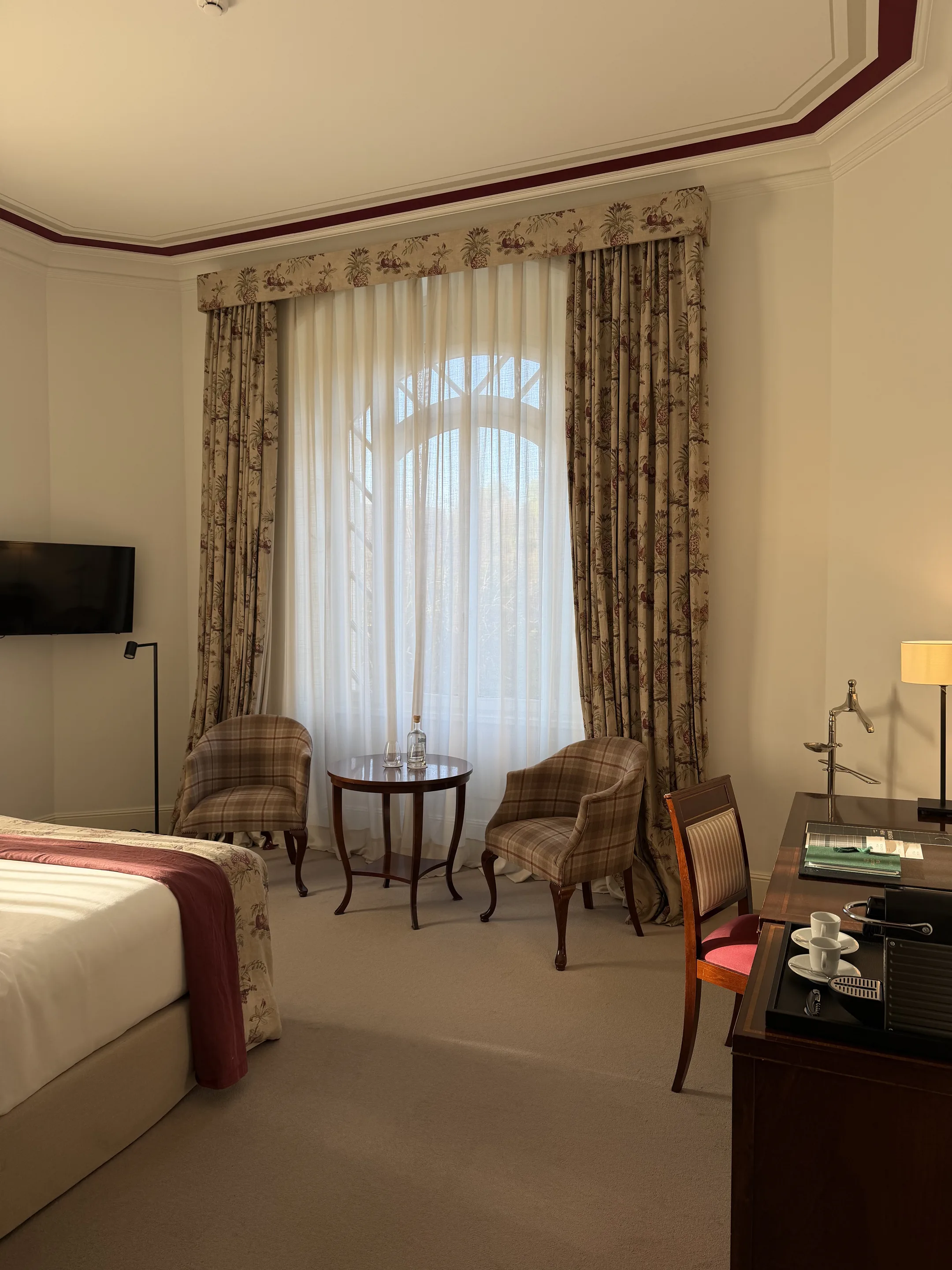
San Sebastián is a city people visit to eat, and most of them stay as close to the old town's bars as they can. Hotel Villa Soro asks you to stay a little further out, in a 19th-century family house in its own garden on the eastern side of the city, and to walk in for dinner.
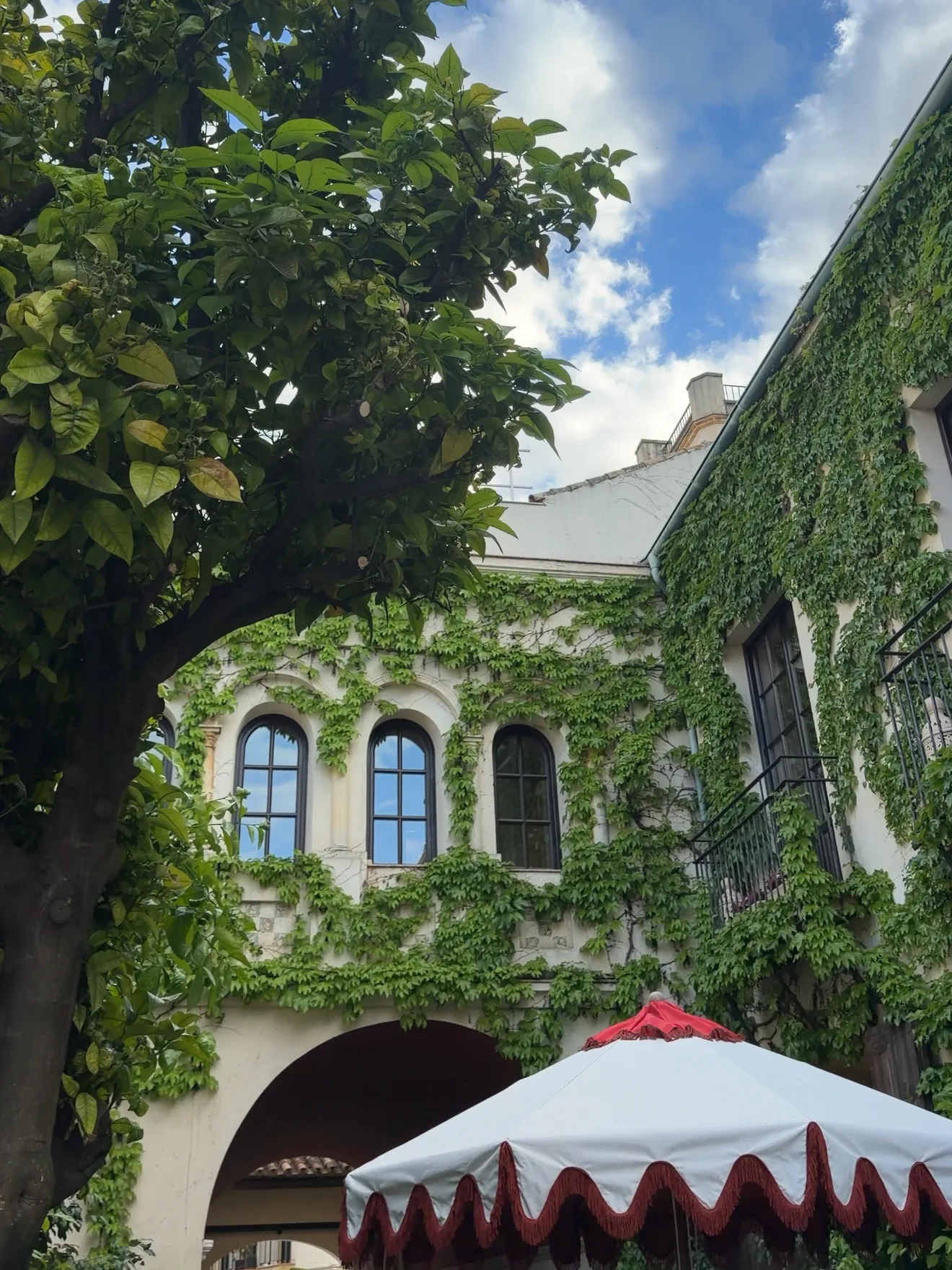
Hospes Palacio del Bailío
Córdoba, Spain · First-hand review, April 2026
Córdoba builds on what came before and rarely clears it away. Its great mosque, begun in the 780s, still surrounds the cathedral raised at its centre. Hospes Palacio del Bailío is that instinct in miniature.
Which hotels we recommend in Spain
In Madrid
Brach Madrid
Madrid · $$$$
Philippe Starck's maximalist design hotel on Gran Vía — the Evok Collection's Spain debut, part 1920s café, part collector's apartment, with a downstairs pool and spa
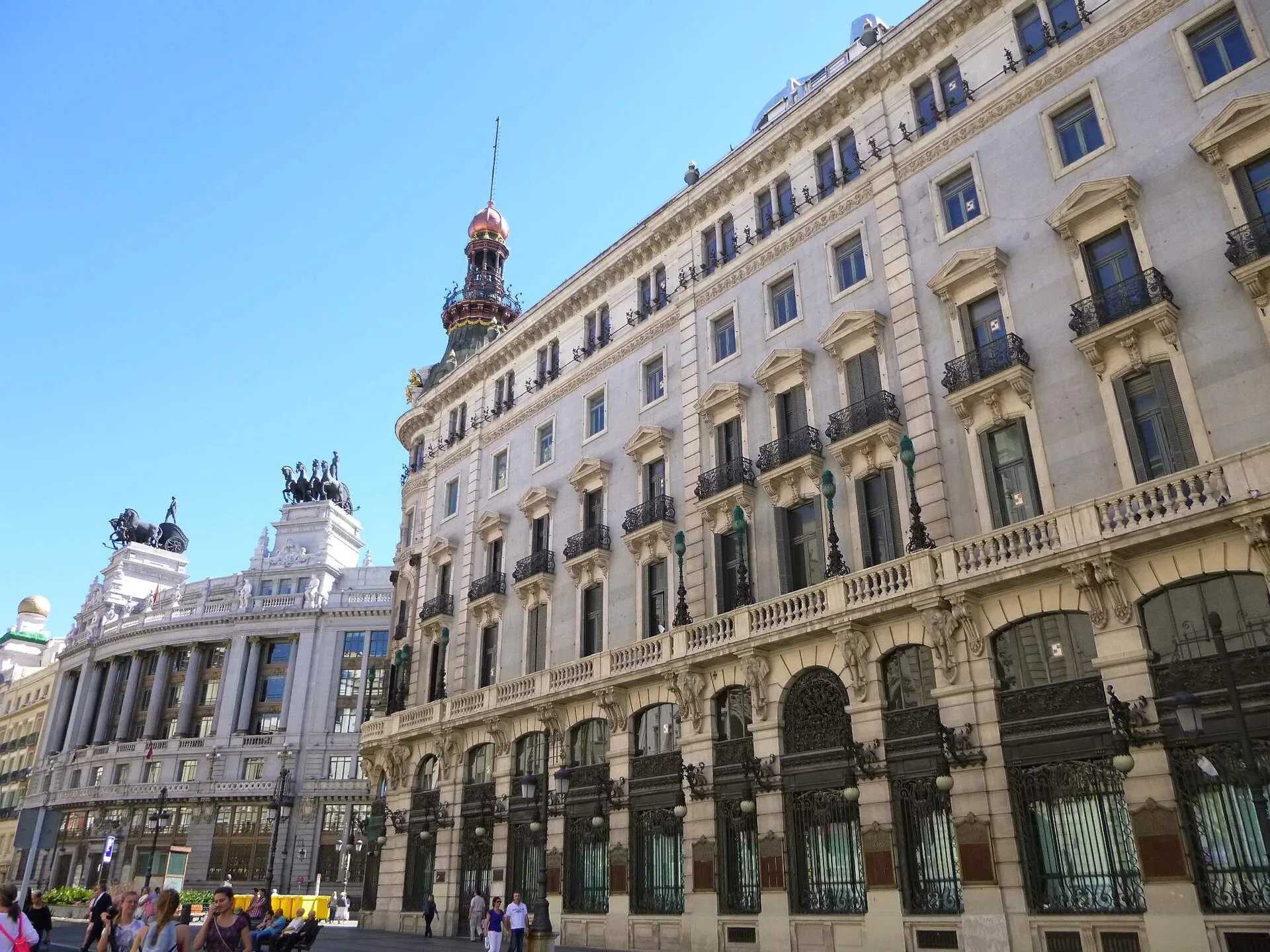
Four Seasons Hotel Madrid
Madrid · $$$$$
Seven restored historic buildings between Puerta del Sol and Barrio de las Letras, with a Martin Brudnizki rooftop and a four-level spa
Rosewood Villa Magna
Madrid · $$$$$
Rosewood's debut in Spain — the storied 1972 Villa Magna on the Paseo de la Castellana, reborn as a residential-style Salamanca retreat with a glazed garden courtyard and Michelin-pedigree dining
Mandarin Oriental Ritz, Madrid
Madrid · $$$$$
The 1910 Ritz reborn under Mandarin Oriental — a Belle Époque palace on the Plaza de la Lealtad with a gilded rotunda, the glass-roofed Palm Court and five Quique Dacosta dining concepts
When to go to Spain
May to June and September to October are the sweet spots almost everywhere — warm, sociable, and free of the July–August peak, when the coast is hottest and busiest and many Spaniards take their own holiday. Ibiza's shoulder seasons (late May, June, September) are exceptional. The interior cities — Madrid, Seville — are best enjoyed in spring and autumn, as high summer can be intense.
Our insider tip for Spain
The pairing our clients love most: three nights in a Madrid palace — the Mandarin Oriental Ritz for grandeur, Rosewood Villa Magna for residential calm — then the Basque coast for the food. In San Sebastián we book Hotel Villa Soro, an 1898 villa in Gros, a few minutes' walk from Zurriola beach. Come in September for the film festival, and book the hotel the moment your dates firm up.
Questions about Spain
Should I book hotels in Spain through a luxury travel advisor?
Yes, and it costs no more: Via Privata books every hotel on this page at the hotel's own published rate, with the benefits confirmed in writing before you commit. When you book Four Seasons through our host agency, Fora Travel, you enjoy the Four Seasons Preferred Partner benefits. Your advisor will be pleased to give you the details. We also book the AVE seats and transfers.
What is the best luxury hotel in Madrid?
The Mandarin Oriental Ritz, Madrid is my first answer: the 1910 Ritz, restored over three years and reopened in April 2021, is the grande dame, facing the Prado. Rosewood Villa Magna, Rosewood's first hotel in Spain (October 2021), offers calm, residential luxury in Salamanca. Brach Madrid, Philippe Starck's design hotel on the Gran Vía, is the characterful newcomer. We have stayed at all three; the reviews are on this site.
Is Madrid or Barcelona better for a luxury trip?
For hotels and art, Madrid now has the edge — its palace cluster and the Prado–Thyssen–Reina Sofía triangle are unmatched in Spain. Barcelona counters with Gaudí, the sea, and the design-led Mandarin Oriental on Passeig de Gràcia. The honest answer is both: the AVE high-speed train connects them in about 2.5 hours, so a week covers the two comfortably.
When is the best time to visit Spain?
April–June and September–October for the cities, when Madrid and Barcelona are warm and sociable without the August heat. The islands and the Costa del Sol run May–October. San Sebastián is loveliest in early autumn and peaks around its September film festival — book restaurants and rooms well ahead for that window.
Is San Sebastián worth adding for the food?
Yes. If food is a reason you travel, it is the reason to come to Spain. The city's tourism board says only Kyoto has a greater concentration of Michelin stars per square kilometre, and the pintxos bars in the old town are as good an evening as the tasting menus. It is a small, walkable, elegant seaside city, and three nights is plenty. We pair it with Madrid or Bilbao.
Ibiza, Mallorca or the Canaries?
Ibiza for summer and a design-led crowd — the north, around Xarraca Bay, is a world away from the clubs. The Canaries for winter sun: they are the only part of Spain reliably warm from November to March, and Tenerife has the best of the resorts. Mallorca sits between the two, greener than Ibiza, with more coastline. Tell us the month first; with Spain's islands, the season decides the island.
How do you get around Spain?
By train, more than people expect. The AVE high-speed network links Madrid to Barcelona, Seville, Málaga and Valencia in roughly two to three hours, city centre to city centre, which beats flying once you count the airports. We book first class and the transfers at either end, and keep flights for the islands. A car only makes sense for Andalusia's white villages or the Basque coast.
Sources
- Mandarin Oriental Ritz, Madrid reopens after a three-year restoration; first opened 1910 (release, 16 Apr 2021)
- Rosewood Villa Magna opens, marking the brand's debut in Spain (Rosewood press release, 22 Oct 2021)
- Hotel Villa Soro: villa built in 1898, Gros, steps from the beach (hotel's own site)
- Villa Soro: built 1898, five-minute walk from Zurriola beach (Great Small Hotels)
- San Sebastián Turismo: only Kyoto has a greater concentration of Michelin stars per square kilometre
- MICHELIN Guide: Marbella Club Hotel, established by Prince Alfonso von Hohenlohe in 1954
- MICHELIN Guide: Brach Madrid - Evok Collection, designed by Philippe Starck, Gran Vía 20
- Four Seasons Hotel Madrid hotel facts: Calle de Sevilla 3, opened September 2020, seven historic buildings
- MICHELIN Guide: Mandarin Oriental Barcelona, guest rooms by Patricia Urquiola, Passeig de Gràcia 38-40
- Six Senses Ibiza opens in Xarraca Bay, on the island's northern tip, from July 2021 (release, 26 Mar 2021)
- La Residencia, A Belmond Hotel: mountainside hideaway in Deià, Mallorca (belmond.com)
- Spain's official tourism board: high-speed train times from Madrid (Barcelona and Seville from 2 h 30 min, Málaga from 2 h 40 min, Valencia from 1 h 50 min)
- San Sebastian International Film Festival: 74th edition, 18-26 September 2026 (festival rules)
- Hospes Palacio del Bailío: buildings of the 16th to 18th centuries in Córdoba's historic centre, Roman vestiges under the glass floor of the central patio (hotel's own site)

Plan Your Journey
Discover Spain with Via Privata
Bespoke itineraries, preferred hotel access, and local expertise — tailored to your travel style.
Enquire NowEnquire Now