Luxury hotels in Bhutan
Insider access and bespoke itineraries, at the hotel's own rate
The Destination
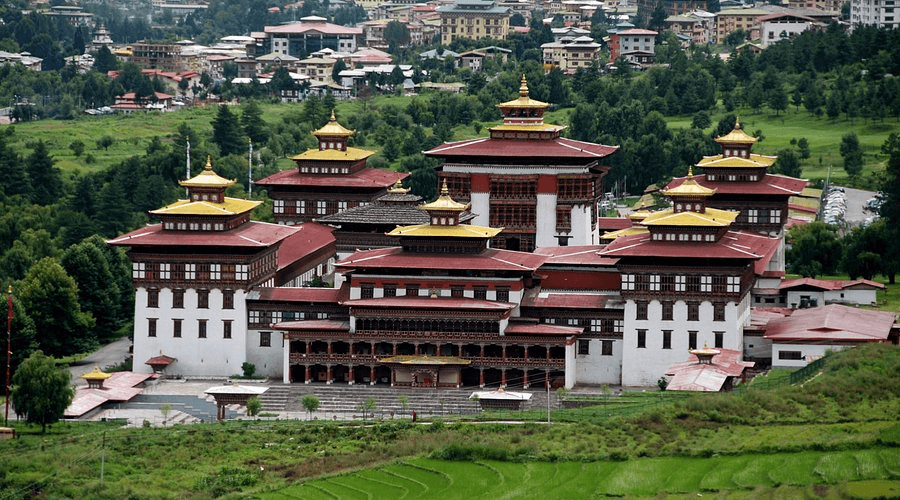
Bhutan is unlike anywhere else on earth — a Himalayan Buddhist kingdom that measures its progress in Gross National Happiness, keeps its forests and monasteries intact, and deliberately caps visitor numbers through a daily levy so that tourism never overwhelms the culture it comes to see. You do not simply visit Bhutan; you are granted access to it, and that scarcity is precisely what makes it one of the most coveted journeys in luxury travel.
The country is best experienced as a circuit through its western and central valleys, and two brands have built five-lodge collections to do exactly that. Amankora links intimate lodges in Thimphu (the capital), Punakha (the balmy old winter seat), Paro (gateway to the Tiger's Nest), Gangtey (the crane valley) and Bumthang (the spiritual heartland) into a single seamless journey. Six Senses Bhutan mirrors the same valleys with a more contemporary, wellness-driven design and its signature spas. Either can anchor a trip; the choice comes down to whether you lean towards Aman's meditative restraint or Six Senses' active wellbeing.
Bhutan is also the destination where an advisor matters most, because independent travel is effectively impossible — visits must be arranged through a licensed operator, with guide, driver and permits included. We build the valley routing, time the Tiger's Nest hike and the festival access, coordinate the internal drives and the single scenic flight into Paro, and secure preferred-partner benefits at both Amankora and Six Senses — at the same rate you would pay booking direct.
Our Recommended Properties
Amankora
Multiple Valleys · $$$$$
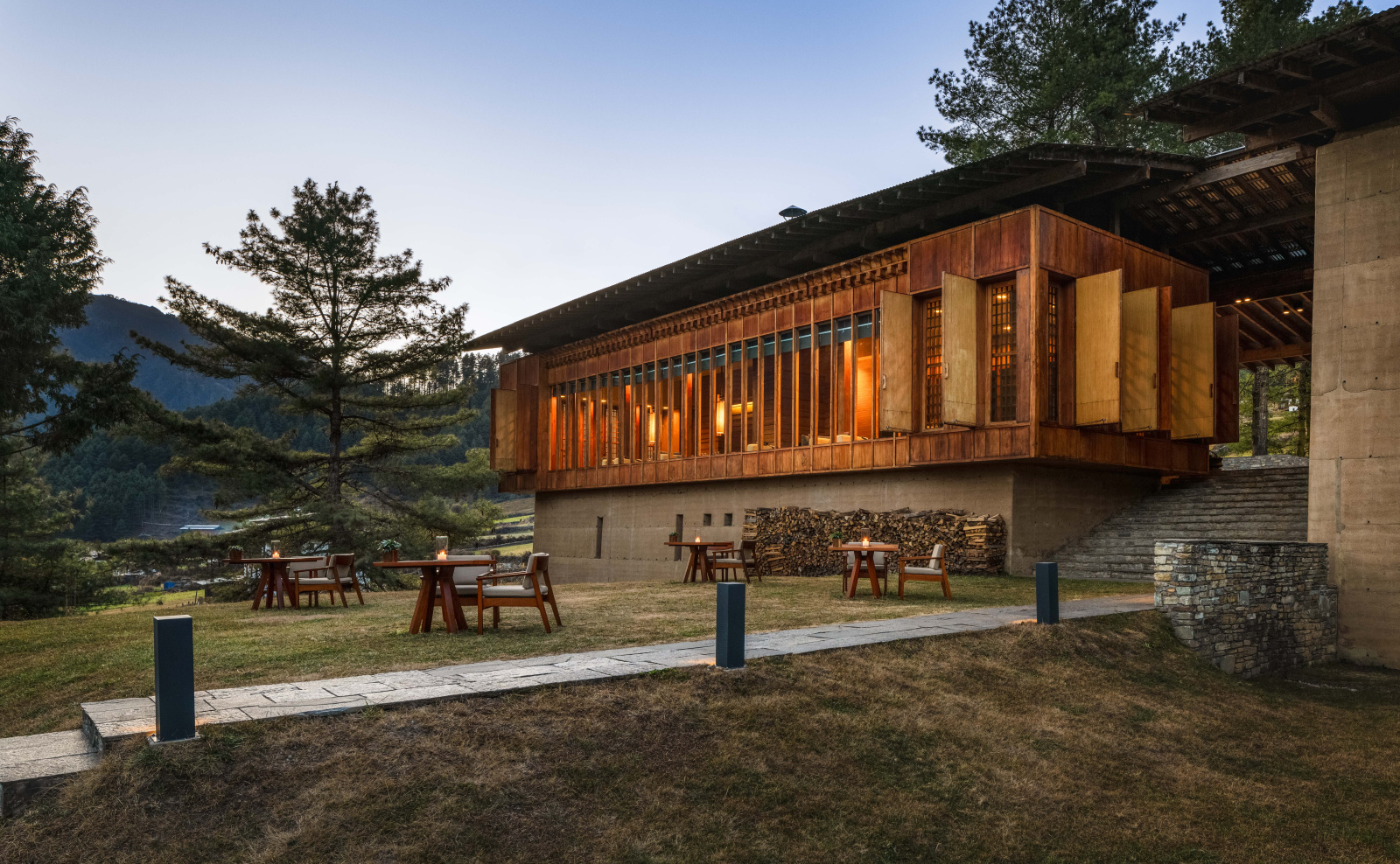
Five intimate lodges across Bhutan's western and central valleys — a journey through a kingdom
Six Senses Bhutan
Multiple Valleys · $$$$$
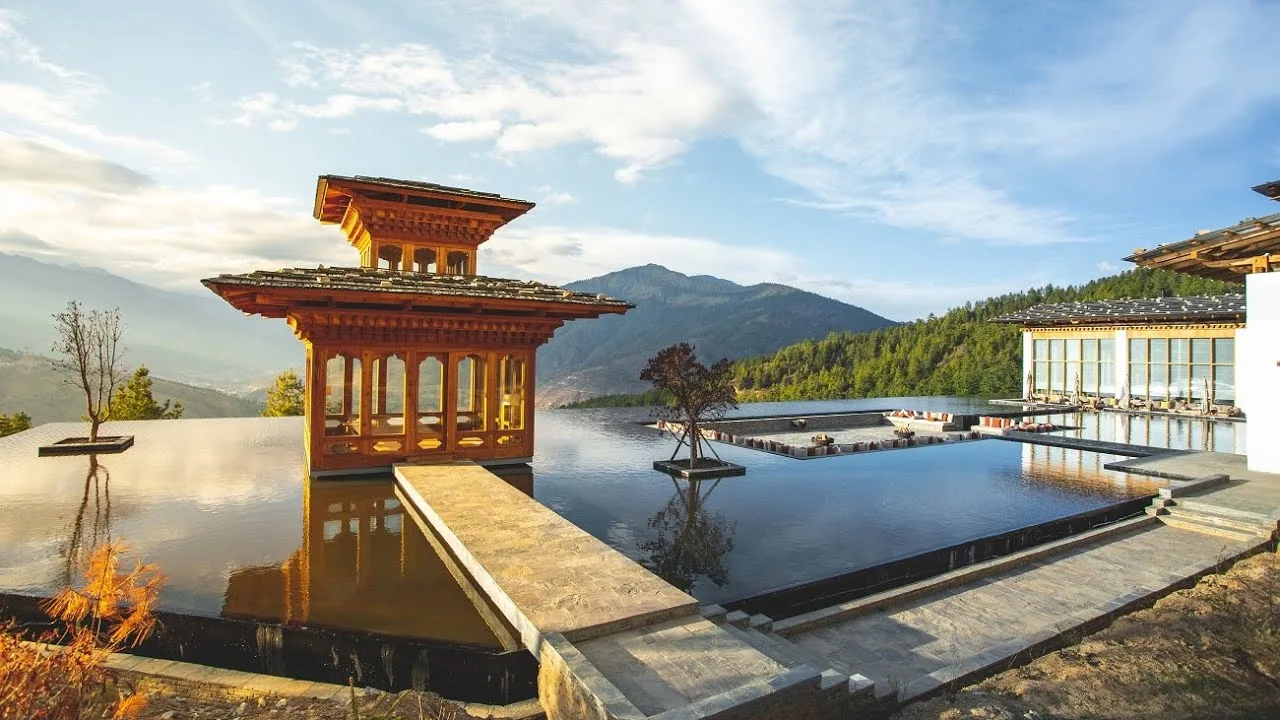
Five Six Senses lodges across Bhutan's valleys (Thimphu, Punakha, Gangtey, Bumthang and Paro), linked by a private guide, driver and vehicle on a bespoke Khamsa, or Royal Stroll
Best Time to Visit
October and November are the prime months — dry, clear air, the best Himalayan views, and ideal conditions for trekking and the autumn festivals. Spring (March to May) is the second great window, when rhododendrons and magnolias colour the hillsides and several of the most important tshechu (masked-dance festivals) take place. The summer monsoon (June to August) brings cloud and rain that can obscure the peaks and disrupt mountain flights, while winter (December to February) is cold but strikingly clear, quiet, and the season the black-necked cranes fill the Phobjikha valley.
Insider Tips
Plan the circuit west to east and build in altitude gently — Paro and Thimphu first, then over the passes to Punakha, Gangtey and Bumthang — so the body adjusts before the higher valleys. Save the Tiger's Nest for near the end, when you are acclimatised, and start the climb at first light to have the monastery in relative quiet. If a spring or autumn tshechu falls within your dates we will build the itinerary around it, and because Paro's single airport handles limited flights, we book the Bhutan air legs the moment your plans firm up.
Frequently Asked
When is the best time to visit Bhutan?
October and November are the finest months — clear skies, the sharpest Himalayan views and prime trekking weather, alongside the autumn festival season. Spring (March to May) is the other great window, with rhododendron blooms and important masked-dance tshechus. The summer monsoon can cloud the peaks, and winter is cold but clear, quiet and best for seeing the black-necked cranes in the Phobjikha valley.
How many days do you need in Bhutan?
Seven nights covers the western valleys — Paro, Thimphu and Punakha — comfortably, including the Tiger's Nest. Ten to fourteen lets you complete the full five-lodge Amankora or Six Senses circuit east to Gangtey and Bumthang, which is the definitive way to see the country. We pace the drives and passes so the altitude is never rushed.
How does travel in Bhutan actually work?
Independent travel is not permitted: every visit runs through a licensed operator with a guide, driver and permits arranged in advance, and a daily fee that funds the country's conservation and keeps numbers low. That structure is exactly why an advisor is essential here — we handle the permits, the valley-by-valley routing, the Paro flights and the lodge bookings so the journey feels effortless.
Is a luxury travel advisor worth it for Bhutan?
More than almost anywhere. Beyond the required operator logistics, you pay the same rate as booking the lodges direct and gain preferred-partner benefits — breakfast, upgrades when available, and resort credits — at Amankora and Six Senses Bhutan. We also secure the festival access, private monastery visits and the best-timed Tiger's Nest hike that turn a trip into the journey of a lifetime.
What are the best luxury hotels in Bhutan?
Two five-lodge collections define the top tier, each linking the same sacred valleys. Amankora is the pioneering choice — serene, minimalist lodges in Thimphu, Punakha, Paro, Gangtey and Bumthang. Six Senses Bhutan is its equal with a warmer, wellness-led design and outstanding spas. The right answer depends on whether you want Aman's stillness or Six Senses' active wellbeing; we hold allocation at both.
From the PrivataList
Plan Your Journey
Discover Bhutan with Via Privata
Bespoke itineraries, preferred hotel access, and local expertise — tailored to your travel style.
Enquire NowEnquire Now