Amalfi Coast
Positano or Ravello, and how to travel a coast built before cars
The Destination
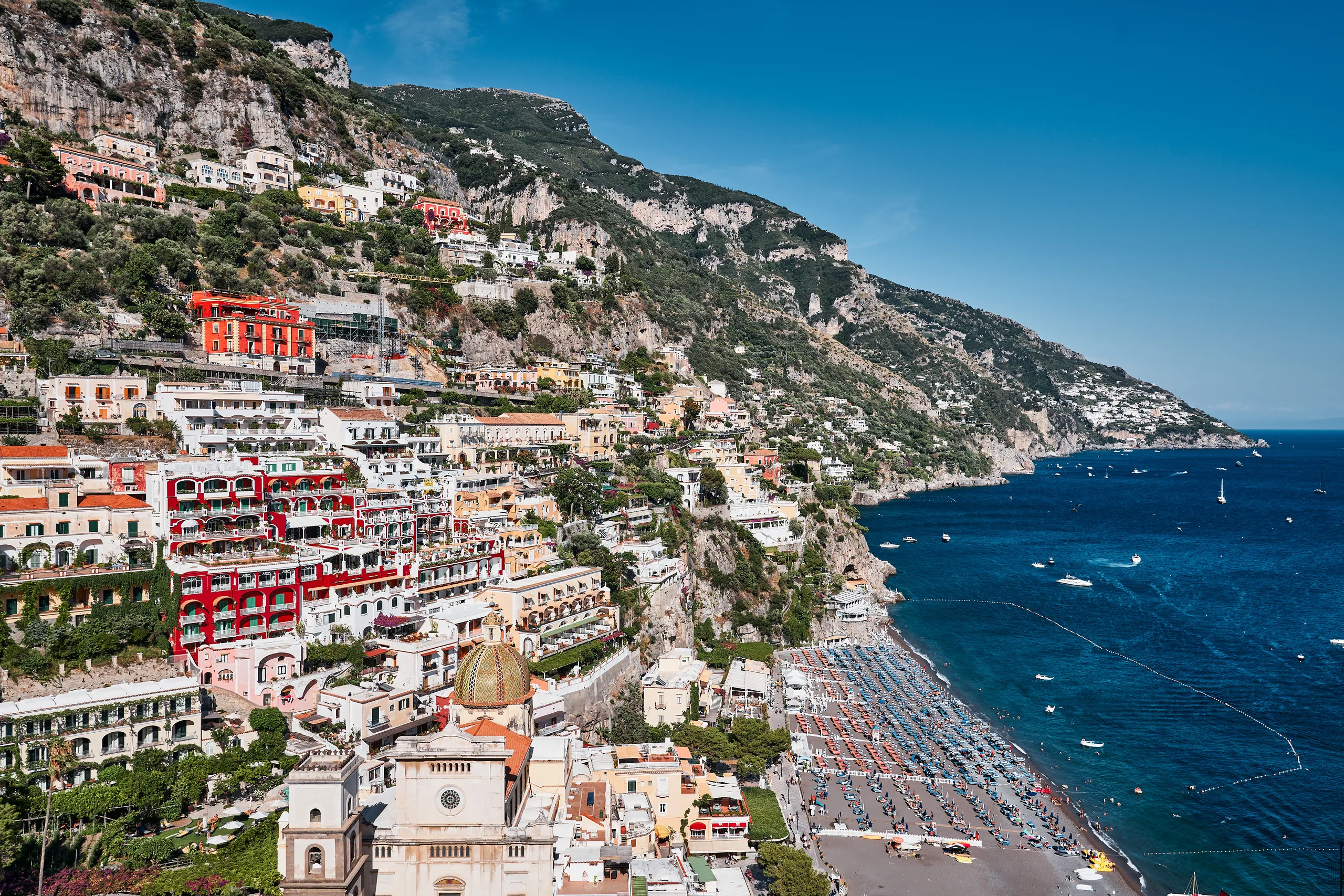
This is the most enquired-about stretch of coastline in Italy, and the one where the gap between the photograph and the trip is widest. The photograph is Positano at golden hour. The trip involves a road that was cut into a cliff long before anyone imagined a coach on it, villages built as staircases, and July afternoons when a few miles of that road can swallow an hour.
None of which is an argument against going. It is an argument for planning it properly, because almost every problem people have here comes from two decisions: where they based themselves, and whether they tried to do it by car. Get those right and the Amalfi Coast is exactly what it looks like.
Below are the three houses we book most, what each one is actually for, and the practical advice we give every client before they commit — which village, which month, and how to move around once you are there. All three we book at the hotel's own rate, with preferred-partner benefits on top.
Where to Stay
Le Sirenuse
Positano — in the village, above the beach
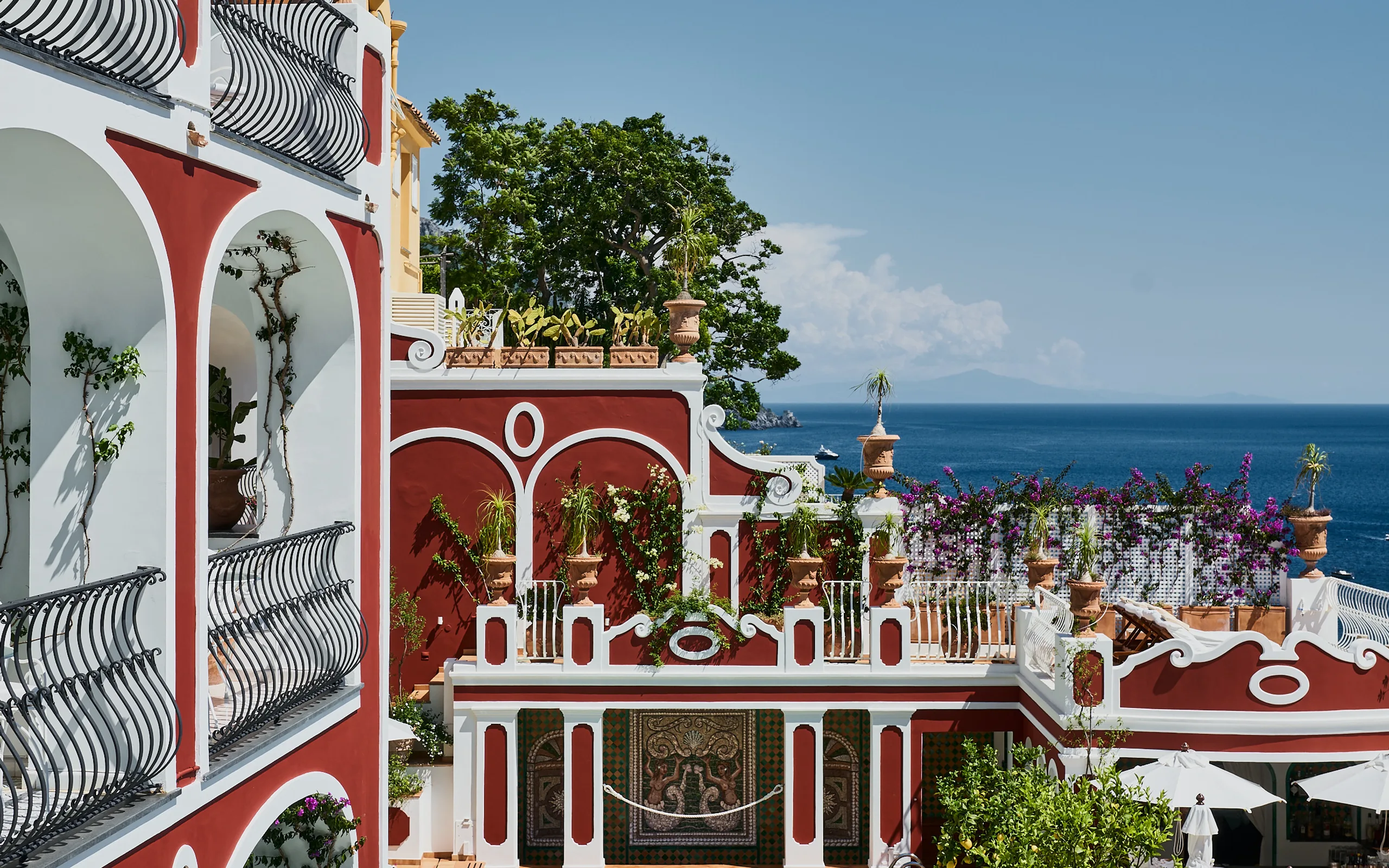
The Sersale family's own villa, opened as an eight-room hotel in 1951 and still the definitive address in Positano
Il San Pietro di Positano
Positano — on the cliff south of town, with its own beach
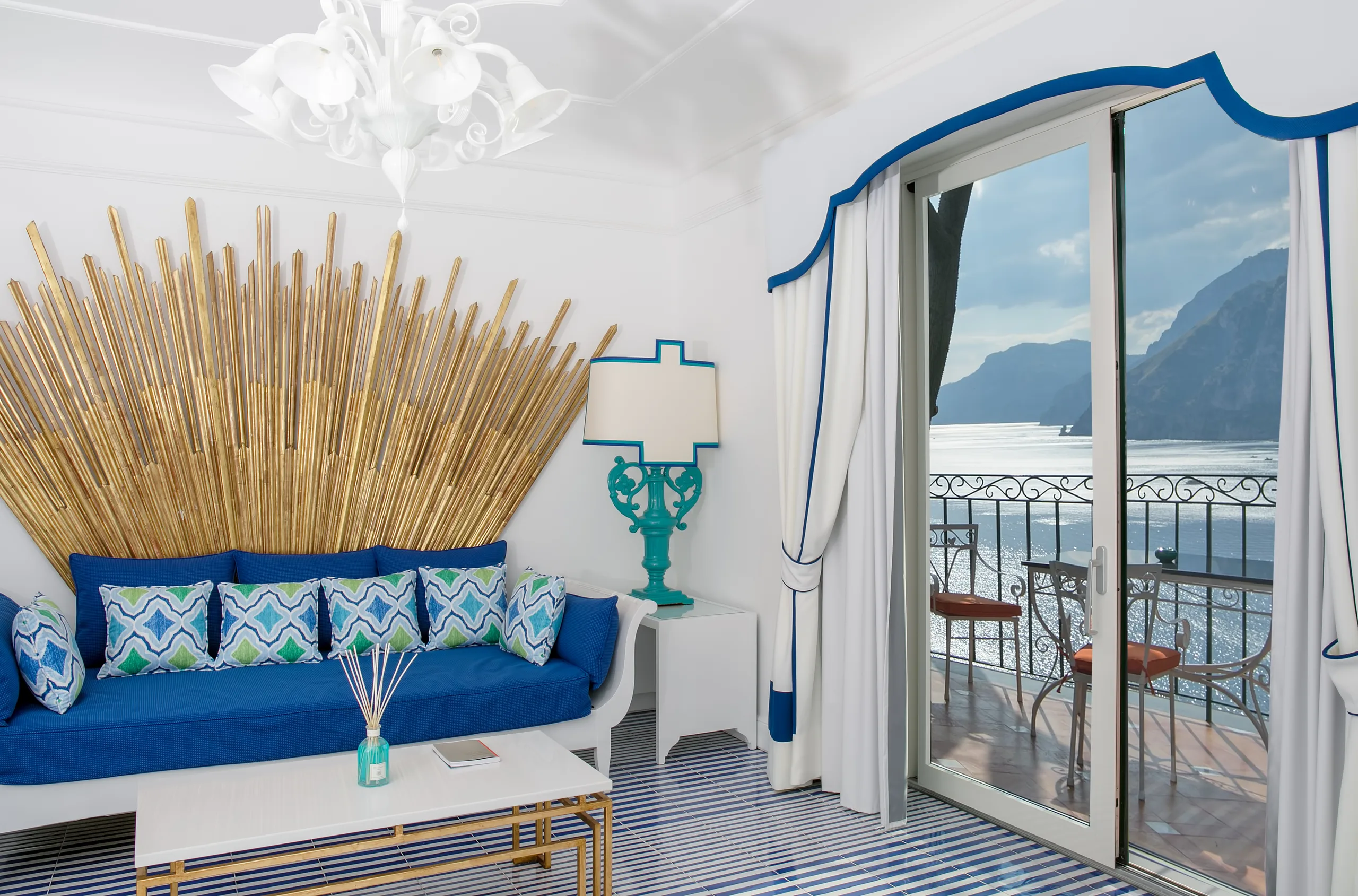
Built into the cliff face south of Positano, with a lift cut through the rock down to its own beach
Palazzo Avino
Ravello — 350 metres above the coast, beach club at sea level
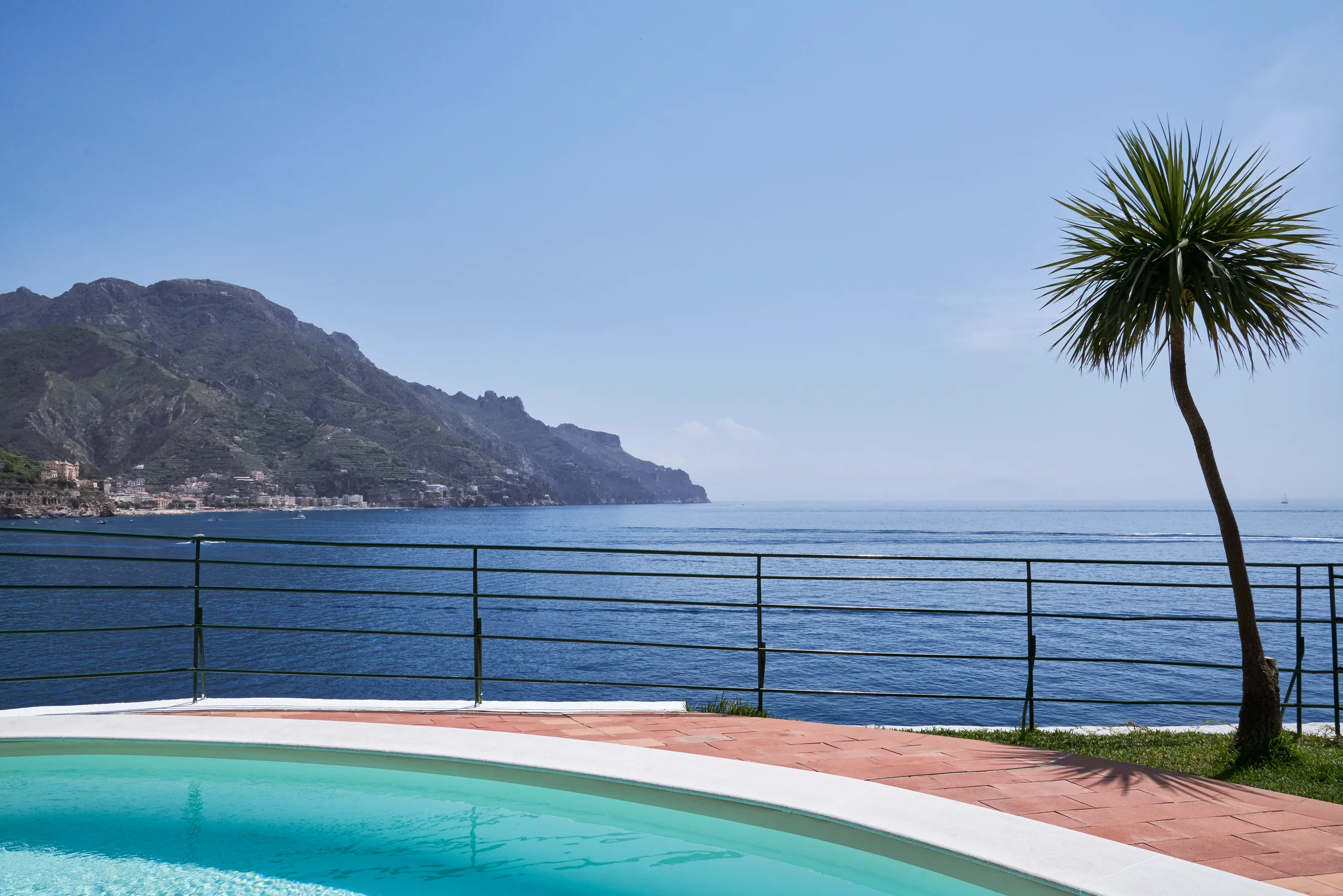
Ravello's Pink Palace — a 12th-century palazzo 350 metres above the coast, with its own beach club at sea level
Reading the Coast
The Amalfi Coast runs about thirty miles along the southern edge of the Sorrentine peninsula, and one road — the SS163 — threads the whole of it. Coming from Naples you pass Sorrento, then Positano, Praiano, Amalfi itself and Salerno at the far end. Ravello sits above Amalfi, reached by a climbing side road.
Positano is the one everyone pictures: pastel houses stacked down a ravine to a grey-sand beach, and the busiest by some distance. Amalfi town is larger, working and less pretty, with a remarkable cathedral. Praiano in between is quieter and increasingly where people go to escape the other two. Ravello is the outlier — up in the air, cooler, with the gardens of Villa Rufolo and Villa Cimbrone and a summer music festival on a stage built out over the drop.
The thing to understand before booking is that these places are close together and slow to travel between. Positano to Ravello is under fifteen miles and can take well over an hour in August. Choose one base and treat the rest as day trips by boat, rather than planning to hop along the coast.
When to Go
May, June and September, in that order of preference. The sea is swimmable from June, the bougainvillea peaks in late spring, and September holds the warmest water of the year while the crowds thin. Most hotels on this coast run roughly April to October and close for winter.
July and August are a different proposition. It is hot, the coast road is at its worst, the beach clubs and the best tables are booked out well ahead, and prices are at their peak. It can still be wonderful — but it is the one time of year we push people toward Ravello, or toward a hotel with its own beach, so that the day does not depend on getting anywhere.
Getting There & Around
Naples is the airport, and roughly an hour and a half by road to Positano when the road is behaving. In season we would rather put you on the water: a transfer to the port at Naples or Sorrento and a boat along the coast to the hotel. It costs more, it takes about the same time, and it turns the worst part of the journey into the best part.
Once you are here, the answer is a driver for the road and a boat for everything else. The SS163 is a magnificent drive and a miserable one to do yourself — single lane, blind bends, coaches that need all of it, and nowhere to park at the other end. A skippered boat for the day opens up Capri, the Li Galli islands off Positano, the coves you cannot reach on foot, and lunch somewhere you would never have got a table by land. That last part is where a good skipper earns the fee.
What the Days Look Like
Most good days here start on a boat and end on a terrace. Capri is close enough for a day and better in the late afternoon once the ferries have taken the crowds home. The Li Galli islands sit just off Positano. Along the coast there are coves with nothing on them at all, which is the real argument for a boat.
On land, Ravello's two garden villas — Rufolo and Cimbrone — are worth the climb from anywhere on the coast, and Cimbrone's terrace is the view that ends up on the wall at home. Walkers should ask about the Path of the Gods, the high trail above Positano, done early before the heat. Pompeii and Herculaneum are an hour or so inland and best with a private guide and an early start. And if you want one properly Italian afternoon, the lemon terraces above Amalfi still work as they always have.
Frequently Asked
Positano or Ravello — which should I stay in?
Positano if you want to be in the middle of it: the village tumbling down to the beach, the boats, the shops, dinner within walking distance. Ravello if you would rather look at all that from above. Ravello sits several hundred metres up, which buys cooler air, real quiet and a view down the whole coastline, at the cost of not being able to stroll to the sea — Palazzo Avino solves that with a shuttle to its own beach club. As a rough rule: first visit, Positano. Second visit, or August, or travelling with anyone who hates crowds, Ravello.
Which is the best hotel on the Amalfi Coast?
Le Sirenuse is the definitive one — the Sersale family's villa since 1951, in the middle of Positano, with Michelin-starred La Sponda and the terrace everyone has already seen a photograph of. Il San Pietro di Positano is the more dramatic and the more private, built down a cliff face south of the village with a lift cut through the rock to its own beach, which solves the single biggest annoyance of this coastline. Palazzo Avino is the Ravello choice, a 12th-century palazzo high above the water with its own club down at sea level. They are three different holidays rather than three versions of the same one.
How do you get to the Amalfi Coast?
Naples is the airport. From there it is roughly an hour and a half by car to Positano, longer in summer when the coast road backs up. The better arrival in season is by water: a private transfer to Sorrento or Naples' port, then a boat straight to the hotel's beach or the village jetty, which skips the road entirely. For anyone prone to car sickness this is not a luxury, it is the difference between arriving relaxed and arriving green.
Do you need a car on the Amalfi Coast?
No, and we would talk you out of one. The SS163 coast road is spectacular and almost entirely unsuited to driving yourself: single lane in each direction, blind hairpins, buses that need the whole road, and parking that ranges from expensive to nonexistent. Use a driver for the road legs and a boat for everything else. Hire a car only if you are continuing inland to Naples, Pompeii or further south.
When is the best time to visit the Amalfi Coast?
May, June and September. The sea is warm enough to swim from June, the bougainvillea is out in late spring, and September gives you the warmest water of the year with a fraction of the crowds. July and August are hot, expensive and very full — the coast road slows to a crawl and the good restaurant tables go weeks ahead. Most hotels here run an April-to-October season and close over winter, so double-check before committing to the shoulders.
How many nights do you need on the Amalfi Coast?
Four is right. Three works but you will spend a chunk of one of them travelling, and the coast rewards a day where you do nothing but swim. It pairs naturally with Rome or Naples at one end, and with Capri, which is a boat ride away and worth a night rather than a day trip if you can manage it.
Can you do the Amalfi Coast with children?
Yes, with a caveat about stairs. Positano is essentially a staircase — beautiful, and punishing with a pushchair or anyone who does not walk well. Il San Pietro's lift through the cliff makes it much easier than most, and Ravello is flatter than it looks once you are up there. Tell us the ages and the mobility and we will match the hotel to it, because on this coast that choice matters more than usual.
Plan Your Journey
Stay on the Amalfi Coast with Via Privata
Same nightly rate as booking direct, with complimentary breakfast, upgrades when available and property credits — plus the boat and the driver.
Enquire Now