Shanghai, China
January 2026
Updated July 2026Waldorf Astoria Shanghai on the Bund Review
By Albina Sharapova, Founder & Travel Advisor
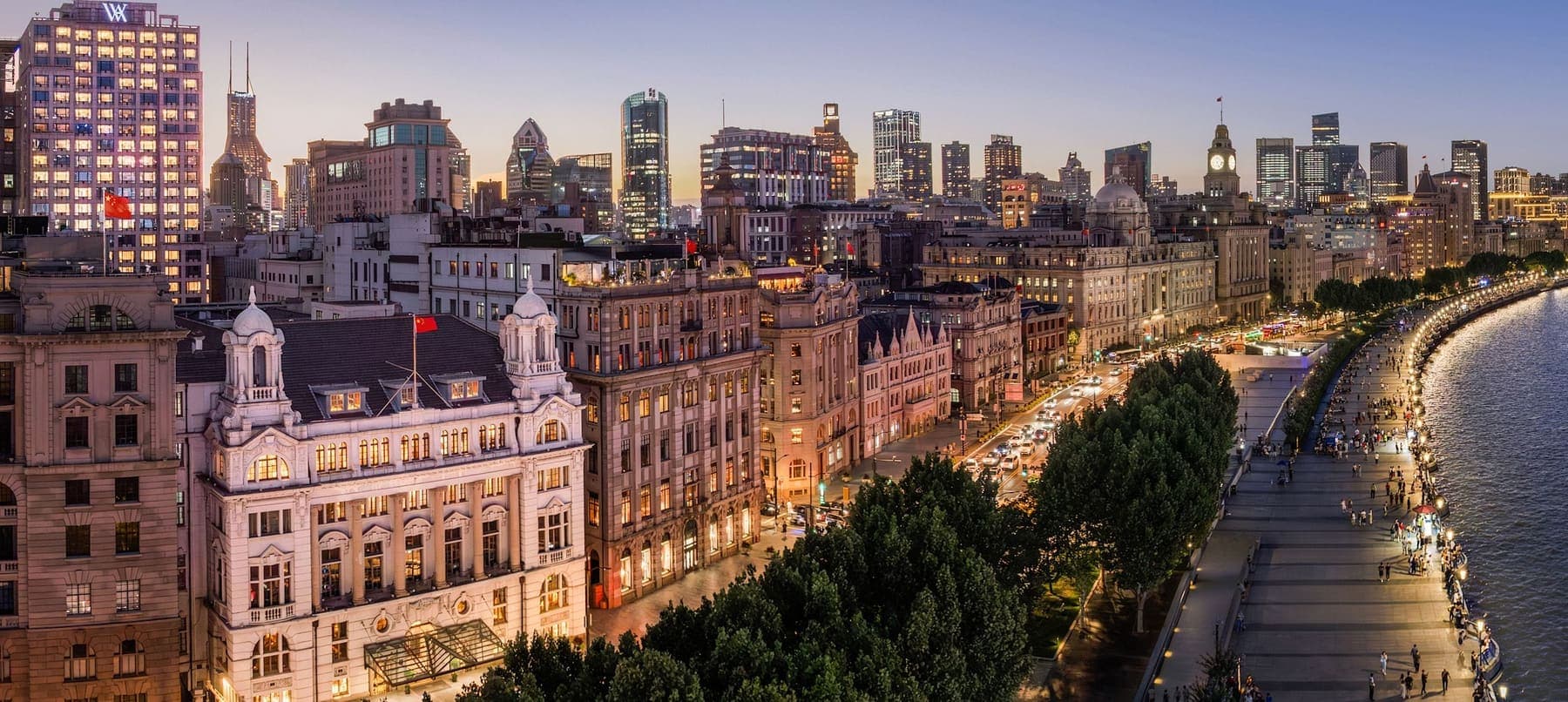
A masterpiece of Art Deco grandeur along the historic Bund, where Shanghai's golden era meets contemporary luxury in one of the city's most iconic heritage buildings.
Check-in & Arrival
We arrived at Waldorf Astoria Shanghai on the Bund after a short transfer from Shanghai Railway Station. The drive is typically around 7–17 minutes depending on traffic, making it a very convenient arrival point if you're coming by train.
Upon arrival, we were immediately escorted to our room to complete the check-in privately — something that feels very typical in Asia, where staff often meet guests at the entrance and handle the formalities in-room. The process was quick and efficient: they took our passports for around five minutes, and the card hold was done directly in the room. From start to finish, the entire check-in took under 10 minutes.
The Room
One of the biggest highlights of this property is that it's set within a historic landmark building, which gives the experience a unique sense of character compared to many modern luxury hotels in Shanghai.
Our room had beautiful skyline views, especially at night when the city really shines. It wasn't a massive or ultra-luxurious room in terms of size, but the combination of location, heritage atmosphere, and classic decoration made it feel special and different from the usual "modern tower" hotel experience.
The Lobby
The lobby is genuinely impressive. It feels almost like stepping into an old European building, with a classic, grand ambiance that contrasts strongly with the modern skyline most people associate with Shanghai.
The hotel also has excellent access points, and being right by the Bund promenade makes it a great base for walking and exploring the city.
Breakfast
Breakfast is served in a massive dining area, accessible either by the stairs from the lobby or directly from your room via the elevator, which is very convenient.
The setting is beautiful, especially with a terrace overlooking greenery, which adds a calmer atmosphere than you might expect in central Shanghai. The buffet is well presented, and the à la carte menu includes the basics — eggs and classic breakfast dishes — but nothing particularly memorable or standout.
Service was generally correct, although it felt inconsistent at times, with a few staff members seeming new or slightly confused when we requested specific items. Since this is a large hotel, breakfast can also feel a bit chaotic during peak hours.
The Restaurants & Bars
The dining offer within the hotel is surprisingly extensive and varied, covering everything from Michelin-starred fine dining to casual all-day options and classic cocktail culture.
Ling Long is the hotel's Michelin-starred restaurant, and unfortunately we couldn't try it during our stay as it was fully booked. If it's on your list, I strongly recommend reserving in advance.
Wai King Kok is where we dined once, and it was excellent. The ambiance is beautiful — intimate, elegant, and traditional — and the food delivered exactly what you'd expect from a high-end Cantonese experience.
Grand Brasserie is the hotel's all-day dining restaurant and also where breakfast takes place. We didn't have time to try it beyond breakfast due to the amount of great dining options available in Shanghai, but it looked consistently busy and popular.
Long Bar and Pink Oyster are presented as a combined bar and lounge experience, with a focus on cocktails and fresh seafood. The Long Bar counter is iconic — around 34 meters long and often marketed as the longest bar in Asia, which adds a real heritage touch to the experience.
Finally, Peacock Alley is the hotel's café and afternoon tea venue — a great place to grab a quick coffee before heading out, in a setting that feels classic and polished.
Conclusion
Waldorf Astoria Shanghai on the Bund was a great stay, but not quite excellent. The historic character of the building and the prime Bund location definitely help offset some weaker points — particularly the inconsistent service and the slightly massified feeling in the common areas, which at times reduced the sense of exclusivity.
Another factor is that many non-guests (mostly locals) appeared to be allowed into the hotel for photo sessions, especially around the heritage spaces. While understandable given the building's iconic status, it made the property feel less private than you would expect at this level.
That said, it's still an excellent base to explore Shanghai, with one of the best locations you can have in the city.
For our next visit, we will likely choose The Peninsula Shanghai, also on the Bund, for a more consistently polished luxury experience.
Destinations